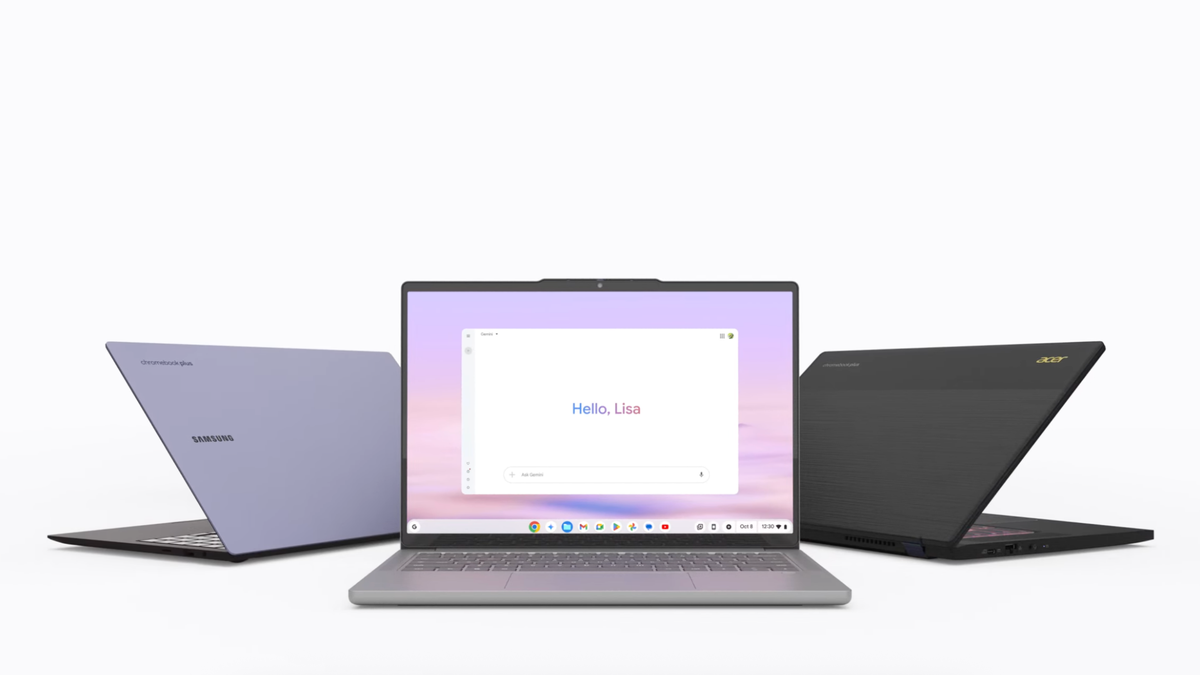
Google may be preparing to close one of the biggest chapters in its software history, as new evidence suggests the company is getting ready to replace ChromeOS with an Android-based desktop platform known as Aluminium OS. The surprising development surfaced after a now-removed job listing revealed extensive details about Google’s next-generation operating system, its capabilities, and its long-term roadmap.
Aluminium OS: Google’s New AI-Powered Desktop Platform
The job listing, first spotted by Android Authority, described Aluminium OS as a “new operating system built with Artificial Intelligence at the core.” Though the listing is offline, the details were clear enough to confirm Google’s direction: Aluminium OS will be based on Android, designed for laptops, detachables, tablets, smart boxes, and future hybrid devices.
Its name also fits Google’s long-standing pattern. Aluminium uses British spelling, mirroring Chromium — the open-source browser foundation behind Chrome and ChromeOS. According to the listing, Google also uses the internal identifier ALOS, short for ALuminium Operating System.
For years, the company has hinted at the possibility of merging Android and ChromeOS, and Aluminium OS may finally be the unified platform Google has been building toward.
ChromeOS Will Continue — But Not Forever
Despite the anticipation around Aluminium OS, the listing made it clear that ChromeOS is not disappearing immediately. Google plans a transitional period where both systems will coexist across different price tiers and device categories. Laptops, detachable PCs, compact computing boxes, and tablets will continue running ChromeOS even as Aluminium OS rolls out on select hardware.
However, Google explicitly revealed its long-term intention: the new senior product manager will be tasked with designing a roadmap to transition Google from ChromeOS to Aluminium. That means ChromeOS will eventually join the infamous Google Graveyard — the unofficial collection of discontinued Google products like Stadia, Inbox, Google+, and Project Ara.
This marks the strongest evidence yet that Google is preparing to sunset ChromeOS after more than a decade powering Chromebooks worldwide.
A Unified OS for Google’s Next Hardware Wave
Google has not yet confirmed which devices will launch with Aluminium OS, but industry insiders expect the new system to target the same markets as Apple’s MacBook Air, iPad, and Windows-based ultrabooks. Earlier this year, Sameer Samat, Google’s head of the Android ecosystem, confirmed that a combined Android–ChromeOS platform is planned for release next year.
The timing is interesting. With Microsoft facing backlash over Windows Copilot and rising concerns about AI integration on PCs, Google may be positioning Aluminium OS as a fresh alternative built around Gemini AI from day one. If executed well, the system could challenge Windows’ dominance in consumer laptops.
What Aluminium OS Means for Users and Developers
A unified Android-based desktop OS could finally bring the seamless app experience users have wanted for years. The success of Aluminium OS will depend on whether it supports the vast catalog of Android apps without the compromises seen on ChromeOS. Developers may gain access to a more consistent environment, reducing fragmentation across desktop and mobile devices.
For consumers, the biggest question is simple: Will Aluminium OS feel like a true desktop operating system?
If Google can deliver performance, flexibility, and productivity comparable to Windows and macOS, it could reshape the PC landscape.
A Pivotal Moment for Google’s Desktop Ambitions
The reveal of Aluminium OS marks one of Google’s boldest moves in the PC market. While ChromeOS carved out a niche in education and budget laptops, Aluminium OS may be the company’s attempt to stake a claim in mainstream consumer computing.
With AI-first architecture, cross-device compatibility, and the power of the Android ecosystem, Aluminium OS could become the most significant challenge Microsoft has faced in years.