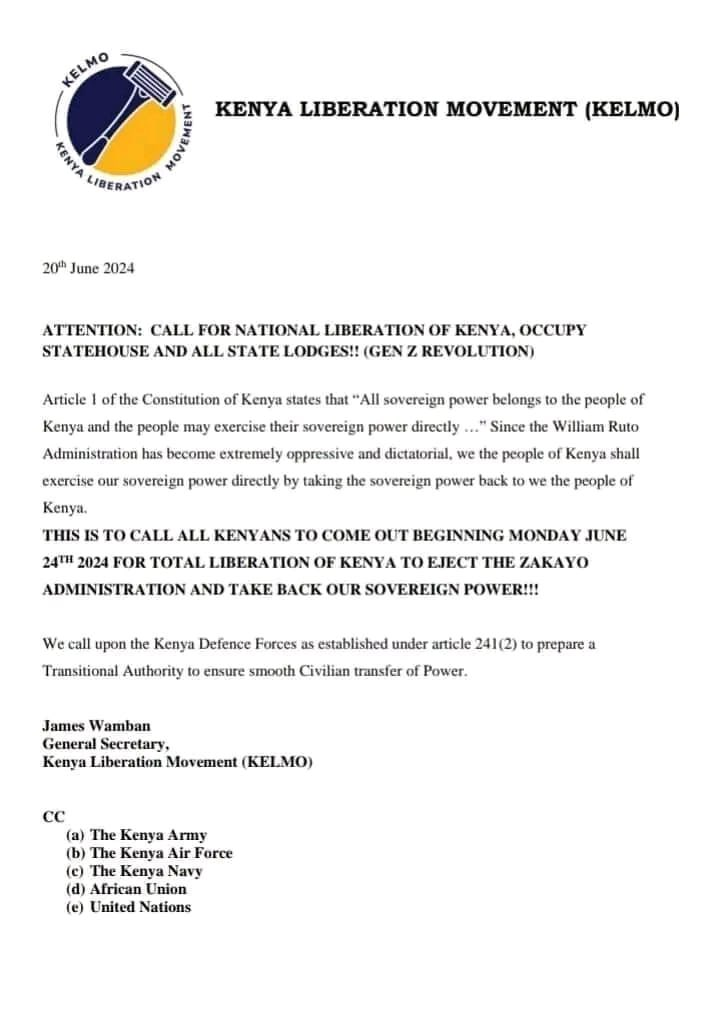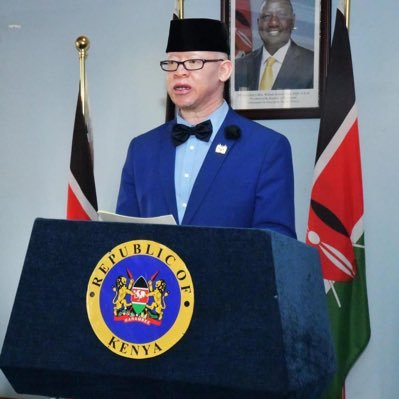
Nairobi, Kenya – Government Spokesperson Isaac Mwaura recently ignited a controversial debate by claiming that foreign powers are influencing the ongoing protests in Kenya due to President William Ruto’s foreign policy positions, particularly towards Russia and dedollarization. According to Mwaura, these external forces may be channeling funds to support the demonstrations, particularly those led by Gen-Z activists who have been vocal against the Finance Bill.
Mwaura’s statements come at a time when Kenya is witnessing significant political unrest, with the public expressing strong dissent against the Finance Bill which critics argue imposes unfair economic burdens on the citizenry. The suggestion that these protests might have international backing adds a complex layer to the discourse, suggesting geopolitical influences at play.
The government’s claim points to a broader narrative where global politics intersect with local grievances. President Ruto’s stance on Russia and dedollarization, aiming to reduce reliance on the US dollar in international trade, is portrayed by some as a sovereign maneuver to enhance Kenya’s economic independence. However, these policies might have inadvertently positioned Kenya within a larger geopolitical contest, drawing reactions that extend beyond its borders.
Critics of the government view Mwaura’s claims with skepticism, suggesting that these allegations are a tactic to delegitimize the protests by portraying them as externally orchestrated rather than a genuine domestic response to policy dissatisfaction. This perspective is shared by various political analysts who argue that framing the protests as foreign-influenced might be an attempt to undermine the protestors’ credibility and distract from the real issues at hand.
The international community has yet to respond to these allegations, but the claim has certainly stirred discussions on the influence of foreign powers in national politics. It raises important questions about the extent to which international relations impact domestic policy and public response.
As Kenya continues to navigate these turbulent political waters, the truth behind these allegations remains a critical point of inquiry. It underscores the need for transparency in government dealings and the importance of safeguarding national discourse from becoming a proxy arena for international conflicts.
This development calls for a careful examination of the motivations behind the protests and the legitimacy of claims regarding foreign interference. It also serves as a reminder of the intricate connections between local political dynamics and global strategic interests.