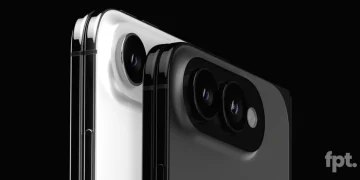
Apple has officially begun foldable iPhone prototype testing, signaling its most serious move yet toward launching a foldable iPhone. According to sources familiar with the matter, the device has entered the Prototype 1 (P1) phase, marking the first major internal hardware test stage.
Design: Dual Screens, Book-Style Fold
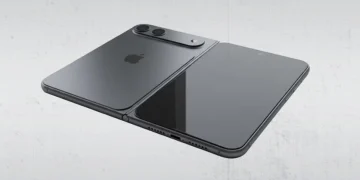
The foldable iPhone reportedly features a book-style fold with two main displays. When unfolded, the internal screen will measure around 7.6 to 7.8 inches, giving users a tablet-like experience. When folded, the outer display is expected to be between 5.4 and 5.6 inches, allowing full usability even when closed.
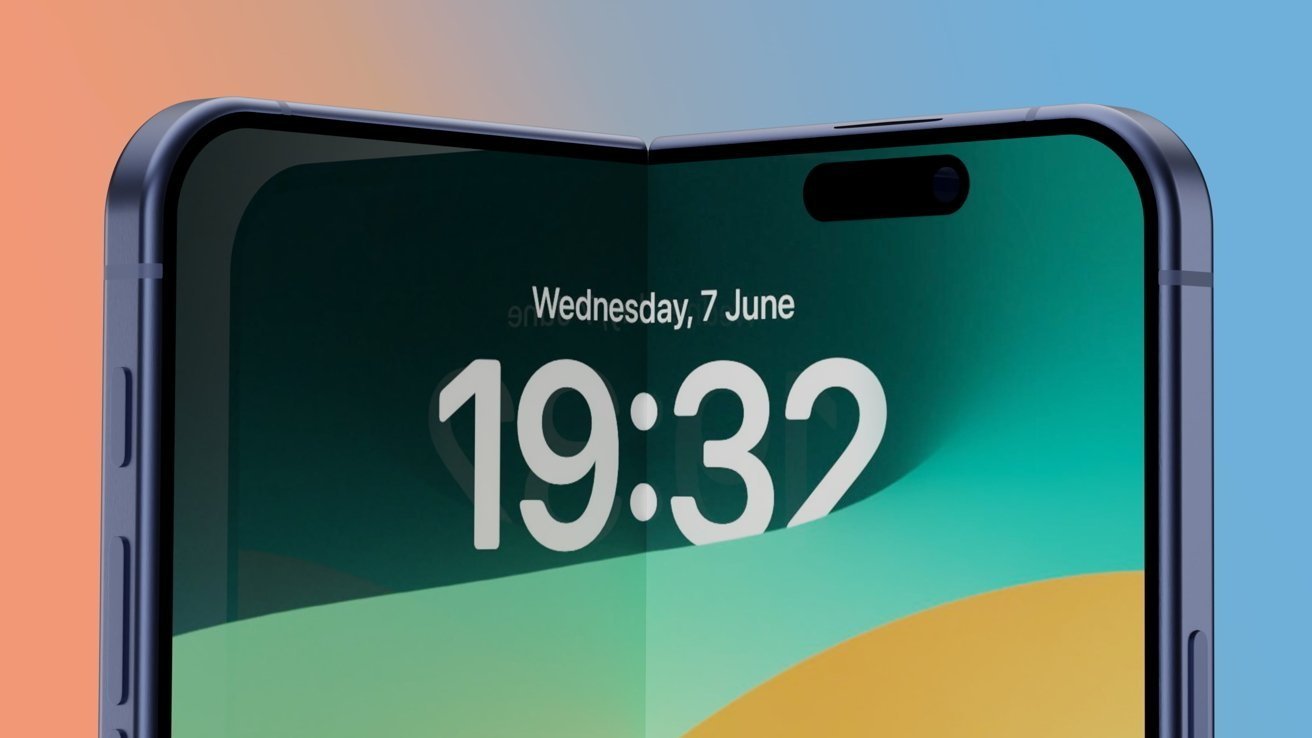
Apple is said to be working on minimizing the screen crease, a challenge common in current foldable devices. Samsung is rumored to be supplying Apple with custom OLED panels optimized for this new form factor.
Build Materials and Hinge Innovations
To enhance durability without making the device bulky, Apple is reportedly experimenting with titanium and amorphous alloys for the hinge system. These materials promise higher strength-to-weight ratios and improved folding reliability.
Apple is also considering an under-display camera for a cleaner design and may forego Face ID for a side-mounted Touch ID, due to constraints imposed by the foldable design.
Production Timeline and Market Positioning
Though the prototype is being tested now, full production is still a long way off. After the P1 stage, the foldable iPhone will need to pass Engineering Validation Testing (EVT), Design Validation (DVT), and Production Validation Testing (PVT) before mass production begins.
A potential launch is expected in late 2026, likely coinciding with the iPhone 18 series. Analysts expect the price to fall between $2,000 and $2,500, positioning it as a premium device targeting early adopters and tech enthusiasts.
Apple’s Late Entry Strategy
By entering the foldable market later than Samsung and Huawei, Apple seems determined to perfect the user experience and avoid early design failures. Shipment forecasts suggest Apple could manufacture 3 to 7 million units within the first few years, depending on consumer demand.
If development stays on track, the foldable iPhone could become one of the most innovative and high-end products in Apple’s lineup by the end of 2026.