Since independence, Kenya’s football journey has been shaped by diverse individuals who served as presidents of the Football Kenya Federation (FKF) and its predecessor, the Kenya Football Association (KFA). From visionary pioneers to controversial figures, these leaders defined Kenyan football’s triumphs and turmoil.
This is a definitive guide to the FKF presidents since 1963.
1963 – Isaac Lugonzo
Founder chairman of the KFA, Lugonzo was a respected referee who officiated in the 1962 AFCON. He launched Kenya’s first nationwide league and later became Nairobi Mayor and a founding member of the Supreme Council of Sport in Africa.
1964 – John Kasyoka
A national athlete, Kasyoka’s tenure saw the rise of AFC Leopards and Gor Mahia. He later chaired the Kenya Olympic Association (1971–78), promoting Kenya’s global sports participation.
1970 – Martin Shikuku
A firebrand politician, his short reign was marred by suspensions, controversy, and the dissolution of KFA following CECAFA failures. Parliament probed his term over corruption allegations.
1971 – Bill Martin (Caretaker)
As Nairobi Provincial Commissioner, he held the caretaker role during leadership transition until formal elections were held.
1973 – William Humphrey Ngaah
A Kenya Railways officer, Ngaah beat Matiba for chairmanship but was ousted in 1974 by Dan Owino amid factional disputes.
1974 – Dan Owino
His administration targeted Gor Mahia, stirring division. Minister Matano dissolved KFA under his watch over alleged mismanagement.
1974 (Post-dissolution) – Chris Obure
Appointed via the Kenya National Sports Council. Obure restructured football administration, paving way for later stability.
1976 – Kenneth Matiba
A visionary, he founded the Kenya Football Federation (KFF) after splitting from KFA. He professionalized the sport and created Kenya Breweries FC, then left in 1978 for politics.
1978 – Clement Gachanja
Known for stability, his tenure saw Kenya win CECAFA three times and clubs dominate regional competitions. Criticized for limited international foresight.
1984–1991, 1993–1996 – Job Omino
A former player and MP, Omino led Kenya to three AFCONs and the All Africa Games final. Gor Mahia won a continental title under his leadership. His clashes with the Moi regime limited further progress.
1992 – Mathew Adams Karauri (Caretaker)
Stepped in post-Omino. Hired Gerry Saurer as coach, whose tenure was controversial. However, his youth recruitment boosted Kenya’s 1991 U20 team.
1996–2000 – Peter Kenneth
Introduced professionalism with title sponsors like BAT and KBL. His departure saw the return of factionalism.
2001–2004 – Maina Kariuki
Promised reform but was marred by scandals, including missing gate collections. Defied calls for accountability, leading to decline in public trust.
2004–2006 – Alfred Sambu
AFC Leopards veteran, Sambu was plagued by health issues and power struggles. FIFA replaced him with Hatimy in 2007.
2007–2011 – Mohamed Hatimy
FIFA-backed caretaker under Football Kenya Limited. Struggled with legal disputes, poor national team results, and inability to unite the football factions.
2011–2016 – Sam Nyamweya
Controversial leader who oversaw parallel KFF and FKL leagues. Ended grassroots programs like Sakata Ball due to demands for sponsorship cuts. Won unified FKF elections in 2011.
2016–2023 – Nick Mwendwa
Owner of Kariobangi Sharks, Mwendwa introduced youth initiatives and won re-election in 2020. His tenure faced legal troubles, including multimillion-shilling lawsuits over coach dismissals.
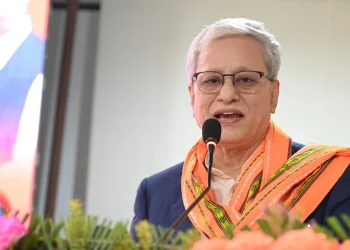
2023–Present – Hussein Mohammed
Took office in October 2023. A former FKF official with global experience, Hussein focuses on:
- Restoring financial transparency
- Launching coach/physio programs
- Enforcing CAF/FIFA compliance
- Strengthening grassroots football
Conclusion
The journey of FKF presidents since 1963 is a reflection of Kenya’s football evolution, shaped by politics, passion, and persistence. From Lugonzo’s foundations to Hussein Mohammed’s reforms, each leader helped write the complex history of the game. As the federation looks ahead, this legacy reminds us that leadership off the pitch is as crucial as performance on it.