Faroe Islands banks form the backbone of a small but highly stable financial system. Despite the territory’s limited population, these banks support key industries and ensure smooth economic activity across the islands.
Positioned in the North Atlantic, the Faroe Islands rely on a concentrated banking sector. These institutions provide retail, corporate, and public financial services while supporting fisheries, trade, and local enterprises.
1. Landsbanki Føroya
Landsbanki Føroya operates as the government’s financial institution. It manages public funds and plays a central role in maintaining financial stability.
The bank focuses on treasury services, government financing, and liquidity management. Unlike commercial institutions, it does not serve retail customers. Instead, it ensures that public finances remain efficient and transparent.
Its strategic role makes it essential for economic planning and fiscal policy execution.
2. BankNordik
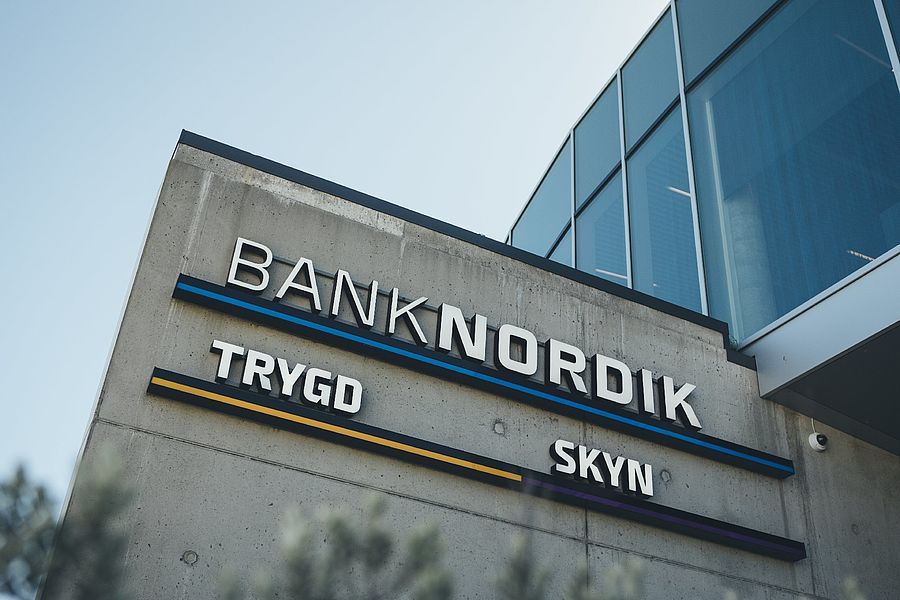
BankNordik ranks among the most prominent Faroe Islands banks. Founded in 1906, it has expanded beyond the islands into broader Nordic markets.
The bank offers a wide range of services, including retail banking, corporate lending, insurance, and digital solutions. Its digital platforms allow customers to manage finances with ease.
BankNordik stands out for its scale and innovation. It plays a major role in financing businesses, especially in the fisheries and maritime sectors.
3. Eik Banki
Eik Banki is a key commercial institution within Faroe Islands banks. It focuses on serving individuals and small businesses.
The bank provides loans, savings accounts, and investment products tailored to local needs. It maintains strong relationships with SMEs, which drive much of the economy.
Its strength lies in its customer-centric approach. By understanding local markets, it delivers practical financial solutions.
4. Norðoya Sparikassi
Norðoya Sparikassi operates as a regional savings bank in the northern islands. It emphasizes accessibility and community engagement.
The institution offers essential banking services such as deposits and personal loans. While it has limited international connectivity, it remains vital for local residents.
Its competitive advantage lies in its close community ties. This approach ensures that smaller populations receive reliable financial services.
5. Suðuroyar Sparikassi
Suðuroyar Sparikassi serves the southern region of the Faroe Islands. It focuses on delivering accessible banking services to local communities.
The bank provides savings products, loans, and financial guidance. It supports households and small businesses in less populated areas.
Its regional focus ensures financial inclusion. As a result, it plays a crucial role in maintaining economic balance across the islands.
What Makes a Bank the Best
Faroe Islands banks succeed because they combine stability with adaptability. Financial strength remains the foundation, ensuring resilience during economic shifts.
Digital innovation also shapes competitiveness. Banks that invest in online platforms improve customer experience. At the same time, strong customer service builds trust, especially in smaller communities.
Loan accessibility further defines quality. Banks that support SMEs and individuals contribute directly to economic growth.
Analysis of the Banking Sector
The Faroe Islands banking sector reflects wider Nordic trends. Digital banking continues to grow, making financial services more accessible. At the same time, fintech innovations are slowly entering the market.
However, traditional banks still dominate. Their deep local knowledge and strong capital positions give them a clear advantage. The sector remains concentrated, with only a few key players controlling most activities.
Regional integration also plays a role. Faroese banks maintain close ties with Danish and Nordic systems, ensuring stability and cross-border efficiency.
Why This Matters
Faroe Islands banks support economic resilience by enabling trade, financing businesses, and providing financial security to households across the islands.
What Happens Next
The future of Faroe Islands banks will likely focus on digital transformation. Institutions will invest more in fintech and automation to stay competitive.
At the same time, maintaining strong local relationships will remain essential. Banks must balance innovation with trust to succeed in a changing financial landscape.
Conclusion
Faroe Islands banks may be few, but they form a strong and reliable financial system. Their role in supporting economic growth remains vital.
As the sector evolves, these institutions will continue adapting to new technologies while preserving their close connection to local communities.