As Mac computers continue to hold a significant share of the personal computer market, the need for accessing macOS for various purposes remains strong. However, purchasing a Mac can be an expensive proposition, particularly if you need it for short-term projects or specific tasks. This is where renting a Mac in the cloud becomes a viable and cost-effective alternative.
Why Choose Cloud-Based Mac Rentals?
- Flexibility for Developers: Developers who need to test applications across different hardware versions and macOS releases benefit immensely from cloud-based Macs. Instead of buying multiple machines, developers can access various configurations in the cloud to ensure their software performs well across all supported environments.
- Preloaded Development Tools: Most cloud Macs come equipped with common development tools, simplifying the setup process for software testing and development. Users must provide their own software licenses, but the pre-installed tools significantly reduce the initial overhead.
- Access to Older macOS Versions: For users who need to run applications that only support older macOS versions, renting a cloud-based Mac offers a perfect solution. It eliminates the need for physical hardware that might be out of support or difficult to maintain.
- Trial the Mac Experience: For individuals curious about the Mac ecosystem but hesitant to invest in physical hardware, cloud rentals offer a hands-on experience without the full commitment of purchasing a device.
How Does Mac Rental Work?
Renting a Mac in the cloud is straightforward. Companies that provide this service host Macs in data centers, allowing users to access these machines remotely. Depending on your needs, you can opt for a bare metal Mac, which allocates a physical machine to your use, or a virtualized Mac, which is less expensive and offers the flexibility of virtual machines.
Users can choose from various rental plans, including pay-as-you-go options which are ideal for short-term needs. Managed services are also available for those who prefer not to handle administrative tasks associated with maintaining a Mac.
Personal Experience with Mac In Cloud
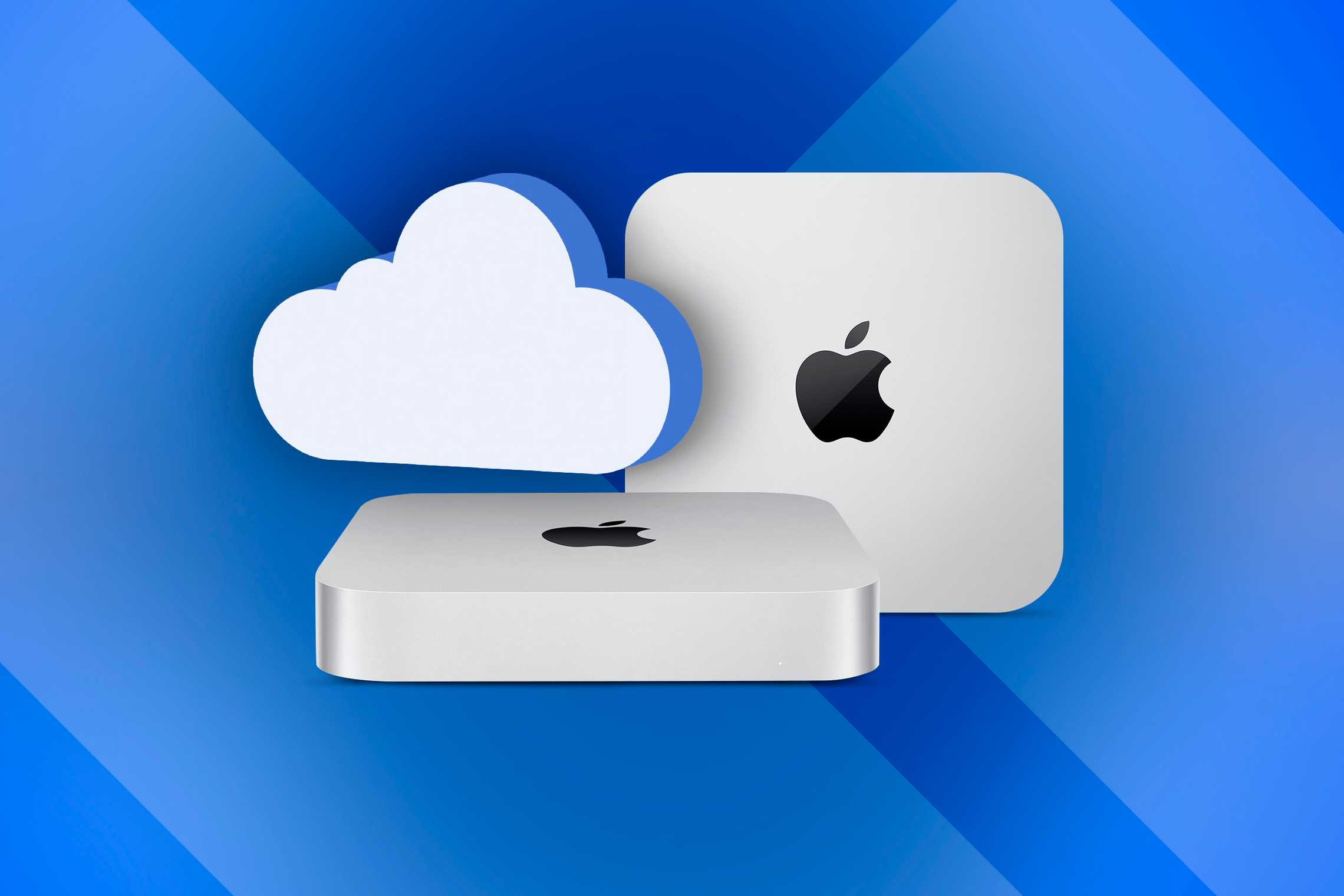
To understand the process better, I experimented with a service called Mac In Cloud. For about $30 a month, I rented a managed server with access to an M2 Mac Mini. The service was user-friendly, providing login credentials and detailed instructions for accessing the Mac through dedicated remote desktop software or a web interface.
The performance of the cloud Mac depends significantly on proximity to the data center and the quality of your internet connection. While the web interface was somewhat laggy, using a dedicated remote desktop client offered a smoother experience, closer to that of using a local Mac.
Conclusion
Renting a Mac in the cloud is an efficient solution for both developers and regular users who need temporary access to macOS. It offers the flexibility to test software, explore older macOS versions, or simply experience the Mac environment without the high upfront cost of purchasing a Mac. Whether for professional development tasks or personal exploration, cloud-based Mac rentals provide a practical alternative to owning physical hardware.