The Energy and Petroleum Regulatory Authority (EPRA) has unveiled plans to implement maximum retail prices for cooking gas starting October 2025. This initiative is designed to shield consumers from the fluctuations in market prices and ensure fair pricing within the gas industry. EPRA’s announcement comes as part of the broader strategy to regulate the sector and promote greater transparency.
EPRA’s Strategy for Stabilizing Gas Prices
In a statement on Thursday, August 21, 2025, EPRA Director Daniel Kiptoo emphasized that the new pricing structure would help stabilize the market. He confirmed that the legal and regulatory frameworks are already in place and that consultations with various stakeholders are underway to ensure the smooth implementation of the plan.
Key Features of the Plan:
- Maximum Retail Prices: EPRA aims to set a ceiling on the prices at which cooking gas is sold, preventing unscrupulous price hikes.
- Centralized Importation System: The plan includes the creation of central facilities for gas imports, which should help lower overall costs.
- Open Tender System (OTS): The introduction of OTS will allow companies to compete for the best prices through competitive bidding, with the lowest bids winning contracts for imports.
Impact on Oil Marketing Companies
EPRA’s plan requires Oil Marketing Companies to sign agreements under the Open Tender System (OTS). The goal is to foster competition, ensuring that consumers benefit from the most competitive prices available in the market. The OTS agreement will apply to both cooking gas and potentially other energy products, including Heavy Fuel Oil and bitumen, used in various industries.
Key Outcomes Expected:
- Lower Costs for Consumers: With centralized importation and better supply chain management, the cost of cooking gas should decrease.
- Increased Competition: The introduction of the OTS will foster a competitive bidding environment, encouraging companies to offer better deals.
Fighting Illegal Gas Dealers
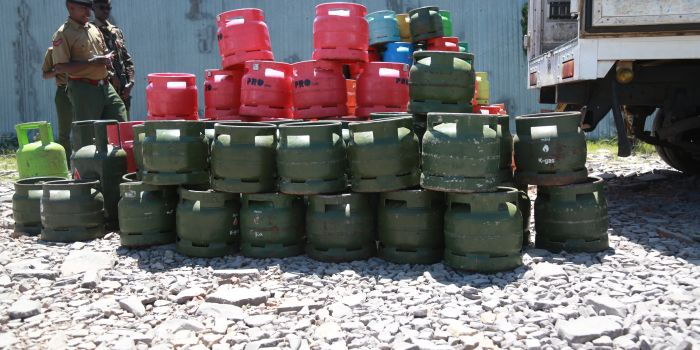
EPRA has also raised concerns about illegal gas businesses. The authority has warned that dealers operating without proper permits will have their licenses revoked. This crackdown is part of EPRA’s effort to ensure safety and traceability in the industry.
Technological Integration:
EPRA aims to use barcodes and scanners to track the approximately 4.7 million cylinders in circulation. This system will improve product traceability, ensuring that only legally sold cooking gas is in circulation.
Conclusion
The introduction of maximum retail prices for cooking gas is a significant step towards ensuring consumer protection and price stability in Kenya’s gas market. EPRA’s strategy includes a centralized importation system, competitive bidding, and a robust crackdown on illegal dealers, all of which will help create a safer, more efficient, and fairer industry. With the Open Tender System (OTS) and barcode tracking systems, the gas market will become more transparent, benefiting both businesses and consumers.