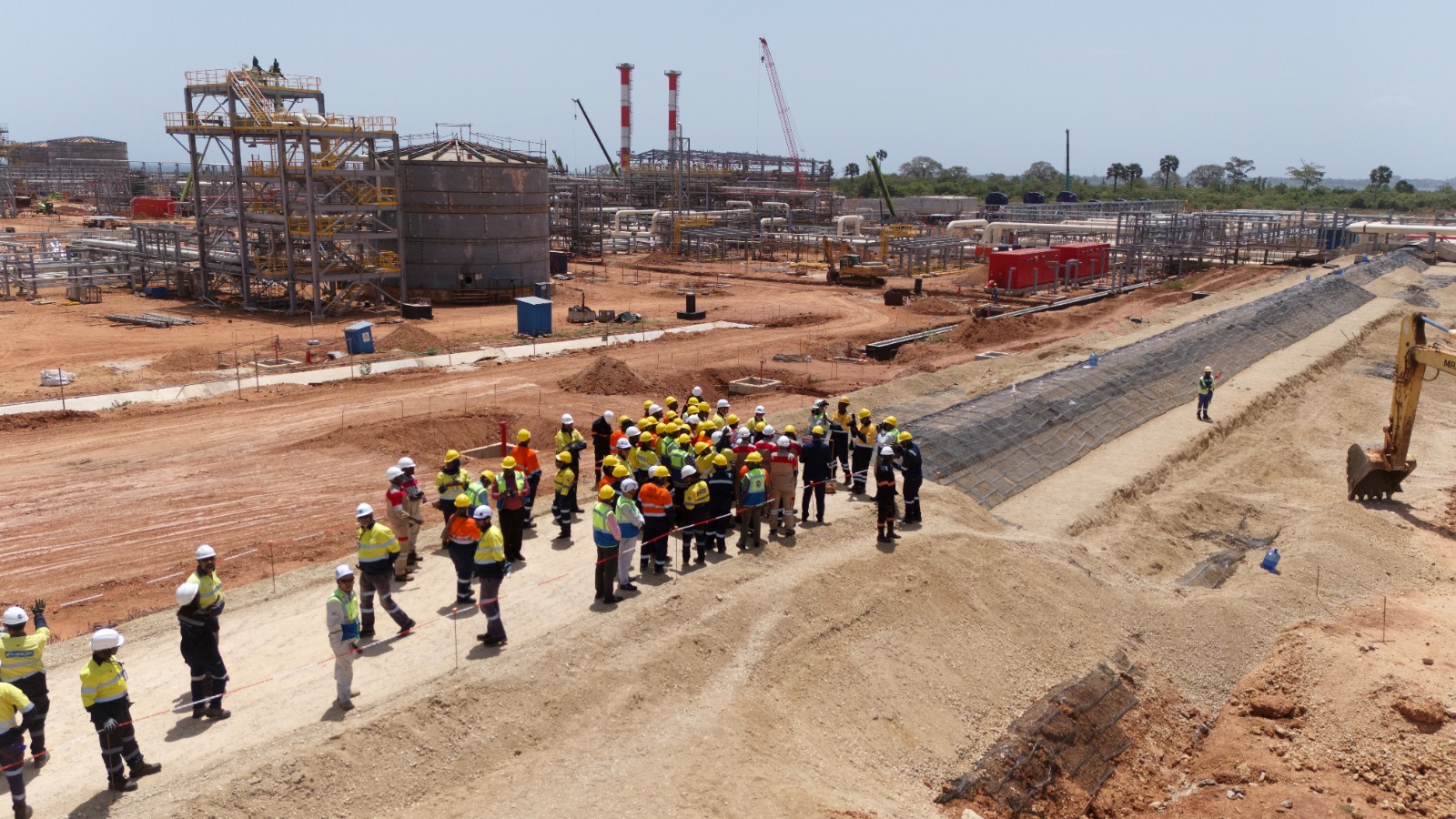
EACOP is moving closer to a historic milestone after officials confirmed plans for technical commissioning in July 2026, followed by political commissioning around October. The update comes as construction and systems installation at the Tanga Marine Storage and Terminal facility in Tanzania near completion, bringing Uganda and Tanzania within reach of first oil exports.
The East African Crude Oil Pipeline is regarded as one of the most strategic energy investments on the continent. Leaders overseeing the project say it is expected to unlock significant economic gains through capital inflows, employment creation, skills transfer, and community development programs across the region.
The latest timelines were highlighted during a high-level inspection of the Marine Storage and Terminal facility in Tanzania’s Tanga Region. The visit was led by Ruth Nankabirwa Ssentamu alongside Tanzania’s Deputy Minister of Energy, reflecting continued joint oversight of the cross-border project.
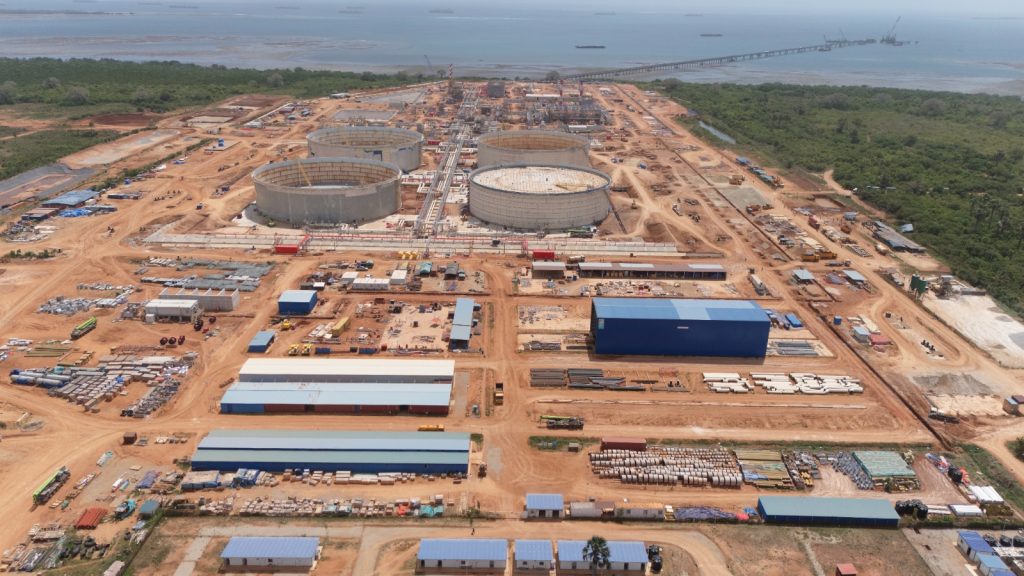
The Tanga facility serves as the final export point for Uganda’s crude oil. It features four large storage tanks with a combined capacity of about two million barrels, supported by export pumping systems and an on-site power generation unit designed to ensure uninterrupted crude transfer to international markets.
According to Nankabirwa, progress along the entire system has been encouraging. From the pump station in Hoima to Chongoleani on the Tanzanian coast, major structures are now in place, while safety, security, and environmental standards are being applied in line with global requirements.
Uganda’s crude oil will be stored at the Marine Storage and Terminal before being pumped to the offshore export jetty through a two-kilometre trestle. This setup allows vessels to load crude safely and efficiently for shipment to global buyers.
Supporting infrastructure has also reached advanced stages. Electrical, Instrumentation, Telecommunications, and Security systems are complete, while construction of the mooring and berthing dolphins is approximately 85 percent finished. The terminal is scheduled for phased commissioning starting in the first quarter of 2026.
Officials said the July technical commissioning will focus on testing and validating the full pipeline system. This step is expected to clear the way for a formal political commissioning later in the year, led by the heads of state of Uganda and Tanzania, marking Uganda’s official entry into the global oil export market.
Nankabirwa described EACOP as a transformative investment for East Africa. She said the scale of the project could significantly expand regional economies through sustained infrastructure development, job creation, and long-term skills growth.
Communities along the 1,443-kilometre heated pipeline, the longest of its kind in the world, have already seen benefits such as improved road networks, water access, and social facilities. These developments are intended to strengthen local participation and ownership of the project.
The minister also stressed the importance of completing enabling infrastructure, including the Kawanda substation, to provide reliable renewable power for pipeline operations. She noted that strong ICT systems will be critical for real-time monitoring and operational efficiency.
At the Tanga terminal, Uganda National Oil Company communications officials said the site represents the final stage of Uganda’s crude oil journey. The terminal will serve as the gateway through which Uganda’s oil reaches international markets.
The inspection reinforced the level of political commitment behind EACOP and the close cooperation between Uganda and Tanzania. As commissioning dates draw nearer, the pipeline is increasingly viewed as a cornerstone for regional energy development, economic integration, and long-term infrastructure growth.