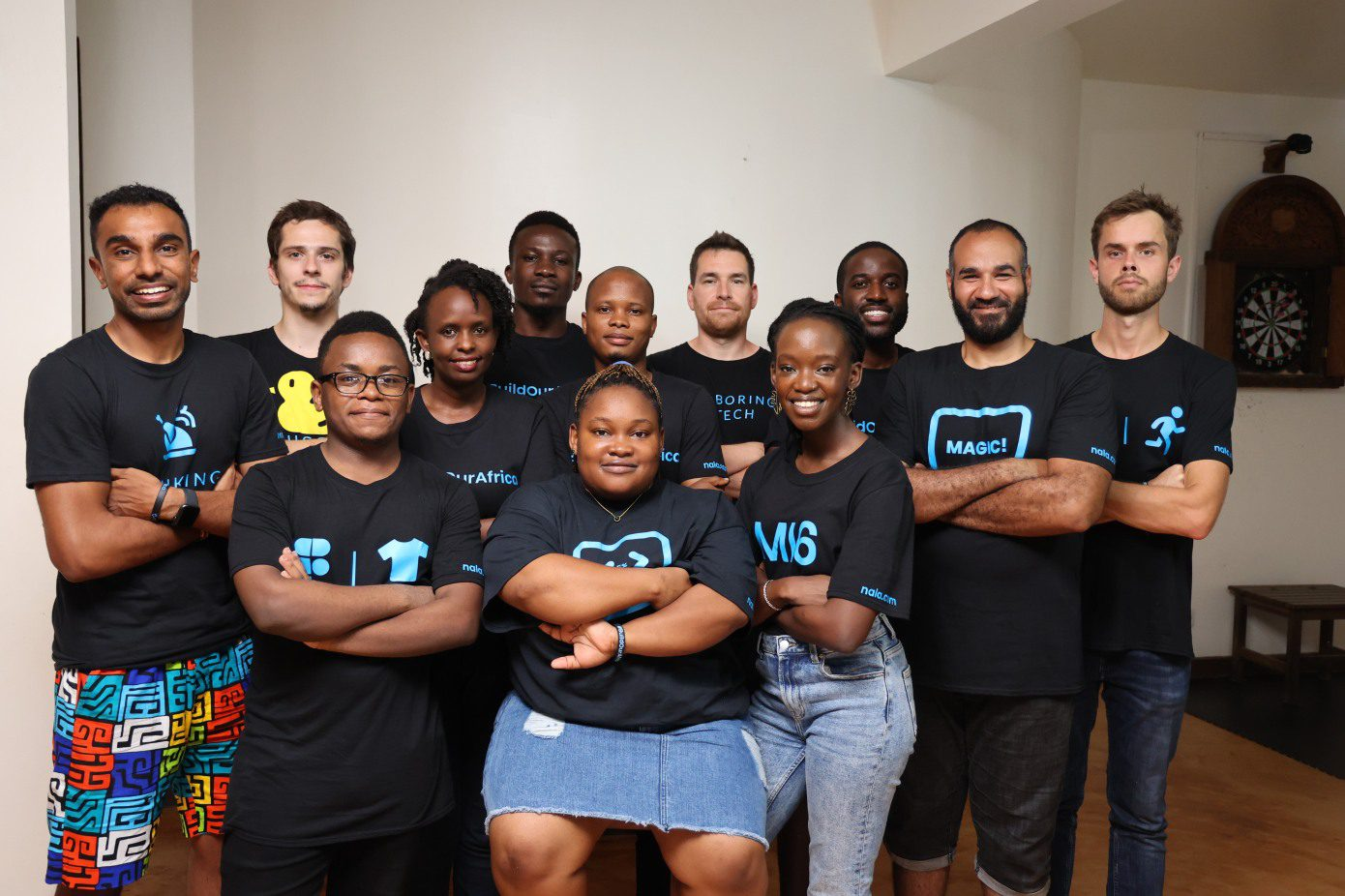
NALA funding has helped turn the company into one of the most closely watched African fintechs in global money transfer and cross-border payments. Founded in 2017, NALA describes itself as a new kind of money transfer company for Africans worldwide. Its mission began with making digital transactions easier, cheaper and faster for consumers, especially those sending money into Africa.
The company operates across social enterprise, B2B and enterprise technology, finance, banking, e-commerce, remittances, financial technology and payments infrastructure. Its core customer promise is simple: make money movement easier for Africans at home and in the diaspora.
NALA’s funding history includes pre-seed, seed, Series A, equity funding and debt financing. Its known investors include LIQUiDITY Group, MUFG Bank, MARS Growth Capital, DST Global, HOF Capital, Norrsken22, Amplo VC, Acrew Capital, Digital Currency Group, Bessemer Venture Partners, Accel, DFS Lab, VentureSouq, Y Combinator, NYCA Partners, The MBA Fund, Luxembourg House of Financial Technology and others.
The company’s biggest disclosed milestones include a $40 million Series A round announced in July 2024 and a credit facility of up to $50 million announced in May 2026. The Series A supported remittance growth and the development of Rafiki, NALA’s B2B payments platform, while the 2026 credit facility supported global stablecoin payments infrastructure.
What Is NALA?
NALA is a financial technology company focused on money transfers and cross-border payments for Africans worldwide. The company was founded in 2017 and is associated with Nairobi, Kenya in the supplied company profile, while public reports describe it as a Tanzania-founded fintech.
NALA began with a consumer remittance product designed to help people send money to Africa more easily. Over time, the company expanded from consumer transfers into broader payments infrastructure. Its newer business direction includes Rafiki, a B2B payments platform built to help businesses move money across borders more reliably.
This evolution matters. Many fintech companies begin by solving a consumer pain point, then use that experience to build deeper infrastructure. NALA’s path follows that pattern. It started with remittances and then moved toward payment rails that can serve businesses as well as consumers.
| Sector | Why It Matters to NALA |
|---|---|
| Social Enterprise | NALA’s early mission focused on improving financial access for Africans. |
| Finance | Cross-border money movement is the company’s core market. |
| Banking | NALA connects users and businesses to financial transfer infrastructure. |
| E-commerce | Payments support online trade and digital business activity. |
| B2B / Enterprise | Rafiki expands NALA’s reach into business payments. |
| FinTech | NALA uses technology to improve remittances and payment rails. |
NALA’s broader ambition is to build more reliable financial infrastructure for emerging markets, especially where cross-border payments remain expensive, slow or fragmented.
Why NALA Funding Matters
NALA funding matters because remittances and cross-border payments are critical to African households, businesses and economies. Millions of Africans living abroad send money home for family support, education, healthcare, savings, small businesses and investment. Yet money transfers into Africa can still be expensive, slow and inconsistent.
For businesses, the problem is also serious. Companies that import, export, pay suppliers, settle invoices or operate across borders need reliable payment infrastructure. Weak payment rails can increase costs and slow trade.
NALA’s funding supports both sides of this problem. The consumer product helps individuals send money. Rafiki aims to support B2B payments. The 2026 credit facility supports stablecoin-based payment infrastructure, which the company says will help it scale global corridors across the United States, Europe and emerging markets.
This makes NALA more than a remittance app. It is moving toward a broader payments infrastructure role.
Full List of NALA Funding and Investor Activity
NALA’s funding history includes pre-seed support, accelerator funding, seed capital, Series A investment, equity funding and debt financing. Some amounts are disclosed, while others are not publicly available.
| Investor | Announced Date | Amount | Main Category | Strategic Value |
| LIQUiDITY Group | May 2026 | Up to $50M credit facility | Debt Funding | Supports global stablecoin payments infrastructure and enterprise expansion. |
| MUFG Bank | May 2026 | Linked to Mars Growth Capital facility | Equity / Strategic Finance | Supports structured growth capital through MUFG-backed Mars Growth Capital. |
| MARS Growth Capital | May 2026 | Up to $50M credit facility | Credit Financing | Provides non-dilutive financing for payment infrastructure scale-up. |
| DST Global | Jul 2024 | Part of $40M Series A | Series A | Supports global expansion and payment infrastructure growth. |
| HOF Capital | Jul 2024 | Part of $40M Series A | Series A | Supports fintech and global payments expansion. |
| Norrsken22 | Jul 2024 | Part of $40M Series A | Series A | Supports African fintech growth. |
| Amplo VC | Jul 2024 | Part of $40M Series A | Series A | Supports fintech expansion and emerging-market payments. |
| Acrew Capital | Jul 2024 | Led $40M Series A | Series A | Leads major growth round for remittances and B2B payments. |
| DCG Expeditions | Jan 2022 | Undisclosed | Seed | Supports early fintech and digital asset-linked payment growth. |
| Digital Currency Group | Jan 2022 | Undisclosed | Seed | Adds crypto and digital asset ecosystem expertise. |
| Shine Capital | Jan 2022 | Undisclosed | Seed | Supports early growth. |
| Bessemer Venture Partners | Jan 2022 | Part of $10M seed round | Seed | Supports fintech scaling and product development. |
| Accel | Jan 2022 | Part of $10M seed round | Seed | Adds global venture support. |
| Amplo VC | Jan 2022 | Part of $10M seed round | Seed | Supports early expansion. |
| DFS Lab | Jan 2022 | Undisclosed | Seed | Supports digital financial services and emerging-market fintech. |
| VentureSouq | Mar 2019 | Undisclosed | Seed | Supports early-stage fintech growth. |
| Y Combinator Winter 2019 | Mar 2019 | $150K | Seed / Accelerator | Provides accelerator funding and global investor access. |
| 9Yards Capital | Mar 2019 | Undisclosed | Seed | Supports early fintech development. |
| DFS Lab | Mar 2019 | Undisclosed | Seed | Adds early financial inclusion expertise. |
| NYCA Partners | Mar 2019 | Undisclosed | Seed | Supports fintech and financial services growth. |
| The MBA Fund | Mar 2019 | Undisclosed | Seed | Adds early-stage venture support. |
| DFS Lab | Apr 2018 | Undisclosed | Pre-seed | Supports early product development. |
| Y Combinator | Not specified | Undisclosed | Equity Funding | Supports founder network, fundraising and product growth. |
| Luxembourg House of Financial Technology | Not specified | Undisclosed | Equity Funding | Adds fintech ecosystem support. |
| CATAPULT: Inclusion Africa 2018 | Not specified | In-kind services | Startup Support | Supports financial inclusion and early company development. |
NALA Funding Timeline
2017: Founded to Improve Money Transfers for Africans
NALA was founded in 2017 with a mission to make money transfers easier and more affordable for Africans. The company began with a strong consumer focus, especially around digital transactions and remittances.
This starting point was important because African remittance users often face high transfer costs, slow settlement and limited transparency. NALA entered the market by focusing on customer experience and lower-cost money movement.
2018: Early Support From DFS Lab and Inclusion Programs
In April 2018, DFS Lab is listed as a pre-seed backer of NALA. The company also received in-kind support through CATAPULT: Inclusion Africa 2018.
This early stage helped NALA refine its model within the digital financial services and financial inclusion ecosystem. Early support from fintech-focused programs can be valuable because payments businesses must understand regulation, compliance, customers and partnerships from the beginning.
2019: Y Combinator and Seed-Stage Expansion
In March 2019, NALA participated in Y Combinator Winter 2019 and received $150,000 in seed funding. Other seed-stage backers listed for that period include VentureSouq, 9Yards Capital, DFS Lab, NYCA Partners and The MBA Fund.
Y Combinator’s involvement was a key milestone because it gave NALA global exposure and access to a strong investor network. For a fintech working on remittances, credibility and network access are especially important because the company needs partnerships across countries, banks, payment providers and regulators.
2022: $10 Million Seed Round
In January 2022, NALA raised a $10 million seed round from investors including Accel, Bessemer Venture Partners, Amplo, Digital Currency Group, DFS Lab and others. Public reports said the funding supported NALA’s consumer remittance product and expansion.
This round helped NALA scale from an early product into a larger remittance platform. It also brought in investors with strong fintech, venture and digital asset experience.
2024: $40 Million Series A
In July 2024, NALA raised $40 million in Series A funding. Public reporting said the round was led by Acrew Capital, with participation from DST Global, Amplo, Norrsken22 and HOF Capital. The funding was used to support global expansion, improve payment reliability to Africa and build Rafiki, a B2B payments platform.
This round was a turning point. It moved NALA beyond consumer remittances toward broader payment infrastructure.
2026: Up to $50 Million Credit Facility
In May 2026, NALA secured up to $50 million in credit financing from LIQUiDITY through Mars Growth Capital, a joint venture connected to Liquidity and MUFG Bank. The financing was designed to scale NALA’s global stablecoin payments infrastructure, support enterprise contracts and expand payment corridors across the United States, Europe and emerging markets without equity dilution.
This credit facility is important because it reflects a more mature funding strategy. Instead of relying only on equity, NALA is using non-dilutive capital to scale infrastructure.
Biggest NALA Funding Rounds by Deal Value
NALA’s largest disclosed funding events show a company moving from accelerator-backed fintech to a global payments infrastructure platform.
| Rank | Funding Event | Announced Date | Deal Value | Strategic Area |
| 1 | Credit facility from LIQUiDITY / Mars Growth Capital | May 2026 | Up to $50M | Stablecoin payments infrastructure and global payment corridors |
| 2 | Series A led by Acrew Capital | Jul 2024 | $40M | Remittances, Rafiki B2B payments and global expansion |
| 3 | Seed round | Jan 2022 | $10M | Consumer remittances and early expansion |
| 4 | Y Combinator Winter 2019 | Mar 2019 | $150K | Accelerator funding and global investor access |
| 5 | Pre-seed and early seed investor support | 2018–2019 | Undisclosed | Product development and financial inclusion |
The $40 million Series A is NALA’s largest disclosed equity round. The May 2026 credit facility is larger in headline value, but it is debt financing rather than equity. That distinction matters because equity funds company growth, while credit facilities often support payments liquidity, settlement and infrastructure needs.
Most Common Funding Categories
NALA’s funding profile reflects a fintech company growing from consumer remittances into infrastructure.
| Funding Category | Examples of Investors | Strategic Role |
| Debt Funding | LIQUiDITY Group, MARS Growth Capital | Supports payment infrastructure and corridor expansion without equity dilution. |
| Series A | Acrew Capital, DST Global, HOF Capital, Norrsken22, Amplo VC | Supports global expansion, Rafiki and payment rails. |
| Seed | Accel, Bessemer, Amplo, Digital Currency Group, DFS Lab, VentureSouq, NYCA Partners | Supports early product growth and remittance scaling. |
| Accelerator Funding | Y Combinator Winter 2019 | Supports founder network, credibility and early fundraising. |
| Fintech Ecosystem Support | DFS Lab, Luxembourg House of Financial Technology, CATAPULT Inclusion Africa | Supports early financial inclusion and product development. |
| Strategic Finance | MUFG Bank-linked Mars Growth Capital | Supports structured capital for global payment scale. |
This funding mix shows how NALA’s capital needs have changed. Early funding supported product development. Series A capital supported expansion. Credit financing now supports infrastructure scale.
Strategic Lessons From NALA Funding
Remittances Can Become Infrastructure
NALA’s funding journey shows that remittance companies can evolve into payment infrastructure businesses. A company that begins by helping consumers send money can later build rails for businesses, merchants and enterprises.
This is what NALA is doing with Rafiki. The company is using its experience in cross-border money movement to build B2B payment infrastructure.
Trust Is Central to Money Movement
People sending money home need reliability. Businesses moving money across borders need speed, compliance and certainty. Any payment failure can damage trust quickly.
NALA’s funding supports investment in compliance, reliability, settlement systems and payment partnerships.
Stablecoins Are Entering Payment Infrastructure
The 2026 credit facility highlights the growing role of stablecoins in cross-border payments. Stablecoins may help reduce friction in some payment corridors, but they also require strong compliance, liquidity management and regulatory oversight.
For NALA, stablecoin infrastructure is part of its broader effort to improve global money movement.
Non-Dilutive Capital Can Support Payments Scale
The 2026 facility is important because it allows NALA to scale without selling more equity. For payments companies, credit facilities can support transaction volume, liquidity and working capital needs.
How NALA Funding Fits Its Business Model
NALA’s business model has evolved in stages.
The first stage focused on consumer remittances. The company helped people in the diaspora send money to Africa through a more user-friendly digital platform.
The second stage expanded into payment infrastructure. Rafiki is designed to support B2B payments, helping businesses move money across borders more efficiently.
The third stage involves global stablecoin payment rails. The 2026 credit facility supports this infrastructure strategy.
Funding fits this model in several ways.
First, equity capital helps build products, hire teams, expand corridors and obtain regulatory approvals.
Second, investor networks help open partnerships with banks, payment processors and financial institutions.
Third, credit facilities support liquidity and payment volume as enterprise usage grows.
Fourth, strategic fintech investors bring expertise in compliance, risk, payments and global expansion.
Financial and Ownership Context
NALA is a private company, so full financial statements are not publicly available. However, its disclosed funding history shows a strong progression.
The company participated in Y Combinator Winter 2019, raised a $10 million seed round in 2022, raised a $40 million Series A in 2024 and secured up to $50 million in credit financing in 2026.
Public reporting on the 2024 Series A said NALA achieved a 10x increase in revenue over the prior 12 months, reached profitability and had positive cash flow.
This financial context is significant because many fintechs require large spending to grow. NALA’s ability to raise both equity and debt suggests investor confidence in its growth profile and payment infrastructure opportunity.
Competitive Impact of NALA Funding
NALA funding improves the company’s competitive position in several ways.
First, it gives NALA capital to expand payment corridors. In remittances, corridor coverage matters because customers need to send money between specific countries.
Second, funding helps improve reliability. Cross-border payments depend on banking partners, liquidity, compliance systems and settlement speed.
Third, the Series A supports Rafiki. This gives NALA a B2B growth engine beyond consumer remittances.
Fourth, the 2026 credit facility strengthens its ability to support enterprise contracts and stablecoin payment infrastructure without immediate dilution.
Finally, NALA’s investor base improves credibility. Backers such as Acrew Capital, DST Global, Accel, Bessemer, Norrsken22, Amplo, LIQUiDITY and MUFG-linked Mars Growth Capital bring strong fintech and growth finance relevance.
Advantages of the Funding Strategy
Strong Consumer and B2B Positioning
NALA can serve both individuals sending remittances and businesses needing cross-border payments.
Large Diaspora Market
Africans worldwide need reliable and affordable money transfer tools. This gives NALA a large customer problem to solve.
Payments Infrastructure Expansion
Rafiki and stablecoin rails create a broader opportunity than ordinary remittance fees alone.
Mix of Equity and Debt
NALA has used equity for growth and debt for infrastructure scaling. This can support expansion while managing dilution.
Strong Investor Credibility
Investors such as Acrew Capital, DST Global, Accel, Bessemer, Norrsken22, Amplo, LIQUiDITY and MUFG-linked Mars Growth Capital add credibility and networks.
Disadvantages of the Funding Strategy
Regulatory Complexity
Money transfer and payment companies face strict rules on licensing, anti-money laundering controls, sanctions screening, data protection and consumer protection.
Corridor Risk
Each payment corridor has different banks, regulators, liquidity needs and customer behaviour. Expansion can be complex.
Currency and Liquidity Risk
Cross-border payments require careful liquidity management across currencies and markets.
Competition
NALA competes with global money transfer companies, banks, mobile money providers, fintechs, stablecoin startups and B2B payment platforms.
Stablecoin Risk
Stablecoin payment infrastructure can reduce friction, but it also creates regulatory, operational and market risks that must be managed carefully.
Case Studies of Major NALA Funding Events
$40 Million Series A
NALA’s $40 million Series A in July 2024 was a defining milestone. The round was led by Acrew Capital and included DST Global, Amplo, Norrsken22 and HOF Capital. The funding supported global expansion, remittance services and development of the Rafiki B2B payments platform.
This round showed that investors viewed NALA as more than a consumer app. They saw it as a payment infrastructure company.
Up to $50 Million Credit Facility
The May 2026 credit facility from LIQUiDITY through Mars Growth Capital supported NALA’s global stablecoin payments infrastructure. The facility was designed to help the company scale enterprise contracts and payment corridors without equity dilution.
This is a strong example of how fintech companies can use credit financing once they have stronger revenue visibility and infrastructure needs.
$10 Million Seed Round
The January 2022 seed round gave NALA capital to scale its remittance product. Investors included Accel, Bessemer Venture Partners, Amplo, Digital Currency Group, DFS Lab and others. Public reporting described this as the round that followed NALA’s early expansion and preceded the later Series A.
Y Combinator Winter 2019
Y Combinator gave NALA early global visibility. For a fintech founder building across emerging markets, accelerator backing can help with product discipline, investor access and credibility.
Common Mistakes When Analyzing NALA Funding
Treating NALA as Only a Remittance App
NALA began with remittances, but its strategy now includes B2B payments, Rafiki and stablecoin payment infrastructure.
Ignoring Regulation
Cross-border payments are heavily regulated. Compliance is not a side issue; it is central to the business.
Looking Only at Headline Funding
Debt and equity serve different purposes. NALA’s $50 million credit facility is not the same as its $40 million Series A equity round.
Underestimating Liquidity Management
Payment companies need liquidity in the right currencies and corridors. Poor liquidity management can delay transactions and weaken customer trust.
Assuming Stablecoins Remove All Friction
Stablecoins can help in some payment flows, but they do not remove compliance, licensing, liquidity, fraud or user trust challenges.
Lessons for Business Owners and Investors
NALA offers several lessons.
First, a focused consumer problem can become a larger infrastructure business. Remittances gave NALA a clear starting point, while B2B payments create a broader platform opportunity.
Second, trust is the product in financial services. Customers care about cost, speed, reliability and security.
Third, African fintech can scale globally when it solves cross-border problems. Diaspora payments naturally connect multiple markets.
Fourth, debt financing can support fintech infrastructure once a company has stronger traction.
Finally, regulatory discipline is a competitive advantage. Fintech companies that manage compliance well can build deeper partnerships and scale more safely.
Key Takeaways
- NALA is a money transfer and payments fintech founded in 2017.
- The company serves Africans worldwide through digital remittances and cross-border payments.
- NALA is associated with Nairobi in the supplied profile and publicly described as Tanzania-founded.
- NALA funding includes pre-seed, seed, Series A, equity funding and debt financing.
- The company participated in Y Combinator Winter 2019.
- NALA raised a $10 million seed round in 2022.
- NALA raised a $40 million Series A round in July 2024.
- Acrew Capital led the Series A round.
- Investors in the Series A included DST Global, Amplo, Norrsken22 and HOF Capital.
- NALA built Rafiki as a B2B payments platform.
- In May 2026, NALA secured up to $50 million in credit financing from LIQUiDITY through Mars Growth Capital.
- NALA’s future growth depends on corridor expansion, compliance, liquidity, stablecoin infrastructure, trust and payment reliability.
Frequently Asked Questions
What is NALA?
NALA is a fintech company that provides money transfer and cross-border payment services for Africans worldwide.
When was NALA founded?
NALA was founded in 2017.
Where is NALA based?
The supplied company profile lists NALA in Nairobi, Kenya, while public reports describe it as a Tanzania-founded fintech.
What does NALA do?
NALA helps users send money across borders and is expanding into B2B payments through its Rafiki platform.
What is NALA funding?
NALA funding refers to the capital raised by the company through seed, Series A, equity and debt financing to support remittances, B2B payments and global payment infrastructure.
How much did NALA raise in its Series A?
NALA raised $40 million in Series A funding in July 2024.
Who led NALA’s Series A round?
Acrew Capital led NALA’s $40 million Series A round.
Who invested in NALA’s Series A?
Investors included Acrew Capital, DST Global, Amplo, Norrsken22 and HOF Capital.
What is Rafiki?
Rafiki is NALA’s B2B payments platform, designed to help businesses move money across borders more reliably.
How much credit financing did NALA secure in 2026?
NALA secured up to $50 million in credit financing from LIQUiDITY through Mars Growth Capital in May 2026.
Was NALA part of Y Combinator?
Yes. NALA participated in Y Combinator Winter 2019 and received $150,000 in accelerator funding.
What are NALA’s main risks?
NALA’s main risks include regulatory complexity, currency and liquidity risk, competition, stablecoin infrastructure risk, fraud prevention, and payment corridor execution.
Conclusion
NALA funding shows how an African money transfer company can evolve into a broader payments infrastructure platform. Founded in 2017, NALA began by helping Africans send money more easily and affordably. It has since expanded into B2B payments through Rafiki and is now building global stablecoin payment infrastructure.
The company’s $40 million Series A in 2024 gave it capital to expand remittances, improve payment reliability and build business payment rails. Its May 2026 credit facility of up to $50 million from LIQUiDITY through Mars Growth Capital added non-dilutive financing for the next stage of infrastructure growth.
The opportunity is significant. Africans worldwide need faster, cheaper and more reliable ways to move money. Businesses also need better cross-border payment systems. But the risks are real. NALA must manage regulation, liquidity, competition, compliance and stablecoin infrastructure carefully.
For business owners, investors and fintech analysts, NALA funding offers a clear lesson. The strongest fintech companies do not stop at consumer apps. They use customer trust, transaction volume and market knowledge to build deeper infrastructure that can serve individuals, businesses and entire payment corridors.
Disclaimer: This article is for informational and educational purposes only. It is not investment advice, financial advice, or a recommendation to buy or sell any security. Always conduct your own research and consider speaking with a qualified financial adviser before making investment decisions.
Read Also: Pula Advisors Funding: How Pula Built Its Farmer Insurance Business