In a disturbing display of political discord, a graveside ceremony in Kitui County turned chaotic due to a clash between two local politicians and their respective entourages. The incident occurred at the funeral of Kamuti Kiteme in Mathuki village, which was attended by notable political figures including Wiper party leader Kalonzo Musyoka, Jubilee Party’s Waithaka Kioni, and DAP-K party leader Eugene Wamalwa, along with Kitui Governor Julius Malombe.
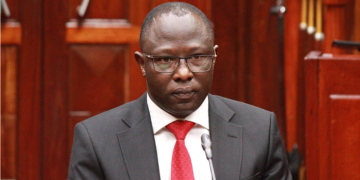
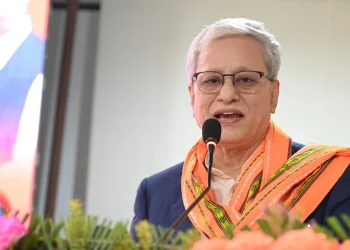
The conflict involved Kitui Woman Representative Irene Kasalu and Mwingi Central MP Gideon Mulyungi, each accompanied by groups of disorderly supporters, known locally as goons, who were reported to be under the influence of drugs. The presence of these unruly groups led to tensions escalating quickly into violence at the burial site.
The root cause of the feud between Kasalu and Mulyungi remains unclear, but the consequences of their rivalry were starkly evident as their supporters clashed in an embarrassing spectacle for mourners and guests alike. The situation was reportedly only kept from escalating further due to respect for the senior political figures in attendance.
The skirmish began before the arrival of Kalonzo Musyoka, as each group jostled for proximity to the Wiper party leader, hoping to secure a seat next to him. Armed with crude weapons like catapults, the goons engaged in running battles, hurling insults and creating a scene that not only disrespected the solemnity of the funeral but also posed a serious safety risk to all present.
This incident underscores a troubling trend in Kitui politics, where the employment of goons has become alarmingly routine. These hired groups often engage in disruptive and violent behavior to intimidate political rivals and demonstrate loyalty to their employers, thereby earning their pay in the most disgraceful manner.
The Wiper party leader, Kalonzo Musyoka, has previously admonished Mulyungi for his continued engagement in this type of political behavior and has urged him to abandon the use of hoodlums at public events. Despite these warnings, the situation has persisted, suggesting a deep-seated problem within the local political culture.
The burial event could have turned tragic, referred to ominously by local goons as a “kichinjio” or slaughterhouse, highlighting the potential for violence these political disputes can incite. The compromised position of local law enforcement, demonstrated by the Mwingi police’s inability to control the situation, further complicates matters, leaving the public to question their effectiveness and impartiality.
This incident not only reflects poorly on the individual politicians involved but also on the broader political environment in Kitui, where a minority of leaders, notably Governor Malombe and Senator Enock Wambua, choose not to engage with such disruptive elements. The need for a cultural shift away from the politics of intimidation and violence in Kitui is clear if there is to be any hope for peaceful and constructive political engagement in the region’s future.