


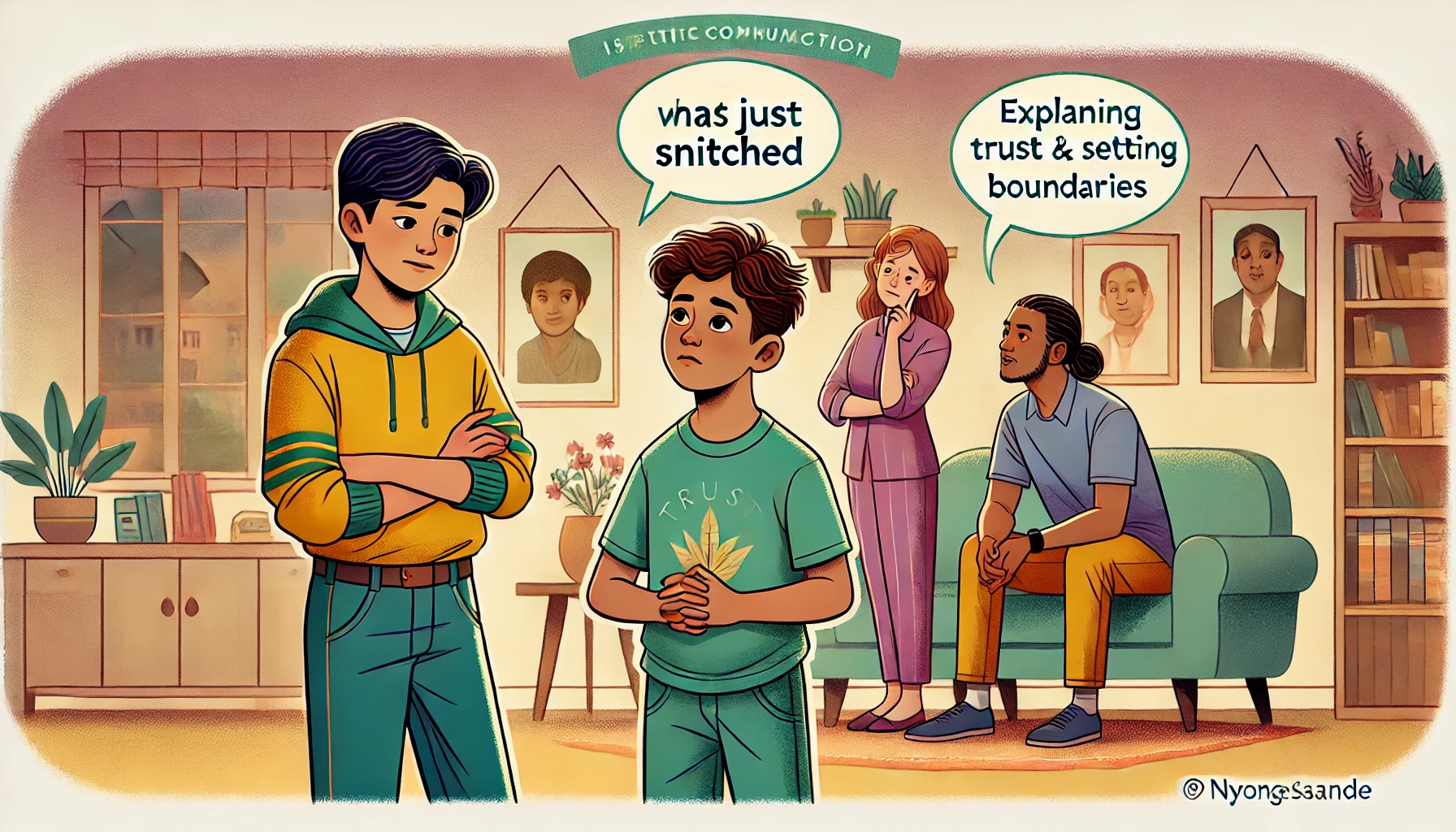
Learn how to deal with a tattling sibling by setting boundaries, fostering better relationships, and preventing future snitching with practical strategies.
Siblings can be your closest allies or biggest nuisances, especially when they tattle on you. Whether you’re dealing with a younger sibling who hasn’t learned boundaries or an older one trying to gain favor with parents, managing the situation with patience and understanding is crucial. This guide provides effective ways to address tattling, improve your sibling relationship, and prevent future snitching.
Method 1: Dealing with a Young Tattletale
Step 1: Explain the Difference Between Tattling and Telling
Younger siblings may not understand the distinction between serious concerns and minor complaints. Explain:
- Telling is for serious matters, like safety threats or harm.
- Tattling is unnecessary reporting, like minor rule-breaking.
Example: “If someone is in danger, it’s good to tell. But if it’s something small, like staying up late, it’s not necessary to report it.”
Step 2: Explain the Impact of Tattling
Let them know how constant tattling affects relationships:
- Parents may get annoyed hearing unnecessary complaints.
- Friends may avoid them if they always report minor issues.
Example: “Imagine if I told Mom every time you forgot to brush your teeth. You wouldn’t like that, right?”
Step 3: Be Helpful, Not Hurtful
Approach your sibling with advice, not anger. Show empathy and understanding rather than scolding them for tattling.
Step 4: Appeal to Their Desire to Be a ‘Big Kid’
Encourage independent problem-solving by explaining that mature kids handle small issues on their own.
Example: “Big kids try to solve little problems by talking, not running to Mom and Dad.”
Step 5: Be Patient
Understand that young children need time to change habits. Remind them gently when they slip up and reinforce good behavior positively.
Method 2: Improving Your Relationship with Older Siblings
Step 1: Ask Why They Snitch
Older siblings may tattle due to:
- Feeling they are unfairly punished.
- Seeking attention from parents.
- Distracting from their own misbehavior.
Listen to their reasons and acknowledge their feelings before responding.
Step 2: Remedy the Situation
- If they feel overshadowed, recognize their achievements too.
- If they seek fairness, discuss family dynamics with parents.
- If they deflect attention, create a team mindset where you have each other’s backs.
Step 3: Mind What You Discuss with Parents
Avoid discussing your sibling negatively with your parents. Instead, be neutral and avoid fueling conflict.
Step 4: Avoid Labeling Them as ‘The Snitch’
Give them room to change and mature rather than constantly reminding them of their past behavior.
Step 5: Move Forward
Let go of past arguments and focus on improving your sibling relationship. Discuss past conflicts to clear misunderstandings and build a stronger bond.
Method 3: Highlighting Your Strengths
Step 1: Prove Your Maturity
Show responsibility by:
- Completing chores and homework without reminders.
- Making independent decisions.
- Being polite and respectful.
Step 2: Be the Bigger Person
When they snitch, stay calm. Avoid reacting emotionally or getting into fights. Show that you can handle situations maturely.
Step 3: Apologize When Necessary
If you did something wrong, accept responsibility instead of blaming your sibling. A sincere apology can help prevent future tattling.
FAQs (Schema Markup)
Q1: How can I stop my sibling from tattling?
A: Explain the difference between tattling and telling, reinforce positive behavior, and avoid encouraging unnecessary reporting.
Q2: What if my sibling tattles to gain attention?
A: Spend quality time with them and acknowledge their achievements so they feel valued without resorting to snitching.
Q3: How do I handle an older sibling who constantly reports minor things?
A: Have a mature conversation with them about fairness and mutual respect. Work together on setting boundaries.
Q4: How can I encourage my younger sibling to solve problems independently?
A: Teach them problem-solving skills and reward them when they handle situations on their own instead of running to parents.
Q5: What if my sibling tattles to teachers or friends?
A: Stay calm, present your side of the story honestly, and avoid escalating the situation. Let them learn from natural consequences.
Q6: How do I make my parents understand that my sibling is tattling unfairly?
A: Have a private discussion with your parents and present examples of unnecessary tattling without sounding like you’re blaming your sibling.
Q7: Can labeling my sibling as ‘The Snitch’ make things worse?
A: Yes. It reinforces their behavior and makes them feel alienated, potentially leading to more tattling.
Final Tips
- Stay calm when your sibling tattles.
- Encourage problem-solving instead of running to parents.
- Avoid retaliating by snitching back.
- Create a stronger bond through positive sibling activities.
Handling a snitching sibling requires patience and understanding. By fostering a positive relationship, setting clear boundaries, and reinforcing good behavior, you can minimize tattling while strengthening your sibling bond.


