


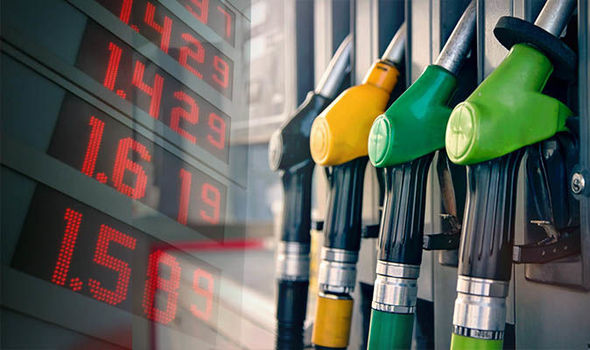
Fuel prices remain one of the world’s most closely watched economic indicators because they directly affect inflation, transportation costs, food prices, manufacturing, tourism, and household budgets. In 2026, several countries are experiencing exceptionally high gasoline prices as governments impose heavy fuel taxes, pursue aggressive climate policies, and manage energy import dependence.
Fuel are any materials that can react with other substances to release energy as thermal energy or to be used for work. The concept was originally applied solely to those materials capable of releasing chemical energy but has since also been applied to other sources of heat energy, such as nuclear energy (via nuclear fission and nuclear fusion).
The heat energy released by reactions of fuels can be converted into mechanical energy via a heat engine. Other times, the heat itself is valued for warmth, cooking, or industrial processes, as well as the illumination that accompanies combustion. Fuels are also used in the cells of organisms in a process known as cellular respiration, where organic molecules are oxidized to release usable energy. Hydrocarbons and related organic molecules are by far the most common source of fuel used by humans, but other substances, including radioactive metals, are also utilized.
Read Also: Countries With the Cheapest Fuel Prices
Fuels are contrasted with other substances or devices storing potential energy, such as those that directly release electrical energy (such as batteries and capacitors) or mechanical energy (such as flywheels, springs, compressed air, or water in a reservoir).
While oil-producing nations such as Venezuela, Iran, and Libya continue offering heavily subsidized fuel at only a few cents per liter, many advanced economies and import-dependent states are seeing retail gasoline prices exceed $2, $3, or even $4 per liter. The difference highlights how taxation, environmental regulation, currency strength, and energy security policies shape domestic fuel markets worldwide.
Hong Kong currently holds the title for the world’s most expensive gasoline market, with prices averaging more than $4 per liter. European nations also dominate the global rankings because fuel taxation forms a major source of government revenue while supporting climate transition goals. (globalpetrolprices.com)
Countries with the highest fuel prices are typically characterized by:
- High fuel taxes
- Carbon pricing systems
- Limited domestic oil production
- Environmental policies
- Import dependence
- Dense urban transportation systems
Countries With the Highest Fuel Prices in 2026
The table below shows the countries with the most expensive gasoline prices globally as of May 2026.
| Rank | Country | Average Gasoline Price (USD/Liter) |
|---|---|---|
| 1 | Hong Kong | $4.16 |
| 2 | Malawi | $3.84 |
| 3 | Netherlands | $2.80 |
| 4 | Israel | $2.76 |
| 5 | Denmark | $2.60 |
| 6 | Liechtenstein | $2.58 |
| 7 | Monaco | $2.47 |
| 8 | Germany | $2.47 |
| 9 | Albania | $2.40 |
| 10 | Singapore | $2.35 |
The global average gasoline price currently stands near $1.53 per liter, making these markets substantially more expensive than the world average. (globalpetrolprices.com)
Why Some Countries Have Extremely High Fuel Prices
Several major factors explain why gasoline prices are so expensive in these countries.
High Fuel Taxes
Fuel taxes remain the largest contributor to high gasoline prices in Europe and several developed economies.
Governments use fuel taxes to:
- Raise revenue
- Fund infrastructure
- Reduce emissions
- Encourage public transportation
- Support environmental transition goals
In countries such as the Netherlands, Denmark, and Germany, taxes can account for more than half the retail gasoline price. (taxfoundation.org)
Environmental Policies
Climate policies and carbon pricing systems continue increasing fuel costs across many advanced economies.
Countries pursuing aggressive emissions reduction strategies often impose additional carbon taxes and environmental levies on transportation fuels.
Import Dependence
Countries with limited domestic oil production must import refined petroleum products, increasing exposure to:
- Global crude oil prices
- Shipping costs
- Currency fluctuations
- Supply chain disruptions
Urban Transportation Models
Dense urban economies often intentionally maintain high fuel prices to discourage excessive private vehicle usage and reduce congestion.
Hong Kong: The World’s Most Expensive Fuel Market
Hong Kong consistently ranks as the most expensive gasoline market globally.
Retail gasoline prices exceed $4 per liter because of:
- Extremely high taxes
- Land and logistics costs
- Limited storage capacity
- Environmental policy measures
The city’s dense public transportation network reduces dependence on private vehicle ownership, allowing authorities to maintain high fuel taxation without completely crippling mobility.
Despite expensive fuel, Hong Kong maintains one of the world’s most efficient urban transportation systems. (visualcapitalist.com)
Why Fuel Prices Are So High in Europe
Europe dominates the global rankings for expensive fuel markets.
Netherlands
The Netherlands combines:
- High environmental taxes
- Carbon pricing
- Strong climate policies
- VAT charges
This creates some of the world’s highest gasoline prices.
Denmark
Denmark aggressively taxes fossil fuels as part of its clean energy transition strategy.
Germany
Germany’s fuel prices remain elevated because of carbon pricing systems, energy transition costs, and broader European energy market pressures. (reuters.com)
Israel’s Expensive Fuel Market
Israel continues experiencing high gasoline prices because of:
- Heavy taxation
- Import dependence
- Security and transportation costs
- Global energy exposure
Energy security remains a major strategic issue because regional geopolitical risks can affect fuel supply chains.
Singapore’s High Transportation Costs
Singapore maintains high fuel prices partly as a deliberate transportation policy.
Authorities use fuel taxes and vehicle restrictions to:
- Reduce traffic congestion
- Encourage public transit
- Control urban pollution
- Manage land scarcity
Vehicle ownership itself is also heavily regulated through licensing systems and taxes.
Malawi: Africa’s Most Expensive Fuel Market
Malawi stands out because of severe fuel import dependence and logistics costs.
As a landlocked economy, Malawi faces:
- High transportation expenses
- Currency pressure
- Fuel shortages
- Infrastructure limitations
These factors significantly increase gasoline costs for consumers and businesses.
Why Expensive Fuel Impacts Economies
High fuel prices influence nearly every sector of the economy.
Inflation
Transportation costs directly affect food prices, logistics expenses, and consumer inflation.
Household Budgets
Consumers spend more on commuting and transportation, reducing disposable income.
Manufacturing and Industry
Factories and industrial sectors face higher operating costs because of increased transportation and energy expenses.
Tourism
Travel and aviation become more expensive when fuel prices rise sharply.
The Role of Global Oil Markets
Even countries with strong economies remain vulnerable to global oil market volatility.
OPEC Production Decisions
Oil production policies from OPEC and major exporters strongly influence global fuel costs.
Geopolitical Tensions
Conflicts involving major shipping routes and oil-producing regions continue increasing energy market uncertainty.
Shipping and Refining Costs
Refining bottlenecks and maritime shipping disruptions have contributed to rising gasoline and diesel prices globally in 2026. (reuters.com)
Countries With Cheap Fuel vs Expensive Fuel
The contrast between subsidized oil producers and heavily taxed economies remains enormous.
Cheap Fuel Countries
Countries with the world’s cheapest gasoline prices include:
- Venezuela
- Libya
- Iran
- Kuwait
- Algeria
- Qatar
These nations rely heavily on subsidies and domestic oil production.
Expensive Fuel Countries
Countries with the highest fuel prices usually feature:
- Heavy taxation
- Climate policies
- Limited domestic oil production
- Strong public transportation systems
Future Outlook for Global Fuel Prices
Global fuel markets are expected to remain volatile throughout 2026.
Rising Geopolitical Risks
Middle East tensions and shipping disruptions continue threatening supply stability.
Climate Transition Policies
Many governments are expected to further increase carbon taxes and environmental levies.
Electric Vehicle Expansion
EV adoption may gradually reduce long-term gasoline demand in developed economies.
Renewable Energy Growth
Countries investing heavily in renewable energy aim to reduce long-term oil dependence.
Frequently Asked Questions About High Fuel Prices
Which country has the highest fuel prices in the world?
Hong Kong currently has the world’s most expensive gasoline prices, averaging about $4.16 per liter.
Why is fuel expensive in Europe?
European countries impose high taxes and carbon pricing systems to fund infrastructure and support climate goals.
Why are fuel prices so high in Singapore?
Singapore uses fuel taxes and transportation controls to reduce congestion and pollution.
What is the global average gasoline price?
The global average gasoline price currently stands near $1.53 per liter. (globalpetrolprices.com)
Why do oil-producing countries often have cheaper fuel?
Oil producers frequently subsidize domestic fuel using hydrocarbon revenues.
Are fuel prices expected to rise further?
Prices may remain volatile because of geopolitical tensions, carbon taxes, and global oil market uncertainty.
Conclusion
The countries with the highest fuel prices in 2026 are largely concentrated in Europe, Asia, and import-dependent economies where taxation, environmental policies, and energy security concerns heavily shape gasoline pricing.
Hong Kong, the Netherlands, Denmark, Germany, Singapore, and Israel continue maintaining some of the world’s most expensive fuel markets because of carbon taxes, transportation policies, and limited domestic oil production. Meanwhile, countries such as Malawi face high fuel costs because of logistics challenges and import dependence.
As governments continue pursuing climate transition goals and global oil markets remain volatile, transportation fuel prices are likely to remain a major political and economic issue worldwide. The growing divide between heavily subsidized oil-producing states and highly taxed advanced economies will continue shaping the future global energy landscape.
Read Also: Jordan Fuel Prices and Electricity Costs


