


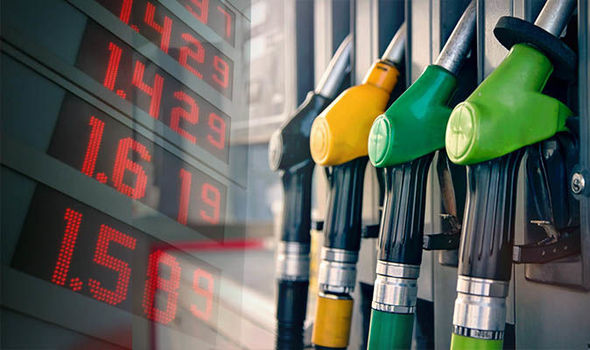
Fuel prices remain one of the most important economic indicators globally because they directly influence inflation, transportation costs, food prices, manufacturing, tourism, and household budgets. In May 2026, the global average gasoline price stands at approximately $1.53 per liter, but some countries continue selling fuel for only a few cents because of massive government subsidies and abundant domestic oil production.
The countries with the cheapest fuel prices are overwhelmingly major oil-producing nations that either heavily subsidize gasoline or tightly control domestic energy markets. In several cases, fuel costs remain lower than bottled water, creating sharp contrasts with Europe, parts of Asia, and African economies where transportation fuel has become increasingly expensive.
While cheap gasoline benefits consumers in the short term, economists warn that extremely low fuel prices can also create long-term fiscal strain, smuggling problems, inefficient energy consumption, and dependence on state subsidies. Countries such as Venezuela, Libya, and Iran continue maintaining some of the world’s cheapest retail fuel markets despite broader economic instability and infrastructure challenges.
The usage and pricing of gasoline (or petrol) results from factors such as crude oil prices, processing and distribution costs, local demand, the strength of local currencies, local taxation or subsidy, and the availability of local sources of gasoline (supply). Since fuels are traded worldwide, the trade prices are similar. Fuel are any materials that can react with other substances to release energy as thermal energy or to be used for work. The concept was originally applied solely to those materials capable of releasing chemical energy but has since also been applied to other sources of heat energy, such as nuclear energy (via nuclear fission and nuclear fusion).
Read Also: Georgia Fuel Prices and Electricity Costs
Countries With the Cheapest Fuel Prices in 2026
The table below highlights the countries with the lowest gasoline prices globally as of May 2026.
| Rank | Country | Approximate Gasoline Price (USD/Liter) |
|---|---|---|
| 1 | Venezuela | $0.02–$0.04 |
| 2 | Libya | $0.02–$0.03 |
| 3 | Iran | $0.03–$0.05 |
| 4 | Angola | ~$0.33 |
| 5 | Algeria | ~$0.35 |
| 6 | Kuwait | ~$0.35 |
| 7 | Turkmenistan | ~$0.43 |
| 8 | Egypt | ~$0.45 |
| 9 | Malaysia | ~$0.45–$0.50 |
| 10 | Qatar | ~$0.55 |
Global gasoline prices average roughly $1.53 per liter, highlighting how dramatically subsidized markets differ from the international norm.
Why Some Countries Have Extremely Cheap Fuel
Several common factors explain why certain countries maintain very low gasoline prices.
Large Oil Reserves
Most countries with the cheapest gasoline possess major crude oil reserves and substantial domestic production capacity.
Countries like Venezuela, Libya, Iran, Kuwait, Qatar, and Algeria generate significant oil export revenues that help governments subsidize domestic fuel consumption.
Government Subsidies
Fuel subsidies remain the single largest reason for extremely low pump prices.
Governments absorb a large share of fuel costs to maintain social stability, reduce transportation expenses, and support households.
In countries such as Iran and Venezuela, fuel subsidies have existed for decades and are deeply tied to political and economic policy.
State-Controlled Energy Markets
Many low-price fuel markets operate under state-controlled pricing systems rather than free-market pricing.
Authorities directly regulate gasoline prices rather than allowing them to fully reflect international oil market conditions.
Lower Fuel Taxes
Unlike Europe, where taxes form a major share of retail gasoline prices, many oil-producing countries maintain low fuel taxes or eliminate them entirely.
Venezuela: The World’s Cheapest Fuel Market
Venezuela consistently ranks among the countries with the world’s cheapest gasoline prices.
Retail fuel prices remain heavily subsidized by the government, allowing motorists to purchase gasoline for only a few cents per liter.
However, Venezuela’s cheap fuel does not necessarily reflect broader economic strength. The country continues facing inflation, infrastructure deterioration, refinery challenges, and periodic fuel shortages despite possessing some of the world’s largest crude oil reserves.
A dual-pricing system also exists in Venezuela. Drivers receive subsidized quotas, while additional fuel purchases can cost significantly more at market-linked rates.
Libya’s Ultra-Low Gasoline Prices
Libya also maintains some of the world’s cheapest gasoline prices because of extensive state subsidies and large oil reserves.
Fuel in Libya often costs less than bottled water, according to global fuel market comparisons.
Although low prices benefit consumers, economists warn that such heavy subsidies contribute to smuggling and fiscal pressure on government finances.
Iran’s Subsidized Fuel Economy
Iran remains another global outlier with extremely low gasoline prices.
Large-scale government subsidies help maintain low fuel costs despite international sanctions and geopolitical tensions.
Fuel rationing systems and controlled domestic pricing help the government manage demand and maintain affordability for households and businesses.
Why Gulf States Keep Fuel Prices Low
Oil-rich Gulf countries such as Kuwait, Qatar, and Saudi Arabia maintain relatively affordable fuel prices because of large hydrocarbon revenues and domestic energy production.
Kuwait
Kuwait continues offering some of the cheapest gasoline globally because of extensive oil wealth and low taxation.
Qatar
Qatar benefits from major oil and liquefied natural gas exports that help maintain affordable domestic fuel pricing.
Saudi Arabia
Although Saudi Arabia has implemented some subsidy reforms in recent years, domestic fuel prices remain low compared with global averages because of large-scale domestic oil production.
Malaysia: Southeast Asia’s Fuel Subsidy Powerhouse
Malaysia remains one of Asia’s cheapest fuel markets because of government subsidies and domestic oil and gas production.
The country uses controlled fuel pricing systems to stabilize transportation costs and inflation.
Affordable gasoline also supports Malaysia’s manufacturing and logistics sectors, which remain central to the economy.
Angola and Algeria’s Cheap Fuel Advantage
African oil producers Angola and Algeria continue maintaining low retail gasoline prices because of substantial crude oil production and subsidy programs.
Angola
Angola’s large offshore oil industry helps support relatively low fuel prices domestically.
Algeria
Algeria combines domestic oil and natural gas production with state-managed fuel pricing systems.
Egypt’s Fuel Pricing Strategy
Egypt has gradually reformed fuel subsidies in recent years but still maintains relatively affordable gasoline compared with global averages.
The government continues balancing fiscal sustainability with household affordability and inflation management.
The Economic Benefits of Cheap Fuel
Low gasoline prices provide several economic advantages.
Lower Transportation Costs
Affordable fuel reduces commuting and logistics expenses for households and businesses.
Reduced Inflation Pressure
Lower transportation costs can help stabilize food prices and consumer inflation.
Industrial Competitiveness
Manufacturing and logistics sectors benefit from cheaper transportation and energy inputs.
Consumer Spending Power
Households spend less on transportation and more on other goods and services.
The Hidden Costs of Cheap Fuel
Extremely cheap gasoline also creates economic risks and long-term challenges.
Read Also: Bhutan Fuel Prices and Electricity Costs
Fiscal Burden
Subsidies can become extremely expensive for governments, especially during periods of high global oil prices.
Smuggling and Black Markets
Large price differences between neighboring countries often encourage fuel smuggling.
Wasteful Consumption
Artificially cheap fuel can encourage inefficient energy usage and higher emissions.
Infrastructure Underinvestment
Governments spending heavily on subsidies may invest less in energy infrastructure modernization.
How Cheap Fuel Countries Compare With Europe
The gap between oil-producing states and Europe remains enormous.
In many European countries, gasoline costs exceed $2 per liter because of:
- High fuel taxes
- Carbon pricing
- Environmental policies
- VAT charges
- Import dependence
Countries such as the Netherlands, Denmark, and Norway consistently rank among the world’s most expensive fuel markets.
Global Fuel Prices Are Rising Again
Fuel prices globally have started increasing again in 2026 because of geopolitical tensions and supply chain risks.
Recent market disruptions involving Iran and the Strait of Hormuz have increased gasoline and diesel costs across major economies.
Diesel prices have risen particularly sharply because of shipping disruptions and refining pressures.
Frequently Asked Questions About Cheap Fuel Prices
Which country has the cheapest gasoline in the world?
Venezuela and Libya consistently rank among the countries with the world’s cheapest gasoline prices.
Why is fuel so cheap in oil-producing countries?
Large oil reserves, government subsidies, and state-controlled pricing systems keep fuel prices low.
What is the global average gasoline price?
The global average gasoline price currently stands at approximately $1.53 per liter.
Are cheap fuel prices good for the economy?
Cheap fuel reduces transportation costs and inflation, but heavy subsidies can strain government finances.
Why are fuel prices high in Europe?
European fuel prices are higher because of taxes, environmental policies, and energy import dependence.
Will global gasoline prices rise further in 2026?
Fuel prices may remain volatile because of geopolitical tensions, oil market uncertainty, and shipping disruptions.
Conclusion
The countries with the cheapest fuel prices in 2026 remain dominated by oil-rich producers that heavily subsidize domestic gasoline markets. Venezuela, Libya, Iran, Kuwait, Algeria, Qatar, and Malaysia continue offering fuel prices far below the global average because of abundant hydrocarbon resources and state intervention.
While cheap fuel supports transportation affordability and economic stability in the short term, it also creates long-term fiscal and structural challenges. Subsidies can strain government budgets, encourage wasteful consumption, and distort domestic energy markets.
At the same time, rising geopolitical tensions and global supply disruptions are pushing fuel prices higher across many parts of the world. This contrast makes subsidized fuel economies even more significant within the global energy landscape.
As oil markets continue evolving and governments increasingly focus on renewable energy and fiscal sustainability, the future of ultra-cheap gasoline may gradually change. However, for now, oil-producing nations continue dominating the global rankings for the world’s cheapest fuel prices.
Read Also: UAE Fuel Prices and Electricity Costs


