
Nyongesa Sande
No Result
View All Result
  • News
    • World
    • Africa
  • Politics
  • Business
  • Tech
  • AI
  • Telecom
  • Sports
  • Opinion
  • Lifestyle
  • Live
  • World Cup 2026
    • World Cup 2026 Standings
    • World Cup 2026
Nyongesa Sande
  • About Us
    • Nyosake Designers
      • Nyosake Webmasters
      • Nyosake Investment
  • Contact Us
    • Newsroom Contact
  • Ownership Disclosure
  • Advertise
No Result
View All Result
Nyongesa Sande
No Result
View All Result
  • News
  • Politics
  • Business
  • Tech
  • AI
  • Telecom
  • Sports
  • Opinion
  • Lifestyle
  • Live
  • World Cup 2026
ADVERTISEMENT

Home » How to Connect Jumper Cables to a Dead Car

How to Connect Jumper Cables to a Dead Car

NyongesaSande News Desk by NyongesaSande News Desk
2 years ago
in How To
Reading Time: 6 mins read
A A
How to Connect Jumper Cables to a Dead Car

A dead car battery can happen to anyone, often at the most inconvenient times. Whether it’s due to cold weather, an aging battery, or accidentally leaving the lights on, jumper cables and a working car can help you get back on the road quickly. This guide provides clear instructions for safely connecting jumper cables, starting the engine, and charging your car battery. Connect Jumper Cables to a Dead Car

    • Things You’ll Need
  • Step 1: Exposing the Batteries
    • 1. Position the Cars Correctly
    • 2. Engage Parking Brakes
    • 3. Turn Off Both Cars
    • 4. Inspect and Clean the Battery Terminals
    • 5. Identify Battery Terminals
  • Step 2: Connecting the Cables
    • 1. Attach the Red Clamp to the Dead Battery
    • 2. Attach the Other Red Clamp to the Donor Battery
    • 3. Connect the Black Clamp to the Donor Battery
    • 4. Ground the Other Black Clamp on the Dead Car
  • Step 3: Starting the Cars
    • 1. Start the Donor Car
    • 2. Start the Dead Car
    • 3. Let the Jumped Car Run
  • Step 4: Disconnecting the Cables
    • 1. Disconnect in Reverse Order
    • 2. Secure the Cables
    • 3. Drive the Jumped Car
  • Safety Tips
  • Conclusion

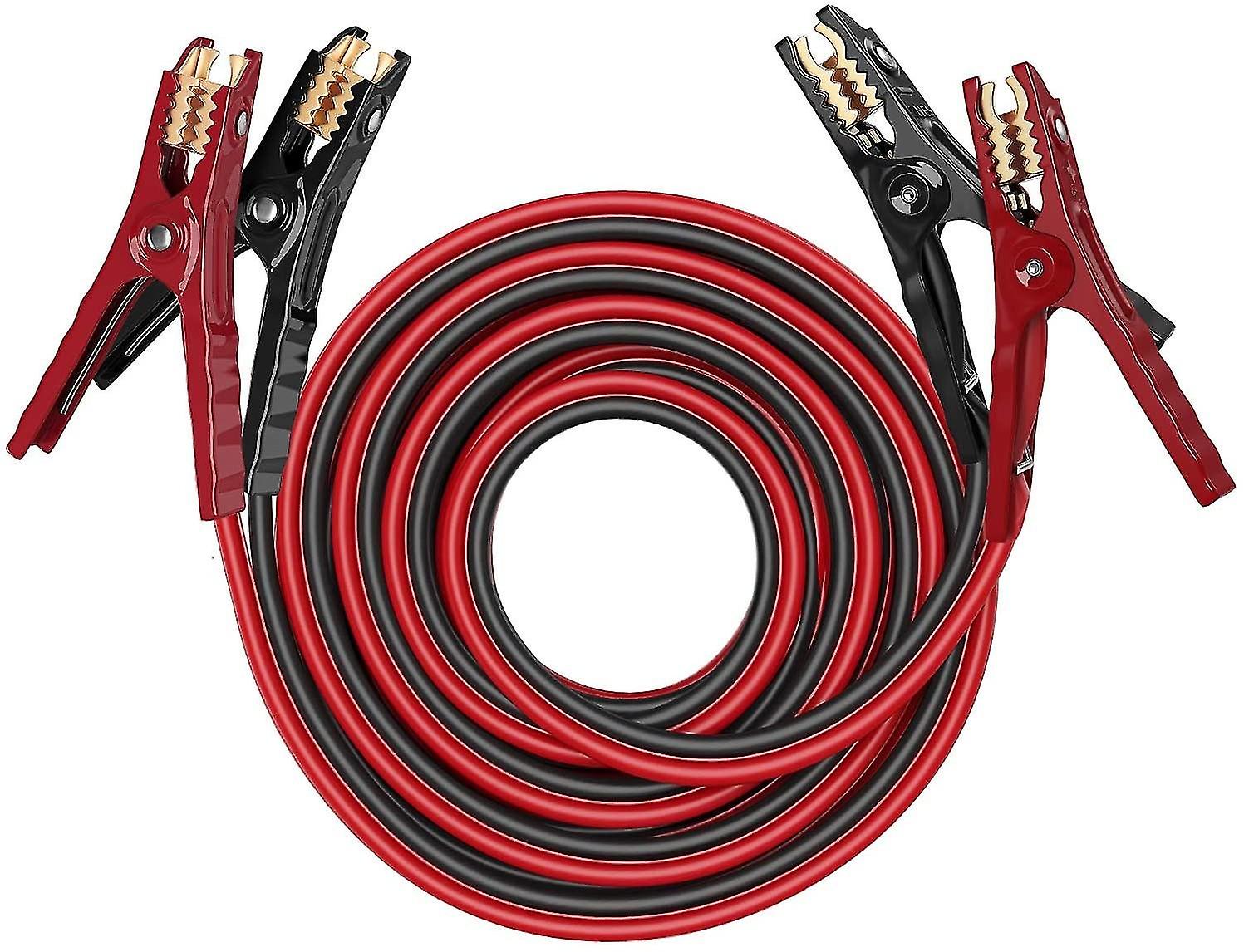
Jumper cables, booster cables or jumper leads are electric cables to connect two rail or road vehicles. Jumper cables are between the locomotive, the railroad cars and the cab car or the driving van trailer on push-pull trains for multiple-unit train control and the transmission of lower voltage electricity (head end power). Jumper cables are electrical cables between the road tractor and a semi-trailer or a full trailer or the electrical cables between an automobile and any trailer.

A car with a “dead” (discharged) battery can be made to start by supplying it with power from an external source, such as the battery of another car. The jump leads used to make the necessary temporary connection are also commonly called “jumper cables”. These usually are equipped at the ends with alligator clips.

ADVERTISEMENT

Things You’ll Need

  • A set of jumper cables
  • A functioning car (the donor vehicle) or a portable jump starter
  • Access to both car batteries

Step 1: Exposing the Batteries

1. Position the Cars Correctly

Park the donor car close enough to the dead car so that the jumper cables can reach both batteries. The cars can be side by side or face-to-face. Ensure the car batteries are accessible under the hood or, if not visible, consult the vehicle manual.

2. Engage Parking Brakes

Set the parking brakes on both vehicles to prevent movement during the jump-start process. For cars with manual transmissions, place the gear in neutral before engaging the emergency brake.

ADVERTISEMENT

3. Turn Off Both Cars

Shut off both engines completely and remove the keys from the ignitions to avoid electrical surges.

4. Inspect and Clean the Battery Terminals

Check the battery terminals for dirt, corrosion, or leaks. Clean them with a wire brush or aluminum foil if needed. Avoid jumping batteries with physical damage, as they may pose safety risks.

5. Identify Battery Terminals

Locate the positive (marked with “+” or red) and negative (marked with “-” or black) terminals on both batteries. Confirm their positions before proceeding.

ADVERTISEMENT

Step 2: Connecting the Cables

1. Attach the Red Clamp to the Dead Battery

Connect one red jumper cable clamp to the positive terminal of the dead battery. Ensure it is securely fastened to the metal terminal.

2. Attach the Other Red Clamp to the Donor Battery

Connect the second red clamp to the positive terminal of the donor car’s battery. Ensure a tight connection to prevent it from slipping.

3. Connect the Black Clamp to the Donor Battery

Attach one black jumper cable clamp to the negative terminal of the donor car’s battery.

4. Ground the Other Black Clamp on the Dead Car

Instead of connecting the black clamp to the negative terminal of the dead battery, attach it to an unpainted metal surface (e.g., a bolt on the engine block) at least a foot away from the battery. This reduces the risk of sparks igniting hydrogen gas from the battery.


Step 3: Starting the Cars

1. Start the Donor Car

Turn on the donor car and let the engine idle for 3–5 minutes. This will provide enough initial charge for the dead battery. You can rev the engine slightly (around 3,000 RPM) to increase power flow.

2. Start the Dead Car

Attempt to start the car with the dead battery. If it doesn’t start, wait a few more minutes and try again. Ensure all clamps are properly connected.

  • Lights but No Engine Start: Indicates a problem with the starter.
  • No Response: The battery may be severely damaged or another issue exists.

3. Let the Jumped Car Run

Once the dead car starts, allow it to idle for 10–15 minutes to charge the battery further.


Step 4: Disconnecting the Cables

1. Disconnect in Reverse Order

Carefully remove the cables in the following order:

  1. Black clamp from the grounded metal surface (dead car)
  2. Black clamp from the negative terminal (donor car)
  3. Red clamp from the positive terminal (donor car)
  4. Red clamp from the positive terminal (dead car)

2. Secure the Cables

Avoid allowing the clamps to touch each other or metal parts while removing them.

3. Drive the Jumped Car

Drive the car for at least 15 minutes to ensure the battery is fully charged.


Safety Tips

  • Always double-check terminal connections before starting the donor car.
  • Keep clamps away from each other to avoid short circuits.
  • Never jump a physically damaged or leaking battery.

Conclusion

Learning how to connect jumper cables to a dead car is a vital skill for any driver. With the proper steps and safety precautions, you can quickly and efficiently jump-start a vehicle and get back on the road.

Tags: How To
Share1Tweet1SendShareScanSharePinShareShare
Google Add as a Preferred Source on Google
Previous Post

How to Test a Fuse With a Multimeter

Next Post

How to Loosen Lug Nuts Safely and Effectively

NyongesaSande News Desk

NyongesaSande News Desk

Nyongesa Sande offers diverse content across news, technology, entertainment, and more, aiming to provide readers with a wide range of informative and engaging articles. NYONGESA SANDE's dedicated team provides our audience not only with the highly relevant news but also with outstanding interactive experience.

Related Posts

How to Weld a 2-Block Rectangular Hollow Block Mold: Measurements, Materials and Step-by-Step Guide
How To

How to Weld a 2-Block Rectangular Hollow Block Mold: Measurements, Materials and Step-by-Step Guide

2 months ago
How to Create a Facebook Account on iPhone App
How To

How to Fix Facebook Confirmation Email Not Received

2 months ago
How to Create a Facebook Account on iPhone App
How To

How to Fix Facebook Confirmation Code Not Received

2 months ago
How to Create a Facebook Account on iPhone App
How To

How to Confirm Your Facebook Email or Phone Number

2 months ago
How to Create a Facebook Account on iPhone App
How To

How to Understand Your Facebook Account and Profiles

2 months ago
How to Create a Facebook Account on iPhone App
How To

How to Fix Facebook Name Not Accepted

2 months ago
Load More
Next Post
How to Loosen Lug Nuts Safely and Effectively

How to Loosen Lug Nuts Safely and Effectively

How to Set and Use a Torque Wrench

How to Calibrate a Torque Wrench: A Step-by-Step Guide

ADVERTISEMENT

Who We Are

Nyongesa Sande

NyongesaSande.com is a digital news and media platform covering breaking news, business, technology, AI, politics, sports, world affairs and African innovation.

News Sections

  • News
    • World
    • Africa
  • Politics
  • Business
  • Tech
  • AI
  • Telecom
  • Sports
  • Opinion
  • Lifestyle
  • Live
  • World Cup 2026
    • World Cup 2026 Standings
    • World Cup 2026

Editorial Standards

  • Editorial Policy
  • Fact Checking Policy
  • Corrections Policy
  • Ethics Policy
  • AI Usage Policy
  • News Tips
  • Submit Press Release

Legal

  • Privacy Policy
  • Terms of Use
  • Cookie Policy
  • Risk Disclaimer
  • Disclaimer
  • DMCA
  • Ad Choices

Our Company

  • About Us
    • Nyosake Designers
      • Nyosake Webmasters
      • Nyosake Investment
  • Contact Us
    • Newsroom Contact
  • Ownership Disclosure
  • Advertise
  • Privacy Policy
  • Terms of Use
  • Cookie Policy
  • Risk Disclaimer
  • Disclaimer
  • DMCA
  • Ad Choices

NyongesaSande.com is an independent digital news and media platform covering Africa, business, technology, AI, politics and global developments.

© 2026 NyongesaSande.com. All rights reserved.

No Result
View All Result
  • News
    • World
    • Africa
  • Politics
  • Business
  • Tech
  • AI
  • Telecom
  • Sports
  • Opinion
  • Lifestyle
  • Live
  • World Cup 2026
    • World Cup 2026 Standings
    • World Cup 2026

NyongesaSande.com is an independent digital news and media platform covering Africa, business, technology, AI, politics and global developments.

© 2026 NyongesaSande.com. All rights reserved.