


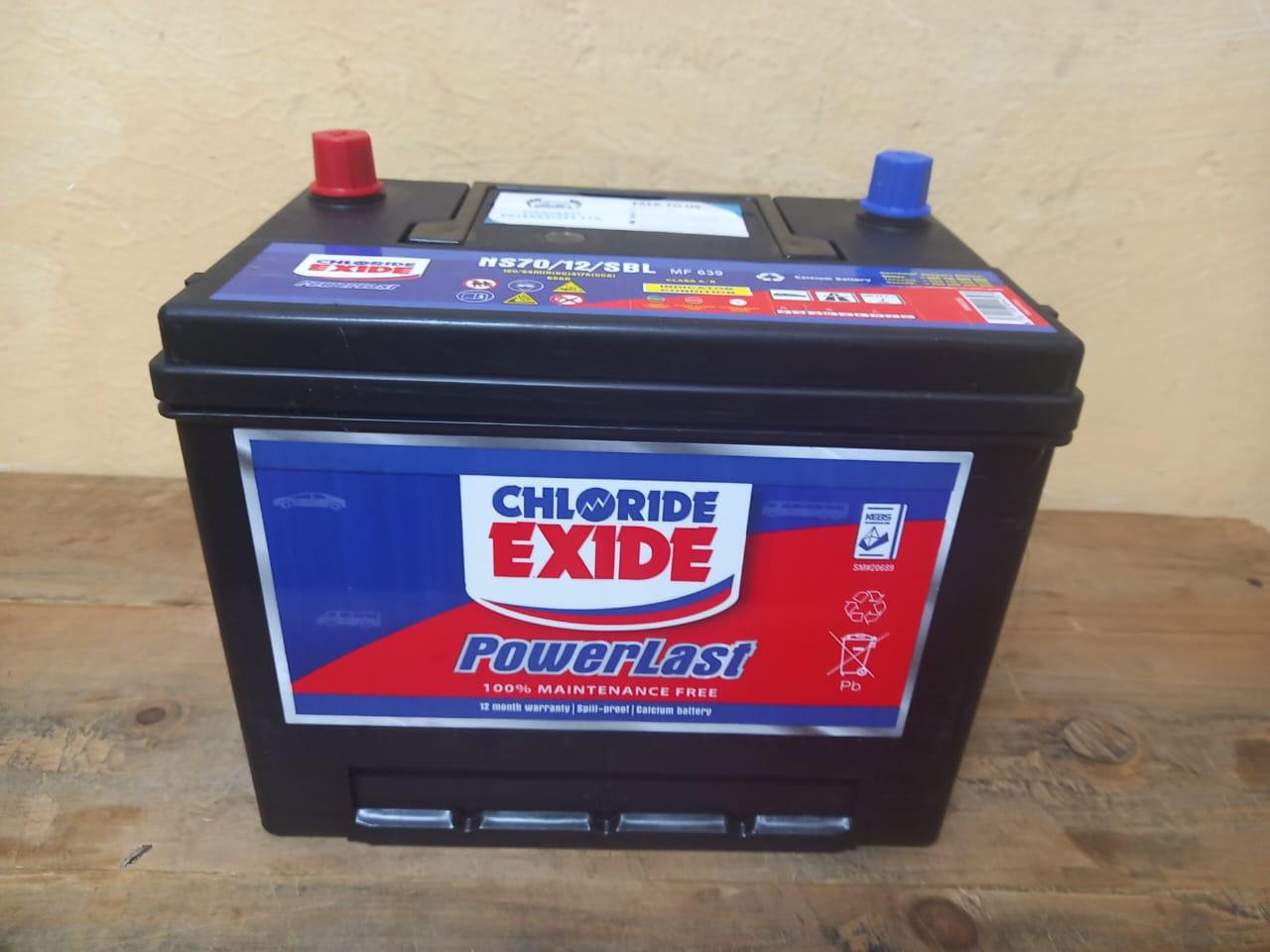
Battery terminals often accumulate dirt and corrosion, leading to poor electrical connections and reduced battery performance. How to Clean Battery Terminals. Whether dealing with a car battery or household batteries, cleaning the terminals is essential for maintaining optimal function and longevity. This guide walks you through the process of cleaning terminals effectively and safely.
What are battery terminals?
Battery terminals are the electrical contacts used to connect your car to your battery. These terminals can come in a wide variety of shapes and sizes. How to Clean Battery Terminals
Car batteries typically have one of 5 types of terminals:
-SAE Post – two lead posts (shaped like a cone with the top cut off) on top of the battery
-JIS Post – two lead posts but smaller than the SAE post.
The positive terminal will always be larger than the negative terminal on both the SAE and JIS type post.
-Side Post Battery terminals – two recessed threads into which bolts, or battery terminal adapters are to be attached. These sockets are the same size for both negative and positive.
-L Terminals – as per the name, L shaped posts with a hole through the vertical side. Typically used on European Cars, Motorcycles and Lawn mowers.
Stud – these are threaded stud. Sometimes the positive and negative are different diameter sizes but usually they’re the same.
Marine batteries typically have 4 posts, a pair of threaded posts for both the positive and negative terminals and a pair of SAE posts (as above) .
There are 4 main types of battery configurations:
- positive on left and negative on the right corner on the long side of the battery
- negative on the left and positive on the right corner on the long side of the battery
- positive on left and negative on the right corner on the short side of the battery
- Negative on left and positive on the right corner on the short of the battery
Why Cleaning Battery Terminals Is Important
Dirty or corroded battery terminals can disrupt the electrical connection, causing issues like:
- Poor vehicle starting performance.
- Reduced lifespan of the battery.
- Leakage of corrosive acids, which can damage surrounding components.
Routine cleaning of battery terminals ensures better performance and safety, ultimately saving you time and money.
Method 1: Cleaning Car Battery Terminals
Step 1: Open the Hood and Assess the Battery
- Open the hood of your car and locate the battery, usually on the front-left side of the engine compartment.
- Check the battery for cracks or leaks. Replace the battery if it is damaged.
Step 2: Inspect for Corrosion
- Corrosion appears as a white, ashy deposit around the terminals.
- If the corrosion is minor, proceed with cleaning. For extensive damage, consider replacing cables and clamps.
Step 3: Disconnect the Battery
- Use a wrench to loosen the clamps.
- Disconnect the negative terminal (marked “-”) first, followed by the positive terminal (marked “+”).Caution: Avoid touching the wrench to metal parts of the car while working to prevent short circuits.
Step 4: Prepare a Cleaning Solution
- Mix 2–3 tablespoons of baking soda with 1 tablespoon of water to create a thick paste.
Step 5: Apply the Solution
- Dip an old toothbrush or cloth into the paste and apply it generously to the corroded terminals.
- Let the mixture sit for 5–10 minutes to neutralize the acid buildup.
Step 6: Scrape Off Deposits
- Use a butter knife or wire brush to gently scrape away the corrosion.
- For stubborn areas, scrub with steel wool or a specialized battery cleaning brush.Tip: Wear vinyl gloves to protect your hands from contact with the caustic deposits.
Step 7: Rinse and Dry
- Rinse the terminals with distilled water to remove residue. Avoid letting water enter the battery vents.
- Wipe the terminals dry with a clean, lint-free cloth.
Step 8: Prevent Future Corrosion
- Apply a thin layer of petroleum jelly to the terminals to protect them from moisture and corrosion.
Step 9: Reattach the Battery
- Connect the positive clamp first, then the negative clamp.
- Tighten the clamps securely with a wrench.
Method 2: Cleaning Household Battery Terminals
Step 1: Inspect the Battery and Cradle
- Remove the batteries from the device and check for corrosion or leaks.
- Replace leaking batteries immediately as they can release harmful potassium hydroxide.
Step 2: Create a Cleaning Paste
- Combine 2–3 tablespoons of baking soda with 1 tablespoon of water to make a paste.
Step 3: Apply the Paste
- Use a cotton swab to apply the paste to the corroded terminals inside the battery cradle and on the battery ends.
- Let the paste sit for 5 minutes.
Step 4: Wipe and Rinse
- Use a clean cotton swab dipped in distilled water to wipe away the paste and corrosion.
- Allow the battery cradle and terminals to dry completely for 15–20 minutes.
Step 5: Reinstall the Batteries
- Place the cleaned batteries back into the cradle, ensuring proper alignment of the positive (+) and negative (-) ends.
Safety Tips
- Wear gloves: Always use vinyl gloves to avoid skin irritation from corrosive materials.
- Avoid metal contact: Remove jewelry like rings and watches to prevent accidental shocks.
- Use proper cleaning agents: Stick to baking soda or commercial battery cleaners; avoid household cleaners that can damage the battery.
FAQs
How often should I clean car battery terminals?
Every six months or during routine vehicle maintenance.
Can I use vinegar instead of baking soda?
Yes, vinegar can dissolve corrosion, but baking soda is preferred for its neutralizing properties.
What should I do if corrosion keeps recurring?
Apply an anti-corrosion spray or use battery terminal protectors.
By regularly cleaning your battery terminals, you can enhance performance, prevent damage, and extend the lifespan of your battery. With these simple steps, maintaining clean and functional battery connections has never been easier!


