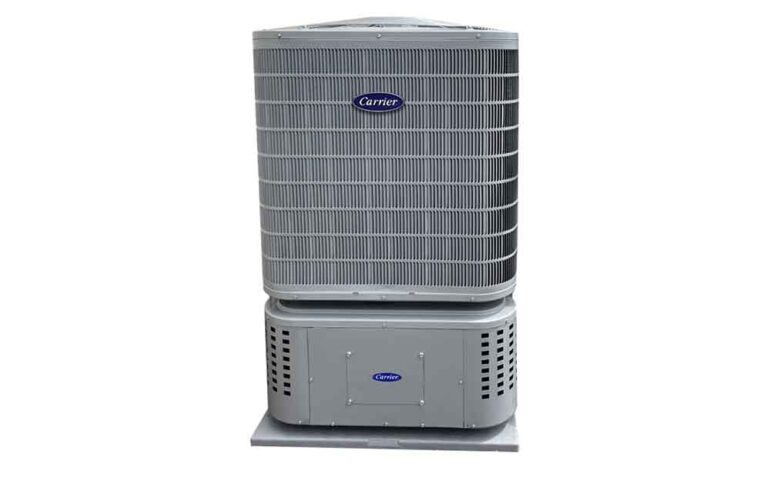
NEW YORK — Carrier Global Corp. has launched the largest field trial in its 123-year history, testing battery-enabled HVAC systems across the United States in partnership with utilities and the Electric Power Research Institute (EPRI). The initiative aims to evaluate the potential of residential HVAC systems to serve as active grid resources rather than passive energy consumers.
The trial, now underway with select households in diverse U.S. climates, measures the effectiveness of load shifting, demand response, and emissions reduction. Data insights provided by EPRI will help Carrier refine its next-generation Home Energy Management System (HEMS).
Turning HVAC Into a Grid Asset
By pairing variable-speed heat pumps with integrated battery storage, Carrier’s system is designed to:
- Shift HVAC energy use from peak to off-peak periods by charging batteries during low-demand hours.
- Maintain cooling comfort during high-demand periods without straining the grid.
- Support renewable integration by optimizing charging during times of high renewable generation.
- Provide flexible load capacity for utilities, helping to defer costly infrastructure investments.
Scaling Potential
Carrier estimates its installed residential base of over 30 million HVAC units represents 100 GW of flexible load capacity — more than 10% of total U.S. peak demand. Harnessing that capacity could help utilities smooth demand spikes, improve grid resilience, and accelerate the adoption of renewable energy.
Industry Implications
The trial underscores the growing role of residential energy systems in grid modernization and decarbonization strategies. By transforming air conditioners and heat pumps into energy storage-enabled assets, Carrier positions itself at the forefront of utility-customer integration.
If successful, the initiative could pave the way for widespread deployment of grid-responsive HVAC systems, reshaping the U.S. residential energy landscape while offering homeowners new cost-saving opportunities.