


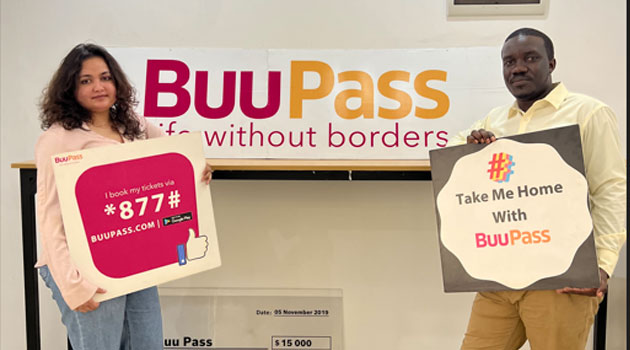
BuuPass funding tells the story of one of Kenya’s most visible travel technology companies. Founded in Kenya by Sonia Kabra and Wyclife Omondi, BuuPass built a digital marketplace for bus, shuttle and train bookings at a time when intercity transport across East Africa was still heavily offline.
The company operates across transportation, e-commerce, ticket sales, payments and travel. Its platform allows passengers to search, compare and book tickets through digital channels, while transport operators gain tools to manage inventory, seats, sales and customer access.
BuuPass is best known for making bus and train ticketing easier in Kenya, but its ambitions are wider. Public reports describe the company as a B2B2C mobility platform that serves passengers directly while also helping transport operators digitize their operations. Its service is available through web, app and USSD channels, which matters in markets where smartphone access, mobile money usage and offline customer habits vary widely.
The company’s funding history includes pre-seed, seed, equity funding and strategic investment. Known backers include Yango Ventures, MSISV, Founders Factory Africa, FrontEnd Ventures, Adaverse Accelerator, XA Network, Google Black Founders Fund, Ajim Capital, Renew Capital, Five35 Ventures, Artha Venture Fund, Daba Finance, ChangeCom, HoaQ and others.
BuuPass funding matters because public transport in Africa is large, fragmented and still under-digitized. The company is trying to organize that market through online booking, payments and operator software.
What Is BuuPass Inc?
BuuPass Inc is a Kenyan travel technology company that provides a digital marketplace for bus, shuttle and train bookings. Its public-facing platform allows passengers to book tickets online, compare travel options and pay through methods such as mobile money and cards.
The company’s own booking platform highlights flexible payments, including M-PESA, Airtel Money, Mastercard and Visa. It also presents BuuPass as a convenient way to book bus trips from home, school, office or market, with customer support through phone, chat and email.
BuuPass is not only a passenger booking website. It also provides digital solutions for transport operators. These tools can help bus companies manage ticket inventory, improve seat visibility, reduce manual booking friction and reach more customers.
| Sector | Why It Matters to BuuPass |
|---|---|
| Transportation | BuuPass serves bus, shuttle, train and wider mobility customers. |
| E-commerce | The company lets customers buy travel tickets digitally. |
| Ticket Sales | Ticketing is the core transaction layer of the platform. |
| Payments | Mobile money, cards and digital payments make booking easier. |
| Travel | BuuPass helps passengers plan and reserve intercity trips. |
| SaaS | Operator tools help transport companies digitize operations. |
| Marketplaces | BuuPass connects passengers with multiple transport providers. |
This makes BuuPass a travel marketplace and transport digitization company at the same time.
Why BuuPass Funding Matters
BuuPass funding matters because intercity travel in Africa is a major daily need but often remains difficult to book, compare and manage. Many passengers still rely on station visits, phone calls, agents or last-minute ticket purchases. Operators also face challenges around seat inventory, cash handling, demand forecasting and customer acquisition.
A digital ticketing platform can solve several of these problems.
For passengers, it improves convenience. They can compare prices, choose seats and pay before reaching the terminal. For operators, it creates better sales visibility and helps fill seats more efficiently. For the wider transport ecosystem, it can reduce fraud, improve planning and create more data around travel demand.
The 2023 pre-seed round was especially important because it gave BuuPass capital to scale mobility sector digitization in Africa. TechCrunch reported that BuuPass raised $1.3 million from investors including Founders Factory Africa, FrontEnd Ventures, Adaverse, Gullit, Five35, Renew Capital, ChangeCom, XA Network, Ajim Capital, Artha Ventures, Daba Finance, Google Black Founders Fund and angels.
Later, Yango Ventures’ 2025 strategic investment gave BuuPass additional backing from a mobility-focused corporate venture investor. That funding was positioned around helping BuuPass expand African travel booking services and strengthen intercity mobility digitization.
Full List of BuuPass Funding and Investor Activity
BuuPass has attracted capital from venture investors, accelerators, angel networks, strategic backers and non-dilutive support programs.
| Investor / Funder | Announced Date | Amount | Main Category | Strategic Value |
|---|---|---|---|---|
| MSISV | Sep 2025 | $250K | Seed | Supports platform growth and travel marketplace expansion. |
| Yango Ventures | Jul 2025 | Undisclosed | Strategic Funding | Supports African mobility expansion and travel booking scale. |
| A54 | Feb 2023 | Part of $1.3M round | Pre-seed | Supports mobility marketplace growth. |
| Daba Finance | Feb 2023 | Part of $1.3M round | Pre-seed | Adds African investment marketplace support. |
| Artha Venture Fund | Feb 2023 | Part of $1.3M round | Pre-seed | Supports early-stage expansion. |
| ChangeCom | Feb 2023 | Part of $1.3M round | Pre-seed | Adds early-stage support. |
| Adaverse Accelerator | Feb 2023 | Part of $1.3M round | Pre-seed | Supports digital commerce and platform growth. |
| XA Network | Feb 2023 | Part of $1.3M round | Pre-seed / Equity | Adds angel and operator network support. |
| Google Black Founders Fund | Feb 2023 | Part of $1.3M round / non-dilutive support | Pre-seed / Grant Support | Supports Black-led startup growth, cloud resources and mentorship. |
| Ajim Capital | Feb 2023 | Part of $1.3M round | Pre-seed | Supports African early-stage startups. |
| Renew Capital | Feb 2023 | Part of $1.3M round | Pre-seed | Supports intercity travel digitization and marketplace growth. |
| Five35 Ventures | Feb 2023 | Part of $1.3M round | Pre-seed | Adds gender-lens and African venture support. |
| FrontEnd Ventures | Feb 2023 | Part of $1.3M round | Pre-seed | Supports traveltech and marketplace expansion. |
| Founders Factory Africa | Feb 2023 | Equity / Pre-seed | Venture Builder / Equity Funding | Supports product development, operations and scaling. |
| HoaQ | Jan 2021 | Undisclosed | Pre-seed | Early-stage African founder support. |
The clearest disclosed round is the $1.3 million pre-seed funding announced in February 2023. Startup funding databases also list BuuPass as having raised $250,000 in seed funding in September 2025, with total funding shown at about $2.7 million.
BuuPass Funding Timeline
2016: Founded to Digitize Travel Booking
BuuPass was founded in Kenya to make intercity transport booking easier. The company started with a clear problem: passengers needed a better way to find and book bus, shuttle and train tickets, while operators needed better digital tools to manage bookings.
This early focus gave BuuPass a practical market entry point. Instead of trying to replace transport operators, it helped them sell tickets more efficiently.
2021: Early Investor Support
In January 2021, HoaQ and XA Network are listed among early backers. This stage helped BuuPass continue building its travel marketplace and improve its platform before the larger 2023 round.
Early investor support matters in marketplace businesses because platforms must build both sides at once: passengers and operators. Without enough operators, passengers have limited choice. Without enough passengers, operators may not see value.
2023: $1.3 Million Pre-Seed Round
In February 2023, BuuPass raised $1.3 million in pre-seed funding. The round included Founders Factory Africa, FrontEnd Ventures, Adaverse, Gullit, Five35, Renew Capital, ChangeCom, XA Network, Ajim Capital, Artha Ventures, Daba Finance, Google Black Founders Fund and angel investors.
The funding was designed to help BuuPass scale mobility sector digitization in Africa. This was a major milestone because it gave the company capital to expand beyond early operations and strengthen both its consumer and operator products.
2023: QuickBus Acquisition
Public reports later noted that BuuPass acquired QuickBus, a ticketing venture with operations beyond Kenya. This move expanded BuuPass’ footprint and positioned it for wider African growth.
The acquisition matters because travel marketplaces benefit from scale. A larger operator network and wider route coverage can make the platform more valuable to passengers.
2025: Strategic Funding From Yango Ventures
In July 2025, BuuPass secured strategic funding from Yango Ventures, the corporate venture arm of Yango Group. The amount was not disclosed, but the deal was positioned around helping BuuPass expand intercity transport digitization across Africa.
This strategic funding is important because Yango operates in mobility and technology. Its backing can offer more than capital, including operational knowledge, market insight and platform-building experience.
2025: Seed Funding From MSISV
In September 2025, BuuPass is listed as receiving $250,000 in seed funding from MSISV. This adds another disclosed funding event to the company’s growth story and supports continued marketplace expansion.
Biggest BuuPass Funding Rounds by Deal Value
BuuPass’ largest disclosed funding event remains its February 2023 pre-seed round.
| Rank | Funding Event | Announced Date | Deal Value | Strategic Area |
|---|---|---|---|---|
| 1 | Pre-seed round with Founders Factory Africa, Google Black Founders Fund and others | Feb 2023 | $1.3M | Mobility digitization, ticketing marketplace growth and operator tools |
| 2 | Yango Ventures strategic investment | Jul 2025 | Undisclosed | African expansion and intercity mobility digitization |
| 3 | MSISV seed funding | Sep 2025 | $250K | Platform growth and seed-stage expansion |
| 4 | Founders Factory Africa equity funding | Feb 2023 | Undisclosed portion of round | Product development and venture-building support |
| 5 | Early pre-seed and angel support | 2021 onward | Undisclosed | Early platform development and marketplace validation |
The $1.3 million pre-seed round was important because it supported the company’s move from promising travel platform to a broader mobility digitization business.
Most Common Funding Categories
BuuPass’ funding profile reflects a travel marketplace with fintech, SaaS and mobility characteristics.
| Funding Category | Examples of Investors | Strategic Role |
|---|---|---|
| Pre-seed Funding | Founders Factory Africa, FrontEnd Ventures, Adaverse, Five35, Renew Capital, Ajim Capital, Artha Ventures, Daba Finance | Supports early expansion, technology and marketplace growth. |
| Strategic Funding | Yango Ventures | Supports mobility expertise and African expansion. |
| Seed Funding | MSISV | Supports continued platform scale. |
| Equity Funding | Founders Factory Africa, XA Network | Supports company building and investor network access. |
| Grant / Non-Dilutive Support | Google Black Founders Fund | Supports technology, cloud resources and founder development. |
| Marketplace Growth Capital | Multiple early-stage investors | Supports passenger acquisition and operator onboarding. |
This funding mix fits BuuPass because travel marketplaces need both technology and field execution. The company must build software, onboard transport operators, integrate payments, manage customer support and grow passenger trust.
Strategic Lessons From BuuPass Funding
Transport Marketplaces Need Both Sides
BuuPass funding shows that travel marketplaces must win passengers and operators together. Passengers need reliable routes and operators. Operators need real demand and better sales tools.
A marketplace fails if one side grows without the other.
Payments Are Central to Travel Digitization
Ticket booking is not complete until payment is easy. BuuPass supports mobile money and card payments, which makes the platform practical for Kenyan customers.
This is important because transport operators often rely on cash. Digital payments improve convenience and can reduce reconciliation problems.
USSD Matters in African Traveltech
BuuPass’ reported use of web, app and USSD channels is strategically important. Not every customer wants to use a smartphone app. USSD can support wider access, especially for customers with basic phones or limited data.
Strategic Investors Can Support Regional Scale
Yango Ventures’ participation matters because mobility platforms benefit from operational experience. Expansion into new countries requires local partners, route data, payments, operator relationships and customer trust.
How BuuPass Funding Fits Its Business Model
BuuPass’ business model depends on ticket sales, operator partnerships and digital travel infrastructure. The company earns value by connecting passengers with transport operators and making booking easier.
Funding supports this model in several ways.
First, it supports technology development. BuuPass needs reliable booking systems, seat maps, payment integrations, operator dashboards and customer support tools.
Second, capital helps onboard transport operators. Operators may need training, integration support and confidence before moving from manual booking to digital inventory.
Third, funding supports marketing. Passengers must trust the platform before they book travel through it.
Fourth, capital supports expansion. Each new market requires route supply, payment methods, customer service and transport partnerships.
Fifth, funding can support acquisitions. The QuickBus acquisition shows how BuuPass can expand by buying or integrating complementary travel platforms.
Financial and Ownership Context
BuuPass is a private company, so full financial statements are not publicly available. However, public reports provide useful operating context.
Several reports say BuuPass has processed more than 16 million travel tickets and generated more than $100 million in total value of goods sold since launch. These figures show meaningful marketplace traction, although they should be treated as company-reported operating metrics unless independently audited.
The company’s funding profile shows about $2.7 million in total funding across several rounds, including the $1.3 million pre-seed round and later seed funding.
For analysts, the key financial questions are commission rates, operator retention, booking volume, repeat usage, payment costs, customer acquisition costs and support expenses.
Competitive Impact of BuuPass Funding
BuuPass funding improves the company’s competitive position in several ways.
First, it gives BuuPass capital to expand its route network and operator base. The more routes it has, the more useful it becomes to passengers.
Second, funding supports better technology. In travel ticketing, reliability matters because passengers must trust that a paid ticket will be honored.
Third, the Yango Ventures investment strengthens BuuPass’ mobility credibility. It may also help the company learn from a global mobility technology operator.
Fourth, BuuPass’ QuickBus acquisition expanded its reach and gave it a stronger regional footprint.
Finally, investor backing improves trust with operators, payment partners and future funders.
BuuPass competes with manual booking offices, transport SACCOs, operator-owned booking systems, mobile money agents, travel aggregators and other ticketing platforms. Its advantage depends on route coverage, payment reliability, customer service and operator relationships.
Advantages of the Funding Strategy
Strong Market Need
Intercity transport is essential in Kenya and across Africa. Passengers need easier booking, and operators need better digital tools.
Multi-Channel Access
BuuPass can serve users through web, app and USSD, widening access beyond smartphone-only customers.
Digital Payments Integration
Mobile money and card payments make the platform convenient and practical.
Strategic Mobility Backing
Yango Ventures adds strategic relevance and mobility sector experience.
Regional Expansion Potential
The QuickBus acquisition and pan-African travel opportunity give BuuPass a path beyond Kenya.
Disadvantages of the Funding Strategy
Operator Adoption Risk
Some transport operators may resist digital systems or prefer manual ticketing.
Trust and Service Risk
If a customer books online and the operator fails to honor the ticket, BuuPass’ brand suffers.
Low Margin Pressure
Ticketing marketplaces often operate on commissions, which can be thin unless volume is high.
Competition From Operators
Large operators may build their own booking systems and reduce dependence on aggregators.
Market Fragmentation
African intercity transport is fragmented, with many operators, routes, payment habits and regulatory environments.
Case Studies of Major BuuPass Funding Events
$1.3 Million Pre-Seed Round
BuuPass’ February 2023 pre-seed round was its most important disclosed early funding milestone. The round brought together Founders Factory Africa, FrontEnd Ventures, Adaverse, Renew Capital, Google Black Founders Fund, XA Network and several other investors.
The round supported the company’s plan to scale mobility sector digitization across Africa.
Yango Ventures Strategic Investment
Yango Ventures’ 2025 investment is strategically important because it connects BuuPass to a mobility-focused corporate venture investor. Public reports said BuuPass had already raised $1.3 million in pre-seed funding, acquired QuickBus and was expanding its African travel booking ambitions before the Yango investment.
This funding supports BuuPass’ transition from Kenyan ticketing platform to broader African mobility marketplace.
QuickBus Acquisition
The QuickBus acquisition is a major strategic event because it expanded BuuPass’ footprint. Acquisitions can help marketplaces grow faster than organic operator onboarding alone.
For BuuPass, QuickBus added route coverage, market access and regional relevance.
Google Black Founders Fund Support
Google Black Founders Fund support matters because it provides more than money. Google says the program offered equity-free cash awards, mentorship, cloud credits and product support.
For a traveltech company, cloud and product support can improve reliability and scalability.
Common Mistakes When Analyzing BuuPass Funding
Treating BuuPass as Only a Ticketing Website
BuuPass is also an operator digitization platform. Its B2B tools are central to its long-term value.
Ignoring Offline Transport Realities
Digital booking must work with real buses, stations, operators, delays and customer service issues.
Looking Only at Passenger Downloads
Bookings, repeat usage, operator retention and transaction value matter more than app installs alone.
Underestimating Payment Complexity
Digital ticketing depends on reliable payments, refunds, reconciliation and fraud control.
Assuming Every Market Works Like Kenya
Expansion into new African markets requires local operator relationships, payment integrations and regulatory understanding.
Lessons for Business Owners and Investors
BuuPass offers several lessons.
First, large offline markets create digital opportunities when customer pain is clear.
Second, marketplaces must build trust on both sides. Passengers and operators must both benefit.
Third, payments are not a side feature. They are central to ticketing conversion.
Fourth, strategic investors can help startups expand smarter when the investor understands the sector.
Finally, transport digitization is operationally demanding. Software must match real-world travel behavior.
Key Takeaways
- BuuPass is a Kenyan digital marketplace for bus, shuttle and train bookings.
- The company operates across transportation, e-commerce, ticket sales, payments and travel.
- BuuPass serves passengers and transport operators through a B2B2C model.
- The platform supports web, app and USSD access.
- BuuPass supports payments through mobile money and cards.
- BuuPass raised $1.3 million in pre-seed funding in February 2023.
- Investors included Founders Factory Africa, Google Black Founders Fund, FrontEnd Ventures, Renew Capital, XA Network and others.
- BuuPass acquired QuickBus to expand its regional footprint.
- Yango Ventures made a strategic investment in BuuPass in July 2025.
- MSISV is listed as investing $250,000 in seed funding in September 2025.
- Public reports say BuuPass has processed more than 16 million tickets and generated more than $100 million in gross merchandise value.
- BuuPass’ growth depends on operator partnerships, payment reliability, customer trust, route coverage and regional execution.
Frequently Asked Questions
What is BuuPass?
BuuPass is a Kenyan travel technology company that provides a digital marketplace for booking bus, shuttle and train tickets.
When was BuuPass founded?
BuuPass was founded in Kenya by Sonia Kabra and Wyclife Omondi. Public reports commonly place its founding around 2016.
Where is BuuPass based?
BuuPass is based in Nairobi, Kenya.
What does BuuPass do?
BuuPass allows passengers to search, compare, book and pay for travel tickets while giving transport operators tools to manage inventory and bookings.
What is BuuPass funding?
BuuPass funding refers to the capital raised by the company through pre-seed, seed, equity and strategic investment to expand its travel marketplace and transport digitization platform.
How much did BuuPass raise in 2023?
BuuPass raised $1.3 million in pre-seed funding in February 2023.
Who invested in BuuPass’ pre-seed round?
Investors included Founders Factory Africa, FrontEnd Ventures, Adaverse, Gullit, Five35, Renew Capital, ChangeCom, XA Network, Ajim Capital, Artha Ventures, Daba Finance, Google Black Founders Fund and angel investors.
Who invested in BuuPass in 2025?
Yango Ventures made a strategic investment in BuuPass in July 2025, while MSISV is listed as providing $250,000 in seed funding in September 2025.
What did BuuPass acquire?
BuuPass acquired QuickBus, a travel ticketing venture, to expand its African footprint.
How do customers pay on BuuPass?
BuuPass supports payments through M-PESA, Airtel Money, Mastercard, Visa and other digital payment methods.
Is BuuPass only for buses?
BuuPass is best known for bus booking, but its platform also supports train bookings and wider travel services.
What are BuuPass’ main risks?
BuuPass’ main risks include operator adoption, ticket fulfillment, low margins, payment disputes, market fragmentation, competition and regional execution challenges.
Conclusion
BuuPass funding shows how Kenya’s travel technology market is moving from manual ticketing toward digital transport infrastructure. Founded by Sonia Kabra and Wyclife Omondi, BuuPass has built a marketplace that helps passengers book bus, shuttle and train tickets while giving operators better tools to manage sales and inventory.
The company’s $1.3 million pre-seed round in 2023 helped it scale mobility digitization, while its QuickBus acquisition expanded its regional footprint. Yango Ventures’ 2025 strategic investment added mobility-sector backing at a time when BuuPass was positioning itself for wider African expansion.
The opportunity is large. Millions of African travelers still depend on intercity buses, shuttles and trains, yet booking remains fragmented in many markets. A trusted digital marketplace can improve convenience for passengers and revenue visibility for operators.
The challenge is execution. BuuPass must maintain reliable operator partnerships, smooth payments, accurate inventory, strong customer support and market-specific expansion strategies.
For business owners, investors and transport analysts, BuuPass funding offers a clear lesson. The future of African travel will not be built only by vehicles and roads. It will also be built by digital platforms that make booking, payments and transport operations easier for everyone in the journey.
Disclaimer: This article is for informational and educational purposes only. It is not investment advice, financial advice, or a recommendation to buy or sell any security. Always conduct your own research and consider speaking with a qualified financial adviser before making investment decisions.
Read Also: BitPesa Funding: How BTC Africa Built Its Cross-Border Payments Business


