


Revital Healthcare funding tells the story of a Kenyan medical manufacturing company that moved into a strategically important position in Africa’s healthcare supply chain. Founded in 2006 and based near Mombasa, Revital Healthcare operates in manufacturing, health and medical products, and medical equipment.
The company has raised more than $4 million from three listed investors: the Bill & Melinda Gates Foundation, Asia Africa Investment and Consulting, and Ohara Pharmaceuticals. Its most prominent disclosed funding was a nearly $4 million grant from the Bill & Melinda Gates Foundation to expand production of auto-disable vaccine syringes. That support was designed to help Revital increase production from about 72 million syringes annually to nearly 265 million by the end of 2022.
Revital Healthcare matters because medical supply chains are not abstract. During the COVID-19 vaccine rollout, the world saw how critical syringes, diagnostics, personal protective equipment, and basic medical consumables can become. Countries without local or regional production capacity often face delays, high costs, and dependence on foreign suppliers.
Revital’s growth shows why African medical manufacturing is now a strategic priority. The company is not only producing medical equipment. It is helping demonstrate that African manufacturers can contribute directly to vaccine delivery, routine immunization, diagnostics, and health system resilience.
What Is Revital Healthcare?
Revital Healthcare, officially Revital Healthcare (EPZ) Limited, is a Kenyan medical supply manufacturer headquartered in Kilifi, near the port city of Mombasa. The company manufactures medical devices and consumables, including syringes and other healthcare products. Gates Foundation coverage described Revital as a Kenyan medical device manufacturer producing auto-disable syringes in Africa.
The company operates in several related sectors:
| Category | Role in Revital Healthcare’s Model |
|---|---|
| Manufacturing | Produces medical devices and healthcare consumables. |
| Health/Medical | Serves hospitals, immunization programmes, clinics, and health buyers. |
| Medical Equipment | Manufactures devices used in healthcare delivery. |
| Vaccine Delivery | Produces auto-disable syringes used in immunization programmes. |
| Diagnostics | Investor materials link Revital’s expansion to rapid diagnostic test kits and laboratory consumables. |
| African Health Supply Chains | Supports regional production and reduces import dependence. |
Revital’s location also matters. Being based near Mombasa gives the company access to one of East Africa’s most important port and logistics corridors. That can support raw material importation, regional distribution, and export potential.
Why Revital Healthcare Funding Matters
Revital Healthcare funding matters because Africa has historically depended heavily on imported medical devices and consumables. That dependence can become dangerous during global emergencies, when richer markets may secure supplies first and lower-income regions face shortages.
The nearly $4 million Gates Foundation grant was aimed at expanding Revital’s auto-disable syringe capacity at a time when vaccine delivery was under pressure. The grant was expected to help increase output from about 72 million units per year to nearly 265 million annually, enough to cover more than half of Africa’s routine immunization needs.
This is important for three reasons.
First, syringes are essential to vaccination. Vaccines cannot reach patients safely without the right delivery tools.
Second, auto-disable syringes are designed to prevent reuse, which supports safer immunization programmes.
Third, local manufacturing reduces exposure to global supply shocks, shipping delays, and price volatility.
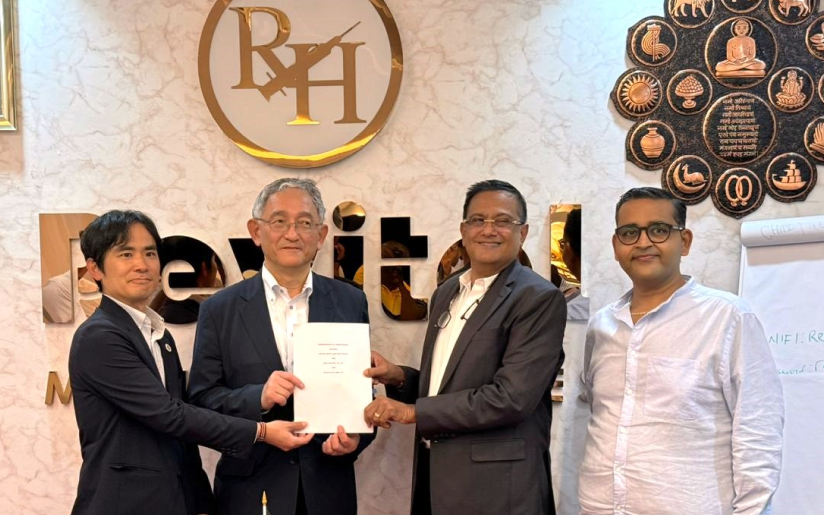
Revital’s funding also matters because it shows how grants, strategic investment, and international partnerships can strengthen African manufacturing. In December 2021, Asia Africa Investment and Consulting and Ohara Pharmaceutical invested in Revital to enhance medical device production and expand its product portfolio, including auto-disable vaccine syringes.
Full List of Revital Healthcare Funding Rounds
Revital Healthcare’s available funding history includes grant support and seed-stage strategic investment.
| Investor or Partner | Announced Date | Amount | Funding Type | Strategic Value |
| Bill & Melinda Gates Foundation | Nov 2022 | $4.0m | Grant | Supports expansion of auto-disable vaccine syringe production and African immunization supply resilience. |
| Asia Africa Investment & Consulting | Dec 2021 | Undisclosed | Seed / Strategic Investment | Supports medical device production capacity and product portfolio expansion. |
| Ohara Pharmaceuticals | Dec 2021 | Undisclosed | Seed / Strategic Investment | Supports collaboration in medical consumables and African healthcare manufacturing. |
The available profile lists over $4 million in funding from three investors. Public reporting also described the combined AAIC and Ohara investment as a $3 million injection into Revital Healthcare, but the supplied funding profile does not break that amount down by investor.
Revital Healthcare Funding Timeline
2006: Founded in Kenya’s Coastal Manufacturing Corridor
Revital Healthcare was founded in 2006. Its base near Mombasa placed it in a strategic location for medical manufacturing, logistics, imports, and exports.
Building a medical device manufacturing business requires patience. The sector demands equipment, quality systems, regulatory compliance, product testing, reliable raw materials, skilled staff, and long-term buyer relationships.
Revital’s long operating history matters because medical manufacturing credibility is built over time. Buyers need confidence that products are safe, consistent, and compliant with health standards.
2021: Strategic Investment From AAIC and Ohara Pharmaceuticals
In December 2021, Revital Healthcare received investment from Asia Africa Investment and Consulting and Ohara Pharmaceutical. The investment was intended to enhance production of medical devices, including auto-disable vaccine syringes, and expand Revital’s product portfolio to address shortages of medical devices in Africa and globally.
The timing was important. COVID-19 had exposed serious weaknesses in global medical supply chains. Vaccine campaigns required not only doses, but also syringes, safety boxes, cold-chain capacity, and trained health workers.
AAIC and Ohara’s backing signaled investor confidence in Revital’s ability to help close part of Africa’s medical device manufacturing gap.
2022: Gates Foundation Grant to Expand Syringe Production
In November 2022, Revital Healthcare announced close to $4 million in funding from the Bill & Melinda Gates Foundation. The grant supported expansion of auto-disable vaccine syringe production from around 72 million units annually to nearly 265 million units by the end of 2022.
This was Revital’s most important disclosed funding milestone. The grant connected the company directly to vaccine delivery, immunization safety, and African health supply resilience.
The Gates Foundation later noted that Revital was on track to produce 300 million auto-disable syringes a year, describing it as a major step toward African self-reliance in supplying a vital medical commodity.
2024: Expansion Into Diagnostics and New Medical Products
A 2024 Ohara Pharmaceuticals update described Revital as a leading African manufacturer producing medical devices such as syringes and test kits. It also referred to plans to expand new manufacturing facilities for rapid diagnostic test kits and other medical products.
This matters because Revital’s long-term opportunity is not limited to syringes. Africa needs regional manufacturing capacity across diagnostics, laboratory consumables, injection safety products, and other essential medical supplies.
Biggest Revital Healthcare Funding Rounds by Known Value
Revital Healthcare’s largest disclosed funding milestone is the Gates Foundation grant.
| Rank | Investor or Partner | Date | Amount | Funding Type |
| 1 | Bill & Melinda Gates Foundation | Nov 2022 | $4.0m | Grant |
| 2 | Asia Africa Investment & Consulting and Ohara Pharmaceuticals | Dec 2021 | Reported $3.0m combined | Strategic Investment |
| 3 | Asia Africa Investment & Consulting | Dec 2021 | Undisclosed in profile | Seed |
| 4 | Ohara Pharmaceuticals | Dec 2021 | Undisclosed in profile | Seed |
The Gates Foundation grant stands out because it directly supported production expansion at a moment of high global demand for vaccine syringes. The AAIC and Ohara investment was also strategically important because it linked Revital to Japanese healthcare investment and medical device manufacturing expertise.
Most Common Funding Categories
Revital Healthcare’s funding profile includes grant support and strategic seed investment.
| Funding Category | Role in Revital Healthcare’s Growth |
| Grant Funding | Supports capacity expansion for public health priorities, especially vaccine syringe production. |
| Strategic Investment | Adds capital, expertise, and manufacturing partnerships. |
| Healthcare Manufacturing Finance | Supports equipment, facilities, quality systems, and production scale. |
| Global Health Capital | Aligns production with immunization, diagnostics, and medical supply access. |
This funding mix fits the company’s sector. Medical device manufacturing often requires capital that is patient, strategic, and tied to health system priorities.
Strategic Lessons From Revital Healthcare Funding
Medical Manufacturing Is Health Security
Revital’s growth shows that manufacturing is not only an industrial issue. It is a health security issue.
When a region cannot produce basic medical supplies, it becomes vulnerable during emergencies. Local production of syringes, diagnostics, and consumables can reduce that vulnerability.
Capacity Expansion Requires Targeted Capital
Medical manufacturing is capital-intensive. Companies need equipment, skilled workers, quality control systems, clean production facilities, and regulatory approvals.
The Gates Foundation grant helped Revital expand production capacity quickly. Without targeted capital, scaling from tens of millions to hundreds of millions of syringes annually would be much harder.
Africa Needs More Regional Supply Chains
Revital’s case shows why Africa needs stronger regional supply chains for essential health products. Import dependence creates risk, especially when global demand spikes.
A manufacturer based in Kenya can support not only the domestic market but also wider regional and continental needs.
How Revital Healthcare Funding Fits Its Business Model
Revital Healthcare funding fits its business model because medical equipment manufacturing requires scale.
A syringe manufacturing line cannot be built casually. It requires machinery, tooling, raw materials, quality assurance, regulatory compliance, packaging, sterilization, documentation, and customer certification.
Funding supports several parts of Revital’s model:
- Expanding auto-disable syringe production.
- Improving manufacturing capacity.
- Supporting product development.
- Strengthening quality assurance systems.
- Expanding medical device and diagnostic product lines.
- Building resilience in African health supply chains.
- Supporting exports and regional distribution.
- Reducing dependence on imported medical consumables.
This makes Revital more than a factory. It is part of Africa’s healthcare infrastructure.
Financial and Ownership Context
Revital Healthcare is a privately held Kenyan medical manufacturing company founded in 2006. Its available funding record lists more than $4 million from three investors: the Bill & Melinda Gates Foundation, Asia Africa Investment and Consulting, and Ohara Pharmaceuticals.
The company’s most prominent funding event was the nearly $4 million Gates Foundation grant for auto-disable syringe production expansion. Public reporting also described AAIC and Ohara’s investment as a $3 million boost to Revital’s production capacity, although the supplied funding profile lists those investors without individual disclosed amounts.
Because detailed revenue, valuation, ownership structure, profitability, and production economics are not publicly disclosed, Revital should be analyzed as a private healthcare manufacturer rather than a public company.
The key business indicators are production capacity, regulatory approvals, product quality, order pipeline, export markets, manufacturing costs, and ability to supply large institutional buyers.
Competitive Impact of Revital Healthcare Funding
Revital Healthcare funding strengthens the company’s competitive position in several ways.
First, capacity expansion gives Revital scale. Medical buyers need reliable supply, and large production volumes can improve credibility.
Second, funding helps reduce Africa’s reliance on imported syringes. Revital was described in 2021 reporting as the only WHO-prequalified manufacturer for vaccine syringes in Africa contracted by UNICEF and WHO for syringe supply.
Third, strategic investment from AAIC and Ohara can support product expansion. Their involvement connects Revital to international healthcare manufacturing networks and expertise.
Fourth, Revital’s location near Mombasa supports regional logistics. Access to a major port can help with both raw material supply and exports.
Fifth, the company’s expansion into diagnostics and other medical products could reduce concentration risk if it successfully diversifies beyond syringes.
Advantages of the Funding Strategy
Stronger Production Capacity
Funding helps Revital increase output of critical medical products, especially auto-disable vaccine syringes.
Improved Health Supply Resilience
Local production can reduce dependence on long international supply chains and support faster access during health emergencies.
Strategic Investor Support
AAIC and Ohara bring international healthcare investment and manufacturing links, while the Gates Foundation grant adds global health credibility.
Support for Immunization Programmes
Auto-disable syringes are essential for safe vaccination. Revital’s capacity expansion supports routine immunization and emergency vaccine delivery.
Potential Product Diversification
Investment can help Revital expand into rapid diagnostic test kits, laboratory consumables, and other medical devices.
Disadvantages of the Funding Strategy
Capital-Intensive Operations
Medical manufacturing requires expensive equipment, maintenance, energy, skilled labour, and quality systems.
Regulatory Pressure
Medical devices must meet strict standards. Compliance failures can damage reputation and limit market access.
Buyer Concentration Risk
Large institutional buyers can create scale, but overdependence on a few major procurement channels may expose the company to demand swings.
Raw Material Dependence
Even local manufacturers may rely on imported raw materials or components, creating currency and supply risks.
Demand Volatility
Pandemic-era demand for syringes may not repeat at the same intensity. Revital must balance emergency demand with long-term routine healthcare needs.
Case Studies of Major Revital Healthcare Funding Support
Gates Foundation Grant
The nearly $4 million Gates Foundation grant was Revital’s most important disclosed funding milestone. It supported expansion of auto-disable vaccine syringe production at a time when global demand for vaccine delivery tools had surged.
The goal was not only to expand one company. It was to support a more resilient African supply base for safe immunization products. Gates Foundation coverage later described Revital as being on track to produce 300 million auto-disable syringes annually.
AAIC and Ohara Pharmaceuticals Investment
The AAIC and Ohara Pharmaceuticals investment in 2021 supported Revital’s production capacity and medical device portfolio expansion. The investment came as the world was still responding to COVID-19 and as demand for vaccine syringes remained high.
This partnership was strategically important because it connected Kenyan manufacturing with Japanese healthcare investment and pharmaceutical expertise.
Auto-Disable Syringe Production
Auto-disable syringes are central to Revital’s strategic importance. These syringes are designed to prevent reuse, supporting safer vaccination and reducing infection risk.
Revital’s production expansion helped address a possible shortfall in low- and middle-income countries and supported African immunization needs.
Diagnostics and Medical Consumables Expansion
Revital’s future opportunity includes diagnostics and other medical consumables. Ohara’s 2024 update described plans linked to rapid diagnostic test kits and other medical products.
This expansion could help Revital become a broader medical manufacturing platform rather than a single-product supplier.
Common Mistakes When Analyzing Revital Healthcare Funding
Treating It Like a Normal Startup Funding Story
Revital is not a typical software startup. It is a medical manufacturer with physical production, regulatory requirements, and public health relevance.
Ignoring Health Supply Security
The importance of Revital’s funding goes beyond revenue. It affects vaccine delivery, medical supply resilience, and Africa’s manufacturing independence.
Focusing Only on Grant Amounts
The $4 million grant is important, but the bigger story is how that capital expanded syringe production capacity and supported regional supply.
Underestimating Compliance
Medical device manufacturing requires strict quality systems. Scale is only valuable if products meet regulatory and procurement standards.
Assuming Emergency Demand Is Permanent
COVID-era demand created urgency, but long-term success depends on routine immunization, diagnostics, product diversification, and institutional procurement.
Lessons for Business Owners and Investors
Revital Healthcare offers several lessons for business leaders, investors, and policymakers.
First, manufacturing capacity is strategic. Africa’s health systems need local production of essential medical supplies.
Second, targeted funding can unlock major capacity gains. Grants and strategic investments can help manufacturers scale faster than organic growth alone.
Third, partnerships matter. Revital’s links with the Gates Foundation, AAIC, and Ohara show how global health, investment, and manufacturing expertise can work together.
Fourth, location can create advantage. A manufacturing base near Mombasa supports logistics and regional distribution.
Finally, medical manufacturing requires long-term discipline. Quality, compliance, procurement relationships, and product diversification are essential.
Key Takeaways
- Revital Healthcare is a Kenyan medical supply manufacturer founded in 2006.
- The company is based near Mombasa, with headquarters publicly described in Kilifi.
- Revital operates in manufacturing, health and medical products, and medical equipment.
- Its available funding profile lists more than $4 million from three investors.
- The Bill & Melinda Gates Foundation provided nearly $4 million to expand auto-disable syringe production.
- The grant aimed to increase syringe output from about 72 million to nearly 265 million units annually.
- Asia Africa Investment and Consulting and Ohara Pharmaceuticals invested in Revital in 2021.
- Public reporting described the AAIC and Ohara investment as a $3 million boost.
- Revital’s production supports vaccine delivery, routine immunization, and African health supply resilience.
- The company has also been linked to expansion into rapid diagnostic test kits and other medical products.
- Its main risks include capital intensity, regulation, raw material dependence, demand shifts, and buyer concentration.
- Revital Healthcare funding reflects the growing importance of African medical manufacturing.
Frequently Asked Questions
What is Revital Healthcare?
Revital Healthcare is a Kenyan medical supply manufacturer that produces medical devices and healthcare consumables, including auto-disable vaccine syringes.
Where is Revital Healthcare based?
Revital Healthcare is based near Mombasa, with public sources describing its headquarters in Kilifi, Kenya.
When was Revital Healthcare founded?
Revital Healthcare was founded in 2006.
What is Revital Healthcare funding?
Revital Healthcare funding refers to the company’s grant and strategic investment support from the Bill & Melinda Gates Foundation, Asia Africa Investment and Consulting, and Ohara Pharmaceuticals.
How much funding has Revital Healthcare raised?
The available funding profile lists more than $4 million from three investors. Public reporting also described a $3 million investment from AAIC and Ohara Pharmaceuticals.
Who invested in Revital Healthcare?
Revital Healthcare’s listed investors include the Bill & Melinda Gates Foundation, Asia Africa Investment and Consulting, and Ohara Pharmaceuticals.
What did the Gates Foundation funding support?
The Gates Foundation grant supported expansion of Revital’s auto-disable vaccine syringe production capacity.
Why are auto-disable syringes important?
Auto-disable syringes are designed to prevent reuse, supporting safer vaccination and reducing infection risk in immunization programmes.
Why is Revital Healthcare important for Africa?
Revital Healthcare is important because it supports local production of medical supplies, reducing reliance on imported products and strengthening African health supply chains.
What sectors does Revital Healthcare operate in?
Revital operates in manufacturing, health and medical products, medical equipment, medical devices, and healthcare consumables.
What risks does Revital Healthcare face?
Revital faces risks including regulatory compliance, capital-intensive production, raw material dependence, buyer concentration, and changing demand for specific medical products.
Conclusion
Revital Healthcare funding shows how a Kenyan medical manufacturer became part of a larger African health security story. Founded in 2006, Revital Healthcare has grown from a local medical supply manufacturer into an important producer of auto-disable vaccine syringes and other medical devices.
Its nearly $4 million Gates Foundation grant helped expand syringe production capacity from about 72 million units annually to nearly 265 million, strengthening Africa’s ability to supply safe immunization tools. Strategic investment from Asia Africa Investment and Consulting and Ohara Pharmaceuticals added further support for medical device production and product expansion.
The company’s opportunity is significant. Africa needs stronger regional manufacturing for syringes, diagnostics, laboratory consumables, and other essential health products. Revital is well placed to contribute to that shift.
The challenge is equally serious. Medical manufacturing requires quality, compliance, capital, reliable supply chains, and long-term procurement relationships. Revital must continue executing at high standards while diversifying beyond emergency-driven demand.
Revital Healthcare funding is therefore more than a company financing story. It is a sign that African medical manufacturing is becoming central to health resilience, vaccine delivery, and supply chain independence across the continent.
Disclaimer: This article is for informational and educational purposes only. It is not investment advice, financial advice, or a recommendation to buy or sell any security. Always conduct your own research and consider speaking with a qualified financial adviser before making investment decisions.
Read Also: Mophones Funding: How the Kenyan Startup Is Expanding Refurbished Electronics


