Flight Schools in the United States play a major role in training private pilots, commercial pilots, flight instructors, airline cadets, military-transition pilots, and aviation professionals. The U.S. is one of the world’s most important pilot training markets because it has a large general aviation fleet, many airports, varied weather conditions, strong aviation regulation, and a deep airline career pipeline.
Choosing the right flight school is not only about finding the lowest hourly aircraft rate. A student is investing in safety, aircraft availability, instructor quality, maintenance standards, scheduling reliability, FAA approval, financing, career pathways, and long-term training efficiency. A weak school can cost more in the end if students experience delays, instructor turnover, poor aircraft maintenance, unclear pricing, or limited checkride preparation.
The FAA explains that Part 141 pilot schools use structured FAA-approved curricula, while Part 61 training is typically more flexible. FAA-approved schools may reduce the minimum private pilot flight-hour requirement from 40 to 35 hours, although the FAA notes many students still need about 60 to 75 hours to finish private pilot training.
Demand for pilot training remains relevant. The U.S. Bureau of Labor Statistics projects employment of airline and commercial pilots to grow 4% from 2024 to 2034, with about 18,200 openings each year on average.
This guide profiles the Best Flight Schools in the United States, explains the training market, highlights key trends, and helps students compare schools based on safety, structure, cost, aircraft access, career goals, and FAA requirements.
Industry Overview: Flight Schools in the United States
The U.S. flight training industry includes local Part 61 schools, FAA-approved Part 141 academies, university aviation programs, airline-sponsored cadet programs, accelerated pilot academies, helicopter schools, simulator centers, and specialized training providers.
Students usually begin with a Private Pilot Certificate, then may continue to instrument rating, commercial pilot certificate, multi-engine rating, certified flight instructor, and eventually airline transport pilot requirements. Not every student wants an airline career. Some train for personal flying, business aviation, aerial survey, flight instruction, cargo, agriculture aviation, charter work, or aviation management.
The market is shaped by weather, aircraft availability, instructor staffing, airport congestion, checkride delays, fuel prices, financing, insurance, and airline hiring cycles. Schools in Arizona, Florida, Texas, and California often attract students because of favorable flying weather, while university programs appeal to students who want a degree alongside flight training.
Ranking Methodology
This directory evaluates U.S. flight schools based on training reputation, FAA structure, aircraft fleet, instructor resources, airline pathway relevance, student support, public visibility, location, program range, and buyer usefulness.
This is not a paid ranking. Students should verify current FAA approval, aircraft availability, instructor ratios, financing terms, refund policies, checkride wait times, graduation timelines, and student reviews before enrolling.
Best Flight Schools in the United States
ATP Flight School
Overview
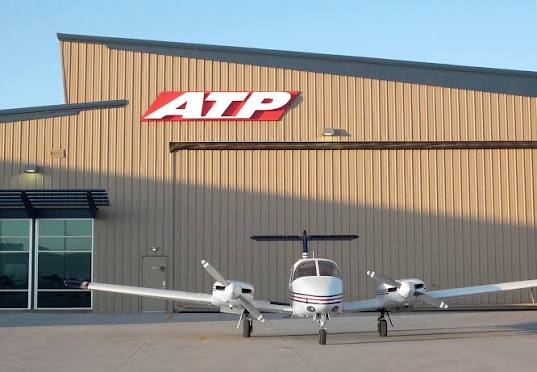
ATP Flight School is one of the largest airline-focused pilot training organizations in the United States. It is best known for its Airline Career Pilot Program, which is designed for students who want a structured path from zero experience toward commercial pilot qualifications and flight instructor experience.
ATP appeals to students who want speed, structure, and a career-focused training model. Its national footprint gives students access to many training locations, although quality and scheduling can vary by location.
Programs Offered
Private pilot training, instrument rating, commercial pilot training, multi-engine training, certified flight instructor training, airline career pathways, and accelerated pilot programs.
Students Served
Career pilots, airline-focused students, college graduates, career changers, and students seeking accelerated training.
Notable Features
ATP says it has trained more than 30,000 pilots since 1984.
Competitive Advantages
Large national network, career-focused structure, accelerated training model, and airline pathway visibility.
Headquarters
Jacksonville Beach, Florida.
Website
atpflightschool.com
Why It Stands Out
ATP stands out because it is one of the most recognizable accelerated airline pilot training providers in the United States.
Embry-Riddle Aeronautical University
Overview
Embry-Riddle Aeronautical University is one of the most respected aviation universities in the world. With major residential campuses in Daytona Beach, Florida, and Prescott, Arizona, it combines flight training with aviation degrees, aerospace research, engineering, safety, air traffic management, and aviation business education.
Embry-Riddle is best for students who want a university environment and a broader aviation education, not only flight hours. Its name is widely recognized across airlines, aerospace companies, aviation regulators, and aviation employers.
Programs Offered
Aeronautical science, professional pilot training, aerospace engineering, aviation business, air traffic management, safety science, unmanned aircraft systems, and graduate aviation programs.
Students Served
College students, aspiring airline pilots, aerospace students, aviation managers, safety professionals, and military-connected students.
Notable Features
Embry-Riddle combines flight training with academic degree programs and aviation research.
Competitive Advantages
Strong aviation brand, degree pathways, industry recognition, and broad aviation ecosystem.
Headquarters
Daytona Beach, Florida.
Website
erau.edu
Why It Stands Out
Embry-Riddle stands out for students who want a full aviation university experience with flight training and academic depth.
United Aviate Academy
Overview
United Aviate Academy is United Airlines’ flight training academy in Goodyear, Arizona. It is connected to United’s Aviate pilot career development program, which United describes as a pathway toward a United flight deck.
The academy is important because it represents the airline-owned training model. Students interested in a major airline pathway may find this attractive. However, buyers should also be aware that former students filed a lawsuit alleging staffing and aircraft shortages and misrepresentation; United defended the academy and said it remains confident in its program.
Programs Offered
Pilot training connected to United’s Aviate pathway, private pilot through advanced training stages, and career pathway support.
Students Served
Aspiring airline pilots seeking a United-connected training route.
Notable Features
The academy operates in Arizona, a major flight training state because of favorable weather and airport access.
Competitive Advantages
Direct association with a major U.S. airline and access to the Aviate pathway.
Headquarters
Goodyear, Arizona.
Website
aviateacademy.com
Why It Stands Out
United Aviate Academy stands out because it is airline-owned, but students should carefully review current timelines, fleet availability, financing, and legal disclosures before enrolling.
Epic Flight Academy
Overview
Epic Flight Academy is a Florida-based flight school known for training domestic and international students. Located in New Smyrna Beach, Florida, it offers pilot training and aviation maintenance programs.
Epic is especially relevant for students seeking a structured academy in a warm-weather training environment. Florida’s flying weather and aviation infrastructure make it a popular state for accelerated flight training.
Programs Offered
Private pilot, instrument rating, commercial pilot, multi-engine, flight instructor training, international student training, and aircraft mechanic programs.
Students Served
U.S. students, international students, career pilots, aviation maintenance students, and airline-track students.
Notable Features
Epic has a long history of training students from many countries.
Competitive Advantages
Florida location, international student experience, and combined pilot and aircraft mechanic training options.
Headquarters
New Smyrna Beach, Florida.
Website
epicflightacademy.com
Why It Stands Out
Epic Flight Academy stands out for students seeking a structured Florida flight academy with international training experience.
Phoenix East Aviation
Overview
Phoenix East Aviation is a Florida flight academy based in Daytona Beach. It is known for professional pilot training, international student programs, and airline-oriented pathways.
Daytona Beach has a strong aviation training ecosystem, and Phoenix East benefits from operating in a region with favorable weather and aviation infrastructure.
Programs Offered
Private pilot, instrument rating, commercial pilot, multi-engine, flight instructor, airline pilot pathways, and international student training.
Students Served
Career pilots, international students, U.S. students, and airline-track learners.
Notable Features
Phoenix East Aviation has long served international pilot training markets.
Competitive Advantages
Strong Florida location, international student support, and professional pilot focus.
Headquarters
Daytona Beach, Florida.
Website
pea.com
Why It Stands Out
Phoenix East Aviation stands out for international and career-focused students who want structured pilot training in Florida.
AeroGuard Flight Training Center
Overview
AeroGuard Flight Training Center is a professional pilot training school with U.S. training locations and airline-oriented programs. It focuses on structured training for students pursuing commercial aviation careers.
AeroGuard is relevant for students who want a career-focused academy model with organized training, standardized procedures, and a pathway toward airline qualifications.
Programs Offered
Private pilot, instrument rating, commercial pilot, multi-engine, certified flight instructor, international cadet programs, and airline career training.
Students Served
Career pilots, international cadets, airline-track students, and students seeking structured training.
Notable Features
AeroGuard markets professional pilot pathways and airline-style training culture.
Competitive Advantages
Structured training environment and commercial aviation focus.
Headquarters
Phoenix, Arizona region.
Website
flyaeroguard.com
Why It Stands Out
AeroGuard stands out for students seeking a professional academy environment with career-oriented flight training.
CAE Phoenix Aviation Academy
Overview
CAE is a global aviation training company known for simulator training, airline training, and professional pilot development. Its Phoenix training operation is relevant for students looking at airline-style instruction backed by a major aviation training brand.
CAE matters because it is not just a local school; it is part of a global pilot training and simulation company serving airlines, business aviation, and defense markets.
Programs Offered
Pilot training, cadet programs, simulator training, airline-oriented training, and professional aviation training.
Students Served
Airline cadets, international students, career pilots, and aviation partners.
Notable Features
CAE is globally recognized for aviation simulation and training.
Competitive Advantages
Global aviation training reputation and airline training infrastructure.
Headquarters
U.S. training presence in Arizona; global headquarters in Montreal, Canada.
Website
cae.com
Why It Stands Out
CAE Phoenix stands out for students who want training connected to a global aviation training organization.
Spartan College of Aeronautics and Technology
Overview
Spartan College of Aeronautics and Technology is a career-focused aviation institution with programs in flight training, aviation maintenance, avionics, and related technical fields. It is especially relevant for students who want aviation career training beyond pilot certification alone.
Spartan combines aviation education with technical pathways, making it useful for students considering pilot training, aircraft maintenance, or aviation electronics.
Programs Offered
Professional pilot training, aviation maintenance technology, avionics, nondestructive testing, and aviation career programs.
Students Served
Aspiring pilots, aircraft mechanics, avionics students, and aviation career seekers.
Notable Features
Spartan has a long history in aviation technical training.
Competitive Advantages
Broader aviation career training beyond pilot licenses.
Headquarters
Tulsa, Oklahoma.
Website
spartan.edu
Why It Stands Out
Spartan stands out for students who want aviation career education with pilot and technical training options.
Paragon Flight Training
Overview
Paragon Flight Training is a Florida-based flight school located in Fort Myers. It has gained attention for professional training, fleet quality, customer experience, and structured instruction.
Paragon is a strong example of a regional flight school that may be attractive to students who want professional training without necessarily choosing the largest national academy.
Programs Offered
Private pilot, instrument rating, commercial pilot, multi-engine, flight instructor training, and career pilot programs.
Students Served
Private pilot students, career pilots, international students, and advanced-rating students.
Notable Features
Paragon operates in Florida, a major training state with favorable flying weather.
Competitive Advantages
Regional specialization, professional training environment, and strong customer-service positioning.
Headquarters
Fort Myers, Florida.
Website
paragonflight.com
Why It Stands Out
Paragon stands out for students seeking a professional Florida flight school with a more regional academy feel.
American Flyers
Overview
American Flyers is one of the long-standing names in U.S. flight training, with locations in several states. It offers private pilot training, instrument rating, commercial pilot training, flight instructor training, and aviation education programs.
The school is especially known for instrument training and structured aviation instruction. It is useful for students who want a recognized training provider without necessarily enrolling in a university aviation degree.
Programs Offered
Private pilot, instrument rating, commercial pilot, certified flight instructor, flight instructor instrument, and recurrent training.
Students Served
Private pilots, career pilots, instrument students, flight instructor candidates, and general aviation pilots.
Notable Features
American Flyers has a long history in pilot training and multiple U.S. locations.
Competitive Advantages
Established brand, instrument training reputation, and multi-location access.
Headquarters
Addison, Texas region.
Website
americanflyers.com
Why It Stands Out
American Flyers stands out for students seeking an established flight school with strong instrument and instructor training options.
Industry Trends Affecting Flight Schools in the United States
Airline Pathway Programs
Airline pathway programs have become a major marketing feature. They can help students understand career progression, but students should still evaluate training quality, timelines, costs, and actual hiring requirements.
Instructor and Aircraft Availability
Flight schools can only move students forward when aircraft and instructors are available. Delays can increase costs and extend training timelines.
Part 61 vs Part 141 Training
Part 141 schools use FAA-approved structured curricula, while Part 61 training is often more flexible. The better choice depends on a student’s schedule, budget, learning style, and career goals.
Financing Pressure
Flight training is expensive. Students should be careful with loans and should calculate total cost through commercial pilot and instructor ratings, not only private pilot training.
Simulator Use
Modern flight schools increasingly use simulators to improve procedure training, instrument skills, and cost efficiency. Simulators do not replace all aircraft time, but they can improve training quality.
Pilot Hiring Cycles
Pilot demand changes with airline growth, retirements, fuel prices, economic conditions, and fleet plans. Students should avoid assuming that hiring conditions will remain constant throughout training.
Buyer’s Guide: How to Choose Flight Schools
Verify FAA Approval and Training Type
Ask whether the school operates under Part 61, Part 141, or both. Check whether it is FAA-approved and whether the program matches your goals.
Compare Total Cost, Not Hourly Rate
A low aircraft hourly rate may not mean lower total cost. Consider instructor availability, aircraft dispatch reliability, checkride delays, fuel surcharges, supplies, examiner fees, written tests, medical exam costs, and housing.
Inspect Aircraft and Maintenance Standards
Aircraft should be well-maintained, properly documented, and available when scheduled. Ask about fleet size, aircraft age, maintenance downtime, and backup aircraft.
Ask About Instructor Stability
Instructor turnover can slow progress. Ask about student-to-instructor ratios, instructor experience, and what happens if your instructor leaves.
Review Checkride Preparation
Ask about pass rates, stage checks, mock checkrides, examiner availability, and average time to complete each certificate or rating.
Understand Financing and Refund Policies
Never sign a loan or pay large upfront amounts without understanding refund rules, cancellation policies, training delays, and what happens if you withdraw.
Watch for Red Flags
Red flags include vague pricing, unrealistic completion promises, aircraft shortages, high instructor turnover, poor maintenance reputation, weak communication, no written syllabus, and pressure to finance quickly.
Why Flight Schools Matter in the United States
Flight schools matter because they train the pilots who support airlines, cargo carriers, business aviation, emergency services, flight instruction, agriculture, tourism, aerial survey, and general aviation.
They also affect aviation safety. Good training builds judgment, discipline, checklist habits, weather awareness, communication skills, and risk management. These habits matter long after a student passes a checkride.
Conclusion
The best Flight Schools in the United States include ATP Flight School, Embry-Riddle Aeronautical University, United Aviate Academy, Epic Flight Academy, Phoenix East Aviation, AeroGuard, CAE Phoenix, Spartan College, Paragon Flight Training, and American Flyers.
The right choice depends on the student’s goal. A future airline pilot may prefer an accelerated academy or university aviation program. A private pilot may prefer a trusted local Part 61 school. An international student may need visa support. A student seeking a degree may prefer Embry-Riddle or Spartan. Every student should compare safety, aircraft availability, instructor quality, costs, FAA structure, and training timelines before enrolling.
Frequently Asked Questions
What are the best flight schools in the United States?
Some of the best-known flight schools in the United States include ATP Flight School, Embry-Riddle Aeronautical University, United Aviate Academy, Epic Flight Academy, Phoenix East Aviation, AeroGuard Flight Training Center, CAE Phoenix, Spartan College, Paragon Flight Training, and American Flyers. The best school depends on your budget, location, career goals, visa needs, and preferred training structure.
What is the best flight school for airline pilots?
ATP Flight School, Embry-Riddle, United Aviate Academy, CAE Phoenix, AeroGuard, Epic Flight Academy, and Phoenix East Aviation are commonly considered by students pursuing airline careers. However, the best choice depends on aircraft availability, instructor quality, timeline, financing, airline pathway options, and total cost.
What is the difference between Part 61 and Part 141 flight schools?
Part 141 schools use FAA-approved structured training programs and syllabi. Part 61 training is usually more flexible and may suit students training part-time. The FAA notes that Part 141 schools may allow lower minimum hours for some certificates, but many students still need more time than the minimum.
How much does flight school cost in the United States?
Costs vary widely depending on location, aircraft type, fuel prices, instructor rates, training pace, and career goal. Private pilot training may cost far less than a full airline-track program from zero time through commercial, multi-engine, and instructor ratings. Students should request a full cost estimate, including exams, checkrides, supplies, housing, and financing charges.
How long does it take to become a pilot?
A private pilot certificate can take a few months to a year depending on training frequency, weather, and scheduling. Airline-track training from zero experience to commercial pilot and instructor ratings may take 9 to 24 months or more. Reaching airline minimums usually takes longer because pilots must build flight experience.
Is Embry-Riddle a flight school?
Yes, Embry-Riddle is an aviation university that includes flight training, but it is more than a flight school. It offers aviation degrees, aerospace engineering, safety, aviation business, air traffic management, and research programs. It is a strong choice for students who want a degree alongside flight training.
Is United Aviate Academy a good flight school?
United Aviate Academy is notable because it is connected to United Airlines’ Aviate pathway. However, former students filed a lawsuit alleging problems including staffing and aircraft shortages, while United has defended the program. Students should review current program details, timelines, fleet availability, costs, and legal updates before enrolling.
Do I need a college degree to become an airline pilot?
A college degree is not always required for every airline pilot path, but some airlines may prefer or value a degree. Requirements vary by employer and market conditions. Students should check current airline hiring standards and consider whether a degree adds value to their long-term career.
What should I ask before enrolling in flight school?
Ask about FAA approval, Part 61 or Part 141 structure, aircraft availability, instructor ratios, total cost, financing, refund policy, average completion time, checkride pass rates, maintenance standards, housing, weather delays, and career support.
Are accelerated flight schools worth it?
Accelerated flight schools can be worth it for students who can train full-time, learn quickly, and handle an intensive schedule. They may not be ideal for students who need to work, learn slowly, or manage training around school or family obligations. Speed is useful only if training quality remains strong.
What is the cheapest way to become a pilot?
The cheapest path is often a well-run local Part 61 school with consistent training, a reliable instructor, and frequent flying. However, the cheapest hourly rate is not always the cheapest total path. Delays, poor instruction, aircraft downtime, and repeated lessons can raise costs.
What are red flags in a flight school?
Red flags include unrealistic promises, vague pricing, poor aircraft maintenance, instructor shortages, aircraft shortages, weak communication, pressure to pay large amounts upfront, low transparency about delays, and poor student reviews.
Can international students attend flight school in the United States?
Yes, many U.S. flight schools train international students, but students may need the correct visa, TSA approval, documentation, and school support. International students should choose schools with experience handling visa and regulatory requirements.
What is the future of flight training in the United States?
The future of flight training will likely include more airline pathway programs, better simulators, data-driven training, electric aircraft experiments, stronger safety analytics, and continued demand for professional pilots. Schools that manage aircraft availability, instructor quality, cost transparency, and student outcomes will be best positioned.