Small homes and apartments don’t need oversized heating systems, but they do need the right HVAC setup. Limited square footage, shared walls, and installation constraints all change how heating systems perform in smaller spaces. Choosing the right option comes down to efficiency, control, and how well the system fits the layout rather than raw heating power.
Heating Options for Small Spaces in Houses and Apartments
Small spaces have more good heating options than ever, generally falling into four broad categories. These heating options for small spaces include electric-based systems like baseboard heaters, wall heaters, radiant panels, and mini-split heat pumps; gas systems such as furnaces, boilers, and wall-mounted gas heaters; hydronic systems that use hot water, including radiators and radiant floor heating; and portable or supplemental options like space heaters and infrared heaters, which are best used as backups rather than primary heat sources.
The biggest shift in recent years has been the rise of ductless mini-split heat pumps. They work especially well in small layouts, don’t require ductwork, and provide both heating and cooling. In apartments, particularly rentals, electric and centralized apartment heating options still dominate due to simplicity, building constraints, and local regulations. Overall, apartments and small houses may rely on electric, gas, or hydronic apartment heating depending on building design and utility access, but in tight spaces, systems that avoid ductwork and allow room-by-room control tend to be the most practical.
Apartment Heating Needs vs Small Home Heating
The difference isn’t square footage, it’s control and exposure. Apartments usually share walls, floors, or ceilings with other units, which naturally reduces heat loss and overall heating demand, but also means less control over the heating system and a greater need to prioritize simplicity when choosing apartment heating options.
Small houses, even when compact, are fully exposed to outdoor conditions and lose heat through the roof, exterior walls, and foundation. Because of that exposure, insulation, air sealing, and system efficiency matter more, and heating options for a small home benefit from customized, high-efficiency setups that can be tailored room by room to maintain consistent indoor temperatures.
Types Of Heating Systems In Apartments
Most apartments rely on centralized or simplified systems chosen for durability and low maintenance rather than efficiency. Common apartment heating options include central boilers with radiators or baseboards, electric baseboard heaters, wall-mounted gas heaters, and packaged terminal air conditioner (PTAC) units often found under windows.
These apartment heating systems work and are reliable, but they’re not always energy-efficient or comfortable. Temperature control can be uneven within the unit, and residents typically don’t have control over fuel choices, upgrades, or overall apartment heating efficiency.
Efficient Heating Options for a Small Home
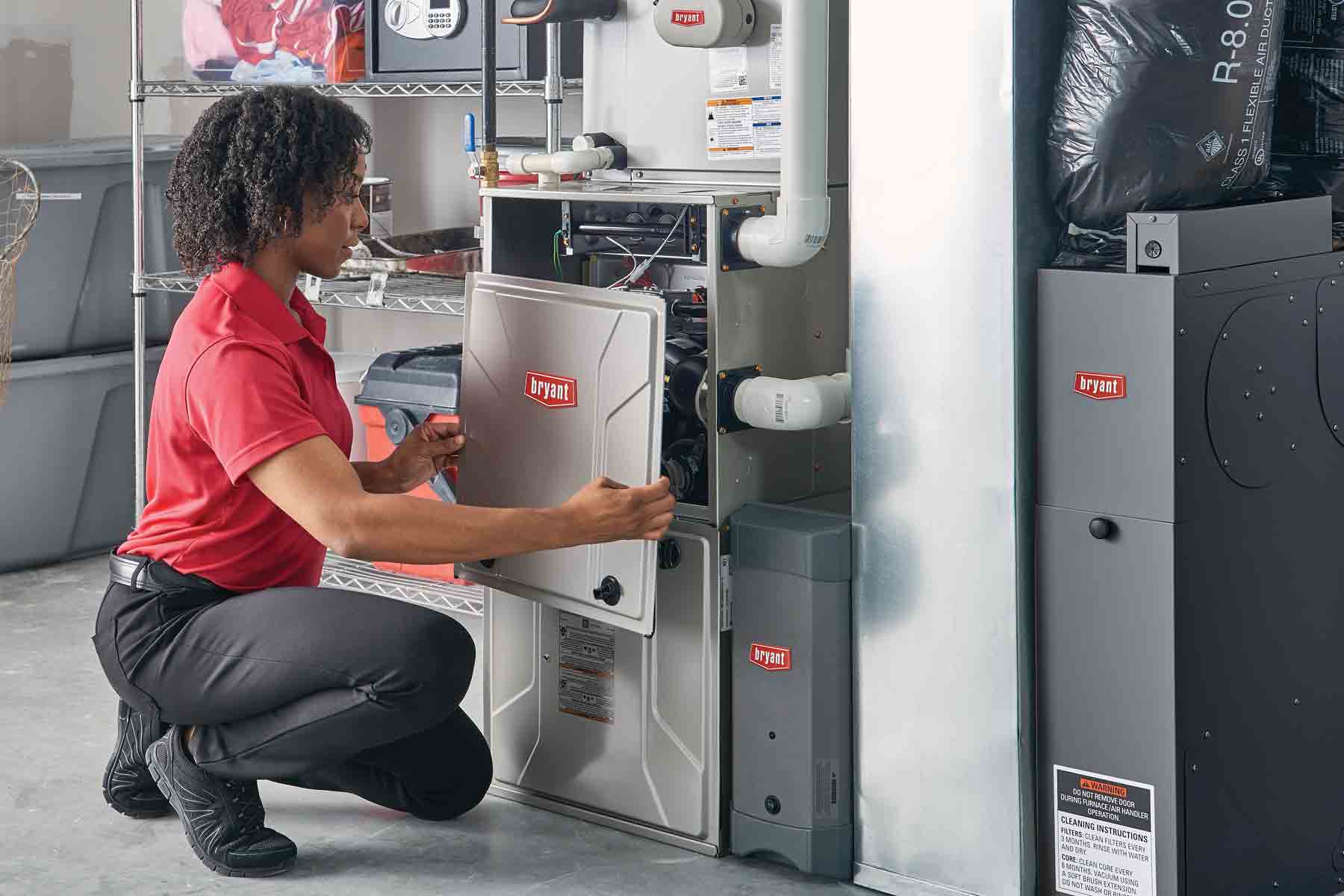
For small houses, efficiency comes from right-sizing, not raw power. Ductless mini-split heat pumps are among the most efficient heating options for a small home due to their high energy efficiency, zoned heating capability, and lack of duct losses. High-efficiency gas furnaces also perform well in colder climates when properly sized, especially when paired with regular furnace service to maintain efficiency and safe operation, and when combined with good insulation. Radiant floor heating can be both comfortable and efficient in well-sealed, well-insulated homes when installed correctly.
The key advantage in a small house is flexibility: homeowners can choose heating options for a small house that actually pay off long term, where proper system sizing and insulation play a major role in overall efficiency.
Best Heating System For Small Apartment
There’s no universal “best,” but there is a best-fit approach. The best heating system for a small apartment is one that provides consistent heat without requiring major structural changes. Electric baseboard heaters and wall heaters are common apartment heating options in rentals, while ductless mini-split heat pumps are often preferred in owner-occupied apartments or condos when allowed by building rules.
Mini-splits are often ideal if permitted because they’re quiet, efficient, and give full temperature control without tearing into walls. In compact layouts, apartment heating systems with fast response times and simple controls tend to perform best.
Best Heating System For Small House
For most small homes, the best option is one that balances efficiency, comfort, and long-term cost. Ductless mini-split heat pumps are often the most effective heating options for small house layouts due to their efficiency, zoning capabilities, and lack of ductwork, especially in mild to moderately cold climates. High-efficiency gas furnaces remain a strong option where gas is affordable and winters are harsh, while hybrid systems that combine a heat pump with a backup heat source offer flexibility and resilience across varying temperatures.
Small houses don’t need oversized systems. A properly sized unit paired with good insulation almost always outperforms a larger, less efficient setup, regardless of which heating options for a small home are chosen.
Cost, Efficiency, and Installation in Heating Options for Small Spaces
This is where many people get stuck, because the cheapest option upfront is rarely the cheapest over time. Installation requirements often influence heating choices more than system type in small spaces, and furnace installation in particular must be correctly sized and vented to avoid long-term efficiency and comfort issues. Lower-cost systems such as electric baseboards and wall heaters have minimal installation costs but higher long-term operating expenses, while more efficient systems like heat pumps typically cost more upfront but are cheaper to run and reduce monthly energy bills over time.
In small homes and apartments, even modest efficiency gains in heating options for small spaces make a noticeable difference in comfort and energy bills. Long-term value comes from correct sizing and proper installation, which help avoid uneven heating, short cycling, unnecessary energy use, and can improve resale appeal.
Heating Options for a Small Home Renters and Owners Should Know
Renters generally rely on existing apartment heating systems and should prioritize options that don’t require permanent changes. Portable or plug-in electric heaters may be used when permitted, along with energy-efficient habits like sealing drafts or using smart thermostats if allowed. While renters have limited control, choosing the right apartment heating options can still improve comfort.
Homeowners have greater flexibility and can invest in long-term heating options for a small home, such as ductless heat pumps, upgraded furnaces, or radiant heating. Ownership unlocks zoning, smart controls, incentives, rebates, and energy savings that improve comfort throughout the space and reduce energy costs over time.
Choosing Between Heating Options for Small House and Apartment Heating Options
Start with how the space actually behaves, not what’s trendy. Choosing between heating options for a small house and apartment heating options depends on building type, insulation quality, climate, energy costs, and whether permanent upgrades are allowed. Apartments typically require solutions that work within existing infrastructure, while small houses benefit from systems tailored to the home’s heat loss and layout.
The right heating system for a small space is right-sized, efficient, and matched to how you live. Whether you’re choosing apartment heating or evaluating heating options for a small home, control, long-term plans, and energy priorities matter more than system size. Bigger isn’t better, and more complex isn’t either.