


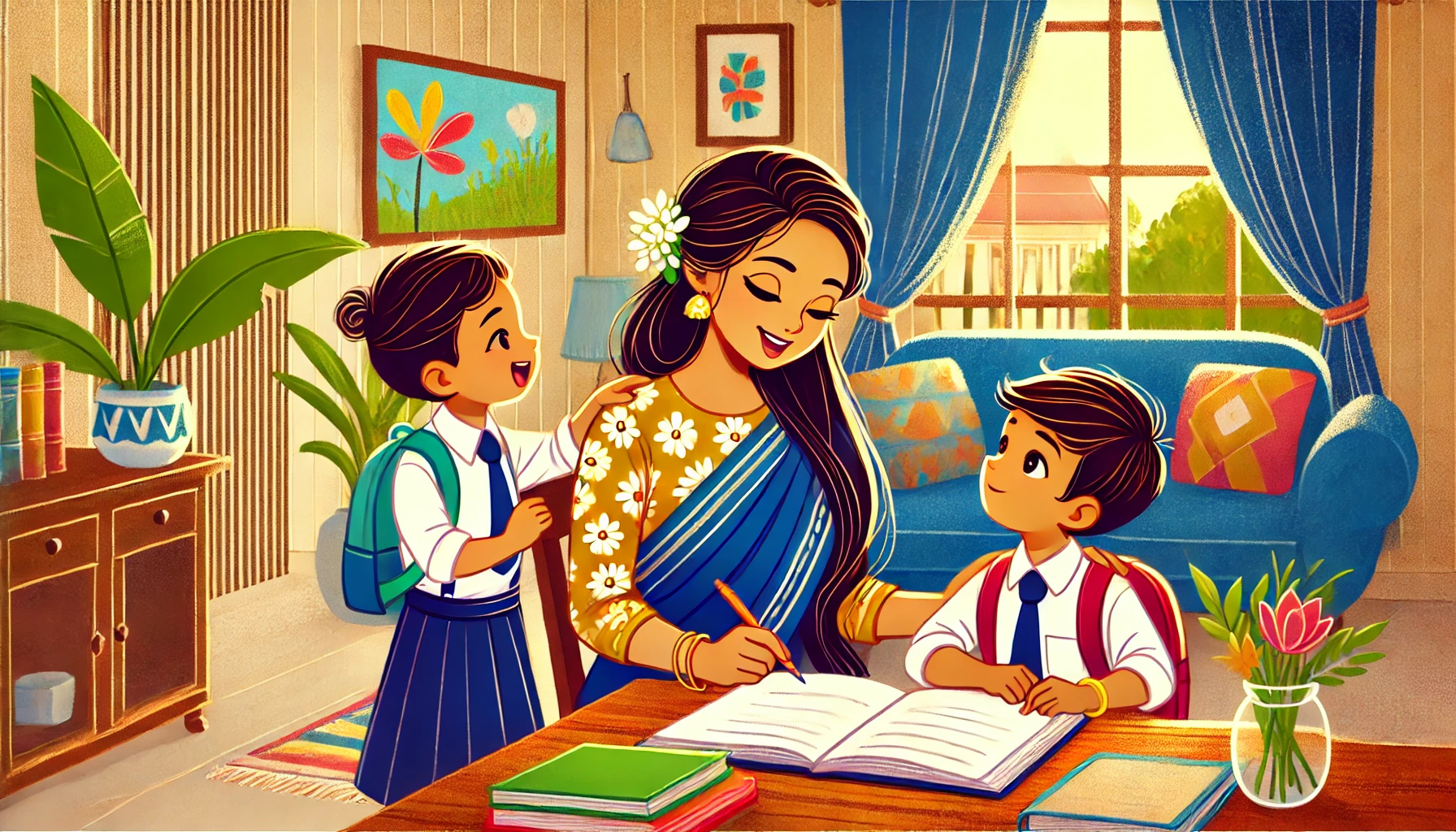
Learn how to be a responsible eldest sister by setting a good example, building strong relationships with younger siblings, and handling conflicts maturely.
Being the eldest sister can come with a lot of responsibilities. Parents often expect you to be a role model, and younger siblings may look up to you, even if they sometimes annoy you. By setting a positive example, nurturing your relationship with your siblings, and learning to manage conflicts effectively, you can become a responsible and supportive big sister.
Method 1: Being a Good Role Model
Step 1: Show Respect and Appreciation for Your Parents
Younger siblings often observe how you interact with your parents. Be polite, express gratitude, and fulfill responsibilities without complaints. This not only strengthens your bond with your parents but also teaches your siblings how to behave.
Step 2: Practice Politeness and Good Manners
Your siblings will pick up habits from you, so model polite behavior by saying “please,” “thank you,” and “excuse me.” Avoid interrupting conversations and show kindness to others.
Step 3: Help Around the House
Contribute by assisting with chores like laundry, tidying up, or helping your siblings get ready for school. Doing so with a positive attitude encourages them to follow your example.
Step 4: Take Responsibility for Your Mistakes
Nobody is perfect, and mistakes happen. Apologize when necessary and accept consequences gracefully to show your siblings that accountability is important.
Step 5: Prioritize Your Education
Focusing on school sets a good example for your siblings. If they struggle with studies, offer to help them with homework or explain difficult concepts.
Step 6: Show Empathy Toward Others
Teach kindness by putting yourself in others’ shoes. Simple acts like helping someone who dropped something or volunteering can influence your siblings to be more compassionate.
Step 7: Avoid Risky Behaviors
Remember that your actions set an example. Avoid smoking, drinking, or engaging in harmful activities that your siblings might imitate.
Method 2: Having a Good Relationship with Your Siblings
Step 1: Love and Accept Your Siblings for Who They Are
Your siblings may have different personalities, hobbies, or talents. Embrace their uniqueness and avoid making comparisons.
Step 2: Be Patient with Younger Siblings
Younger siblings may test your patience, but their actions are often driven by a desire for attention. Take a deep breath before reacting and redirect their energy positively.
Step 3: Find Activities to Enjoy Together
Spending quality time strengthens your bond. Play board games, do crafts, or engage in outdoor activities that you both enjoy.
Step 4: Be Someone Your Siblings Can Confide In
Let your siblings know that they can trust you. Listen attentively when they talk about their problems and offer guidance without judgment.
Step 5: Allow Your Siblings to Support You Too
Your role as the eldest doesn’t mean you can’t lean on your siblings. Share your struggles when appropriate and let them be there for you as well.
Step 6: Handle Conflicts with Maturity
Arguments are inevitable, but staying calm and walking away when emotions rise can prevent unnecessary fights. Later, calmly discuss any disagreements.
Step 7: Seek Adult Help When Needed
If a conflict escalates beyond your control or if your sibling is in danger, don’t hesitate to involve a trusted adult, whether it’s a parent, teacher, or counselor.
FAQs (Schema Markup)
Q1: How can I set a good example for my younger siblings?
A: Be respectful, responsible, and kind. Show them the importance of education, empathy, and self-discipline.
Q2: What if my younger siblings don’t listen to me?
A: Instead of forcing authority, build mutual respect through patience, understanding, and leading by example.
Q3: How do I balance being a role model with being myself?
A: You don’t have to be perfect—just be responsible while still embracing your individuality.
Q4: How can I stop my younger siblings from annoying me?
A: Redirect their behavior by suggesting fun activities, setting boundaries, or simply taking a break when needed.
Q5: What should I do if my siblings come to me with a serious problem?
A: Listen, offer support, and if necessary, encourage them to seek help from a trusted adult.
Final Tips
- Stay patient and understanding—younger siblings often look up to you, even if they don’t show it.
- Communicate openly—talking things out can resolve many misunderstandings.
- Maintain boundaries—being responsible doesn’t mean sacrificing your own needs and privacy.
- Enjoy the role—being an older sister comes with challenges but also offers a chance to build lifelong bonds.
Being a responsible eldest sister is about balance—being a leader while still having fun and growing with your family.


