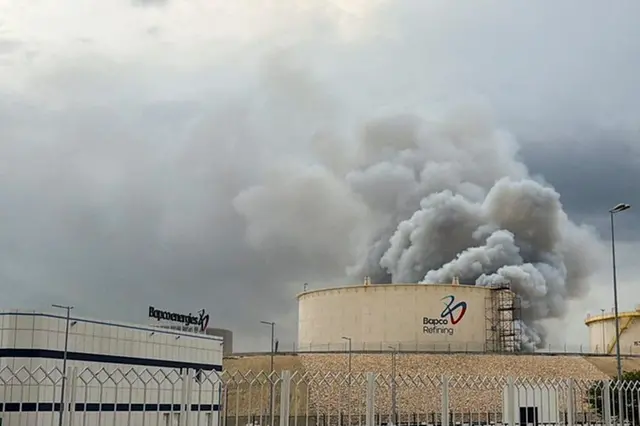
Bapco force majeure has sent fresh shockwaves through Gulf energy markets after an attack struck Bahrain’s Sitra oil refinery. The move underscores how the expanding Iran-linked conflict now directly threatens refining infrastructure, not just shipping lanes.
On Monday, Bahrain’s state-owned energy group declared force majeure across its operations following the strike. While authorities said domestic fuel supplies remain secure, the disruption highlights how quickly geopolitical tensions can translate into commercial and logistical fallout.
Bapco Force Majeure and the Strategic Sitra Refinery
The Sitra refinery processes up to 380,000 barrels per day. Recently upgraded from 265,000 bpd, the facility plays a central role in Bahrain’s downstream sector. Moreover, it refines Saudi crude delivered through a cross-border pipeline.
Therefore, the declaration of Bapco force majeure affects more than Bahrain. Saudi Arabia loses a key outlet for part of its production stream. In tight market conditions, even temporary refining outages can tighten regional fuel availability.
Bapco exports diesel, jet fuel and naphtha across the Middle East and Asia. These refined products feed aviation hubs, shipping corridors and industrial centers. Consequently, any sustained disruption could ripple through supply chains.
Energy Infrastructure Now in the Crosshairs
Oil markets have already reacted sharply to the broader conflict. Brent crude surged earlier in the week amid fears of supply disruptions. Now, strikes on refining infrastructure add another layer of risk.
Historically, Gulf conflicts targeted upstream production or maritime transit. However, attacks on refining assets raise different concerns. Refineries convert crude into usable fuels. Therefore, damage at this stage directly affects end-user supply.
Although Bapco confirmed that domestic demand remains fully secured, export flows may face adjustments. Insurance costs for regional energy infrastructure could also rise, increasing operational expenses.
Regional Energy Trade at Risk
The Sitra facility sits near key maritime routes. Meanwhile, tanker movements through the Strait of Hormuz have already slowed. Together, these disruptions compound uncertainty for global buyers.
Asian importers rely heavily on Gulf fuel shipments. Jet fuel exports matter especially for aviation-dependent economies. If disruptions persist, refiners in Asia may need alternative sourcing at higher costs.
For African markets, the impact could prove indirect but significant. East African economies import refined fuels from Gulf suppliers. Therefore, prolonged instability could increase fuel import bills and widen trade deficits.
Market Implications Beyond Bahrain
Bapco force majeure also carries financial consequences. Energy contracts typically include such clauses to shield suppliers from penalties when extraordinary events prevent fulfillment. However, buyers may scramble for replacement cargoes.
Investors will now assess broader exposure across Gulf energy infrastructure. If attacks spread, refiners in neighboring states may face similar risk premiums.
Moreover, sovereign-linked energy companies anchor regional fiscal budgets. Any sustained revenue loss could affect public spending plans, including overseas investment.
Why This Matters
The strike on Bapco signals a dangerous shift in the conflict’s economic footprint. Rather than disrupting only transit routes, the confrontation now touches refining assets central to Gulf export capacity.
For global energy markets, this adds volatility at a time when supply chains remain fragile. For emerging markets dependent on Gulf fuel imports, higher prices could strain currencies and inflation.
What Happens Next
Much depends on the scale of damage at the Sitra refinery. If repairs proceed quickly, export flows may normalize within weeks. However, if hostilities intensify, further infrastructure risks could emerge.
Energy traders will monitor tanker movements, insurance rates and official repair timelines. Meanwhile, governments across Asia and Africa may review strategic reserves in anticipation of extended disruption.
For now, Bapco’s assurance of domestic supply stability offers short-term relief. Yet markets understand that force majeure declarations rarely occur in isolation during geopolitical escalation.