


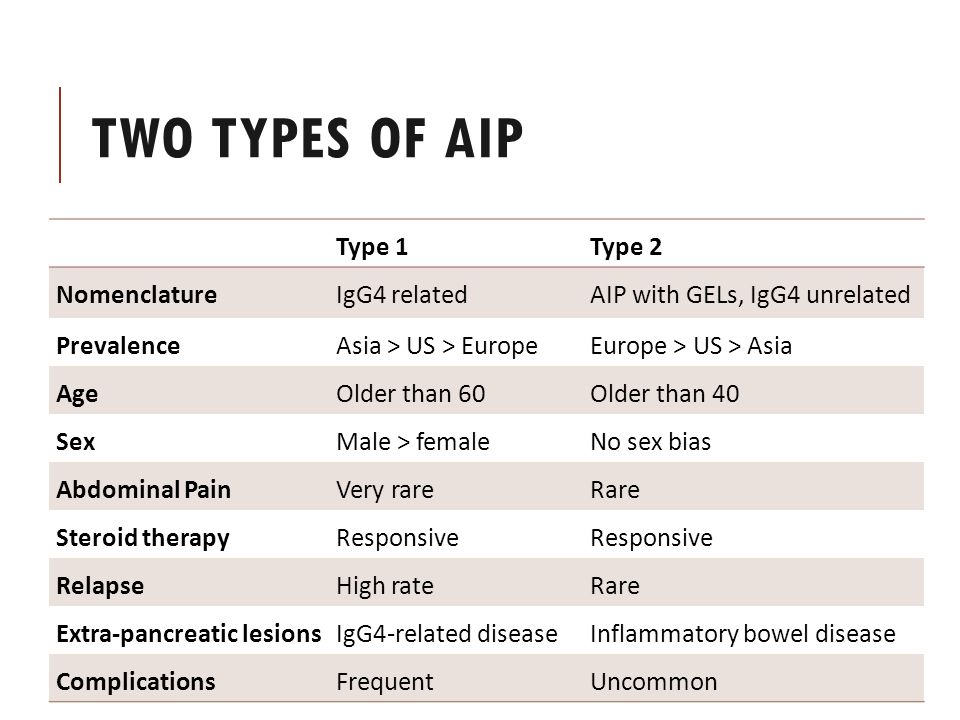
Autoimmune pancreatitis (AIP) is a rare inflammatory condition of the pancreas believed to result from the immune system attacking healthy pancreatic tissue. It is classified into two subtypes, each with distinct characteristics:
- Type 1 AIP: Also known as IgG4-related disease, often involves multiple organs, including the bile ducts, salivary glands, kidneys, and lymph nodes.
- Type 2 AIP: Primarily affects the pancreas and is commonly associated with inflammatory bowel disease.
Because the symptoms of AIP, especially type 1, can mimic pancreatic cancer, accurate diagnosis is critical for determining appropriate treatment.
Symptoms
Symptoms of autoimmune pancreatitis can vary widely and may overlap with those of pancreatic cancer. Common signs include:
- Jaundice: Yellowing of the skin and eyes, often painless, caused by bile duct blockage (more common in type 1 AIP).
- Digestive Symptoms: Pale stools, dark urine, and floating stools due to poor fat digestion.
- Unexplained Weight Loss: Often accompanied by weakness or loss of appetite.
- Nausea and Vomiting: Occasionally present.
- Upper Abdominal Pain: Rare in AIP compared to pancreatic cancer but may occur in type 2 AIP.
Key differences between the two subtypes:
- Type 1 AIP: Frequently affects men over 60 and is more likely to involve other organs.
- Type 2 AIP: Affects both sexes equally, tends to appear in younger individuals, and is often linked to inflammatory bowel disease.
When to See a Doctor
Consult a healthcare professional if you experience:
- Persistent jaundice.
- Unexplained weight loss.
- Abdominal discomfort.
- Symptoms indicative of pancreatic or bile duct dysfunction.
Causes
While the exact cause remains unknown, autoimmune pancreatitis is thought to result from the immune system attacking the pancreas. Potential contributing factors include genetic predisposition and environmental triggers.
Risk Factors
Type 1 AIP:
- More common in men over 60.
- Frequently involves multiple organs.
- Higher relapse rate after treatment discontinuation.
Type 2 AIP:
- Affects younger individuals, often in their 40s or 50s.
- Equally common in men and women.
- Strongly associated with inflammatory bowel diseases like ulcerative colitis.
Complications
If left untreated, autoimmune pancreatitis may lead to:
- Pancreatic Exocrine Insufficiency:
- Reduced production of digestive enzymes.
- Symptoms: Diarrhea, weight loss, bone disease, and vitamin deficiencies.
- Diabetes:
- Pancreatic damage may impair insulin production, requiring medication or insulin therapy.
- Narrowing of the Pancreatic and Bile Ducts (Strictures):
- May require endoscopic or surgical intervention.
- Pancreatic Stones or Calcifications:
- Deposits in the pancreas may interfere with its function.
Diagnosis
To distinguish AIP from pancreatic cancer and other conditions, doctors may use:
- Blood Tests: To measure IgG4 levels and check for markers of inflammation.
- Imaging Tests: MRI, CT scans, or endoscopic ultrasound to examine pancreatic structure and function.
- Biopsy: Sometimes needed to confirm the diagnosis.
- Steroid Response Test: Improvement with corticosteroids may help diagnose AIP.
Treatment
Autoimmune pancreatitis is often highly treatable with the following approaches:
- Corticosteroids:
- Primary treatment to reduce inflammation and symptoms.
- Long-term use may be required for type 1 AIP due to relapse risk.
- Immunosuppressive Drugs:
- Used in cases resistant to steroids or to reduce long-term steroid side effects.
- Enzyme Replacement Therapy:
- For pancreatic exocrine insufficiency to aid digestion.
- Diabetes Management:
- Medications or insulin may be prescribed if pancreatic function is impaired.
- Surgical or Endoscopic Intervention:
- For complications like duct narrowing or pancreatic stones.
Prognosis
With timely treatment, people with autoimmune pancreatitis generally have a normal life expectancy. However, close monitoring is essential to manage potential relapses and complications effectively. Despite its overlapping symptoms with pancreatic cancer, AIP is not associated with an increased risk of developing pancreatic cancer.


