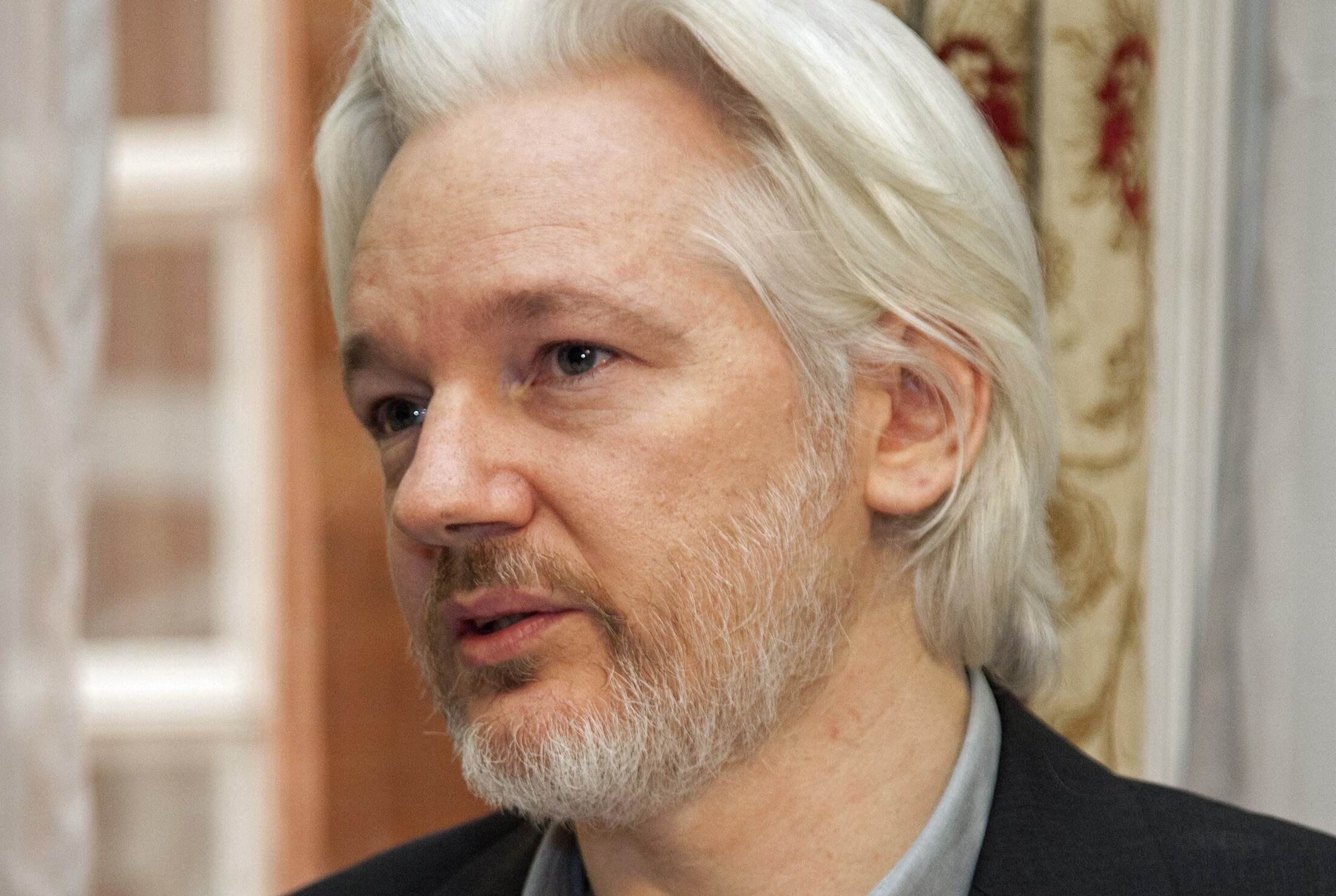
In the early hours of a defining morning, it was announced that Julian Assange, the founder of WikiLeaks, will finally be released. This development is a significant victory for his supporters who have long campaigned for his freedom. However, the circumstances surrounding his release are complex and laden with geopolitical implications, as Assange is currently en route to Saipan in the American-controlled Mariana Islands to plead guilty to an espionage charge. This act is seen by many as a final act of retribution by US imperialism, which has harbored a longstanding grudge against Assange for his role in unveiling sensitive information.
The Assange saga began in June 2010 when WikiLeaks released over 470,000 documents related to the United States’ military operations in Afghanistan and Iraq. This cache included the now-infamous video footage of an Apache helicopter attack in 2007, which resulted in the deaths of civilians, including two Reuters journalists. The leaks extended to exposing violations at Guantanamo Bay, specifically the prevention of Red Cross doctors from attending to prisoners, which contradicted the Geneva Convention. These revelations not only damaged the image of the U.S. as a defender of human rights and democracy but also laid bare the grim realities of imperialist military engagements.
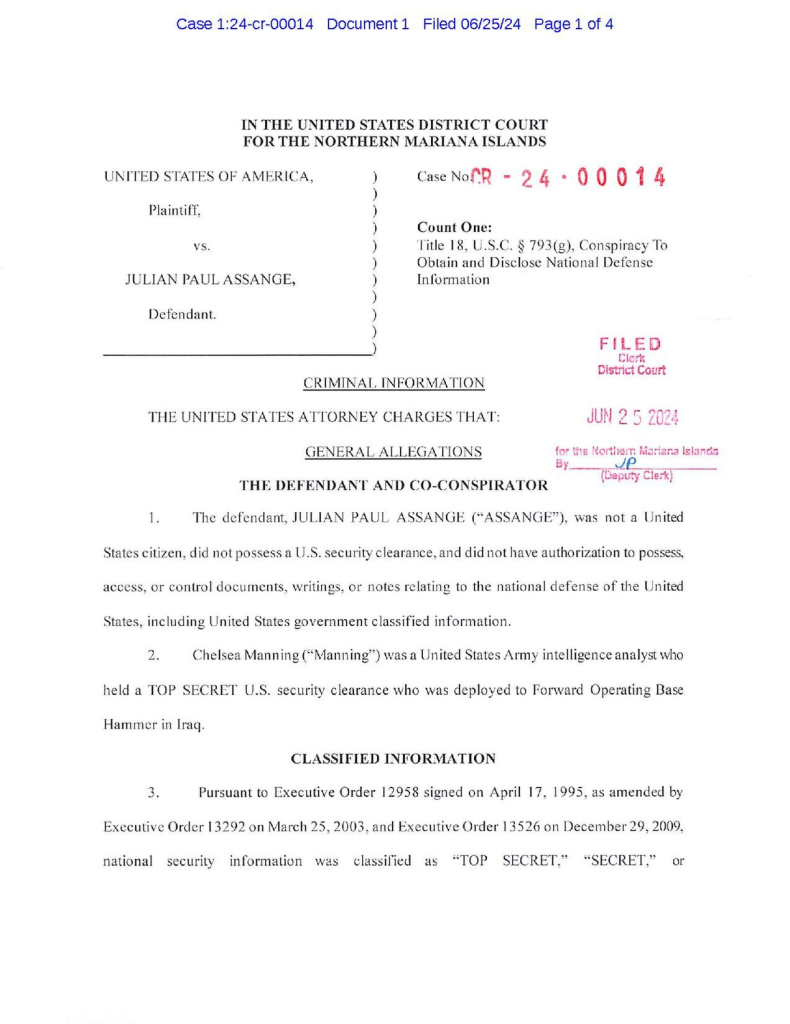
In retaliation, the U.S. government sought to make an example out of Assange, accusing him of endangering American agents—a claim that lacked concrete evidence according to James Clapper, the former director of national intelligence. Despite the absence of direct proof, the U.S. pursued severe legal actions against Assange, including an espionage indictment that carried potential life imprisonment. The U.S. also influenced its allies, notably Sweden, to facilitate this pursuit by issuing a European Arrest Warrant on unrelated sexual assault allegations, which were later dropped.
Assange sought asylum in the Ecuadorian Embassy in London in 2012 to evade extradition but was ultimately handed over to British authorities in 2019 after a change in Ecuador’s political leadership. This led to his incarceration in Belmarsh Prison, where his health has reportedly deteriorated significantly.
The campaign against Assange underscores a relentless effort by the U.S. to suppress and penalize whistleblowing. The handling of his case has sparked widespread debate about the balance between national security and freedom of speech, with many viewing the charges against him as a direct assault on journalistic freedom.
Although Assange is set to be freed, the conditions of his release are far from just. He is required to plead guilty to espionage for his previous acts of publishing classified information. Moreover, in a move that underscores his continued victimization, Assange was forced to charter a private jet to Saipan at a staggering cost of $500,000, adding a substantial financial burden to his freedom.
The case of Julian Assange is a stark reminder of the lengths to which powerful entities will go to maintain their control and suppress dissent. It highlights the ongoing struggle between state power and the individuals who seek to expose its abuses. While Assange’s impending release is a milestone, it also serves as a poignant moment to reflect on the broader implications of his ordeal—the chilling effect on whistleblowers and the urgent need for robust protections for those who dare to reveal uncomfortable truths.
In the broader context, the Assange episode is not just about one man’s struggle for freedom but a litmus test for the state of global human rights, freedom of the press, and the ability of individuals to hold governments accountable. As Assange prepares to plead guilty under duress, the international community continues to grapple with these complex issues, which are central to democratic governance and the pursuit of a just global order. The fight to protect whistleblowers and to ensure transparency and accountability from governments worldwide remains more critical than ever.