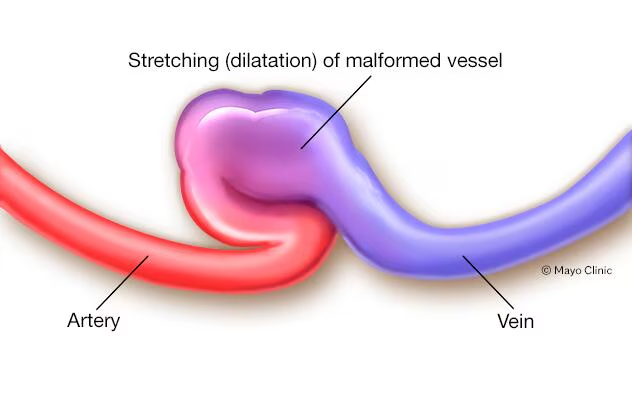
An arteriovenous (AV) fistula is an abnormal connection between an artery and a vein, allowing blood to bypass capillaries and flow directly from the artery into the vein. This irregular connection can reduce blood supply to tissues downstream from the bypassed capillaries. While some AV fistulas are created surgically for medical purposes, others occur spontaneously or due to underlying conditions.
Symptoms
The symptoms of an AV fistula depend on its size and location:
General Symptoms:
- Purplish, bulging veins visible beneath the skin (similar to varicose veins).
- Swelling in the affected arms or legs.
- Fatigue due to decreased oxygen supply to tissues.
- Decreased blood pressure.
- Heart failure, in severe cases.
Specific Symptoms by Location:
- Lungs (Pulmonary AV Fistula):
- Pale gray or blue lips or fingernails (cyanosis).
- Rounded, spread-out fingertips (clubbing).
- Coughing up blood.
- Digestive Tract:
- Gastrointestinal (GI) bleeding.
When to See a Doctor
If you notice symptoms like bulging veins, unexplained swelling, fatigue, or signs of poor oxygenation (e.g., cyanosis or clubbing), consult a healthcare provider. Early detection of an AV fistula can help prevent complications such as blood clots, heart failure, or life-threatening bleeding.
Causes
AV fistulas may be congenital (present at birth) or acquired later in life. Common causes include:
- Injuries: Penetrating wounds, such as gunshots or stab injuries, can create AV fistulas if they occur in areas where veins and arteries are close together.
- Congenital Conditions: Improper development of arteries and veins during fetal growth.
- Genetic Disorders: Conditions like Osler-Weber-Rendu disease, causing irregular blood vessel development.
- Dialysis Access Surgery: In kidney failure patients, an AV fistula is often surgically created in the forearm to facilitate dialysis.
Risk Factors
Factors increasing the likelihood of AV fistula formation include:
- Congenital or genetic conditions, such as hereditary hemorrhagic telangiectasia.
- Older age.
- Female sex.
- Cardiac catheterization, particularly in the groin area.
- Use of certain medications, including:
- Anticoagulants (blood thinners).
- Antifibrinolytics (medications to prevent bleeding).
- High blood pressure.
- Increased BMI (obesity).
Complications
Untreated AV fistulas can result in:
- Heart Failure:
- Increased blood flow through the fistula forces the heart to work harder, leading to overexertion and eventual failure.
- Blood Clots:
- AV fistulas in the legs can lead to deep vein thrombosis (DVT), potentially causing life-threatening pulmonary embolism if the clot moves to the lungs.
- Leg Pain (Claudication):
- Blocked blood flow to muscles causes pain, particularly during activity.
- Internal Bleeding:
- Bleeding may occur in the gastrointestinal tract or other areas, leading to potentially severe blood loss.
Diagnosis and Treatment
Diagnosis:
AV fistulas are diagnosed using:
- Physical examination: Detection of visible veins, swelling, or abnormal blood flow.
- Imaging studies: Ultrasound, CT scans, or MRIs to confirm the fistula’s location and size.
Treatment Options:
- Monitoring:
- Small and symptom-free AV fistulas may only need regular checkups.
- Compression Therapy:
- Noninvasive technique for some types of AV fistulas.
- Catheter-Based Procedures:
- Minimally invasive techniques using coils or stents to close or redirect blood flow.
- Surgery:
- For larger or complicated AV fistulas, surgical repair may be necessary.
Takeaway
An arteriovenous fistula is a condition that can range from mild to severe. Early detection and treatment are crucial to prevent life-threatening complications like heart failure or blood clots. Regular monitoring and lifestyle adjustments, combined with appropriate medical interventions, can help manage the condition effectively. Always consult a healthcare provider if symptoms arise.