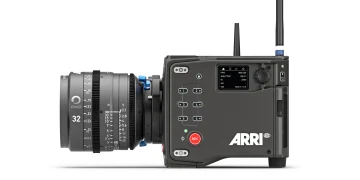
ARRI ALEXA 265 is a new-generation 65mm digital cinema camera designed to bring large-format image quality into a smaller and more practical production body.
Announced in December 2024, the camera is the successor to the legendary ALEXA 65, but it takes a very different approach to size, weight and usability. Instead of being a large and demanding 65mm system, the ALEXA 265 is built around a compact body that is closer in spirit to the ALEXA 35.
That matters because 65mm cinematography has often been associated with prestige productions, large crews, heavy rigs and specialist workflows. The ALEXA 265 makes the format more flexible for modern productions that need mobility, premium image quality and easier camera builds.
ARRI positions the camera for feature films, high-end commercials, music videos, premium streaming productions, visual effects work and any project where directors and cinematographers want the scale, depth and texture of 65mm capture.
Key Camera Specifications
The ARRI ALEXA 265 uses a 65mm format ARRI A3X Rev.B CMOS sensor with a Bayer pattern colour filter array.
Its active Open Gate recording area measures about 54.12 x 25.58 mm, with a sensor resolution of 6560 x 3100. This gives the camera a wider and more cinematic image area than traditional Super 35 and full-frame systems.
| Feature | ARRI ALEXA 265 |
|---|---|
| Camera type | 65mm digital cinema camera |
| Announcement | December 2024 |
| Sensor | ARRI A3X Rev.B CMOS |
| Sensor format | 65mm |
| Open Gate resolution | 6560 x 3100 |
| Open Gate image area | 54.12 x 25.58 mm |
| Sensor diagonal | About 59.86 mm |
| Lens mount | LPL |
| Dynamic range | 15 stops, according to ARRI |
| Exposure index | EI 160–6400 |
| Recording format | MXF/ARRIRAW |
| Frame rates | 0.75–60fps |
| Recording media | Codex Compact Drive 1TB and 2TB |
| Body weight | About 3.3 kg |
| Dimensions | About 191 mm x 147 mm x 163 mm class |
The key point is that the ALEXA 265 is not just a smaller ALEXA 65. It uses a revised sensor and a newer workflow to make 65mm filmmaking easier to manage on set.
65mm Sensor and Image Quality
The biggest reason filmmakers will look at the ALEXA 265 is its 65mm sensor.
A 65mm sensor gives cinematographers a wide image area, strong depth separation and a large-format feel that can make images look more immersive. It is especially useful for epic landscapes, close-up portraiture, premium drama, luxury commercials and visual storytelling that needs scale.
ARRI says the revised 65mm sensor improves dynamic range, sensitivity and low-light performance compared with the older ALEXA 65.
The camera keeps the 6.5K resolution that made the ALEXA 65 attractive, but it modernises the sensor performance for contemporary production demands.
Why 65mm Matters
65mm is not only about resolution.
The format affects perspective, lens choice, depth of field and the emotional feeling of an image. A large image area can give cinematographers a broader field of view while still allowing selective focus.
This is one reason 65mm cameras are often used for premium cinema and high-end productions where the image needs to feel grand, detailed and distinctive.
6.5K Open Gate Recording
The headline recording mode is 6.5K Open Gate at 6560 x 3100.
This mode uses the full 65mm sensor width and gives productions maximum flexibility. Open Gate is useful when a project needs cinema widescreen delivery, reframing room, visual effects plates, stabilization space or multiple aspect ratio outputs.
The ALEXA 265 also supports other sensor modes, including 5.1K 1.65:1 and 4.5K LF 3:2.
| Recording Mode | Resolution | Image Area |
| 6.5K Open Gate 2.12:1 | 6560 x 3100 | 54.12 x 25.58 mm |
| 5.1K 1.65:1 | 5120 x 3100 | 42.24 x 25.58 mm |
| 4.5K LF 3:2 | 4448 x 3096 | About 36.70 x 25.54 mm |
This gives cinematographers different framing choices depending on the lenses, delivery format and visual style of the project.
Open Gate for Flexible Deliverables
Open Gate recording is valuable because modern productions often need more than one version of the same image.
A film, trailer, streaming master, social media crop and vertical promotional version may all come from the same captured frame. Shooting Open Gate gives editors and colourists more room to adapt the image without losing the intended composition.
ARRIRAW Workflow
The ARRI ALEXA 265 records MXF/ARRIRAW in-camera.
ARRIRAW is designed for productions that want maximum control in post-production. It preserves more image information than compressed formats and gives colourists greater flexibility when adjusting exposure, contrast, colour and highlight detail.
The camera records to Codex Compact Drives, available in 1TB and 2TB capacities. This helps keep the workflow aligned with current ARRI camera systems.
Why ARRIRAW Is Important
ARRIRAW is important for high-end productions because it protects image quality from capture to post-production.
On major films, commercials and premium projects, colour grading is a creative stage. ARRIRAW gives the post-production team more room to shape the image without damaging the original capture.
The trade-off is file size. Productions using the ALEXA 265 must plan carefully for media, backups, data transfer and storage.
LogC4 and REVEAL Color Science
The ALEXA 265 shares ARRI’s LogC4 workflow and REVEAL Color Science.
This is important because it helps the camera fit into modern ARRI pipelines. Productions that already use the ALEXA 35 can work with a familiar colour-management approach when adding the ALEXA 265 to a shoot.
REVEAL Color Science is designed to deliver accurate colour, natural skin tones and smooth tonal transitions. These are qualities that have helped ARRI cameras remain trusted in high-end cinematography.
Matching With Other ARRI Cameras
A major benefit of LogC4 and REVEAL is easier matching.
A production may use ALEXA 265 for wide 65mm hero shots, ALEXA 35 for compact rigs, and other ARRI cameras for special setups. A shared colour workflow helps the footage sit together more naturally in post.
Dynamic Range and Sensitivity
ARRI lists the ALEXA 265 with 15 stops of dynamic range.
This gives cinematographers stronger control over highlights and shadows, especially in difficult lighting conditions. High dynamic range matters when shooting bright windows, reflective surfaces, night exteriors, backlit faces and scenes with deep contrast.
The camera has an exposure index range from EI 160 to EI 6400. ARRI says the revised sensor improves low-light performance compared with the earlier ALEXA 65.
Important Note on Dynamic Range Claims
Some third-party camera database entries may show conflicting dynamic range data. However, entries that mention LongGOP, V-Log, ISO 400 or 7680 x 4320 do not align with the official ARRI ALEXA 265 recording workflow.
For this camera, ARRI’s official specification is the safer reference: 15 stops of dynamic range, ARRIRAW recording and LogC4 colour workflow.
Frame Rates and Recording Performance
The ALEXA 265 records from 0.75fps to 60fps.
This makes it suitable for standard cinema frame rates, slow motion up to 60fps, and specialty low-frame-rate work. It is not designed as an extreme high-speed camera like the ALEXA 35 Xtreme, but it gives enough speed for many premium narrative and commercial workflows.
The recording frame-rate limits vary by format:
| Format | Maximum Frame Rate |
| ARRIRAW 6.5K Open Gate | Up to 60fps |
| ARRIRAW 5.1K 1.65:1 | Up to 60fps |
| ARRIRAW 4.5K LF 3:2 | Up to 60fps |
For productions that need extreme slow motion beyond 60fps, another ARRI camera or dedicated high-speed camera may be required.
Compact Body and Production Design
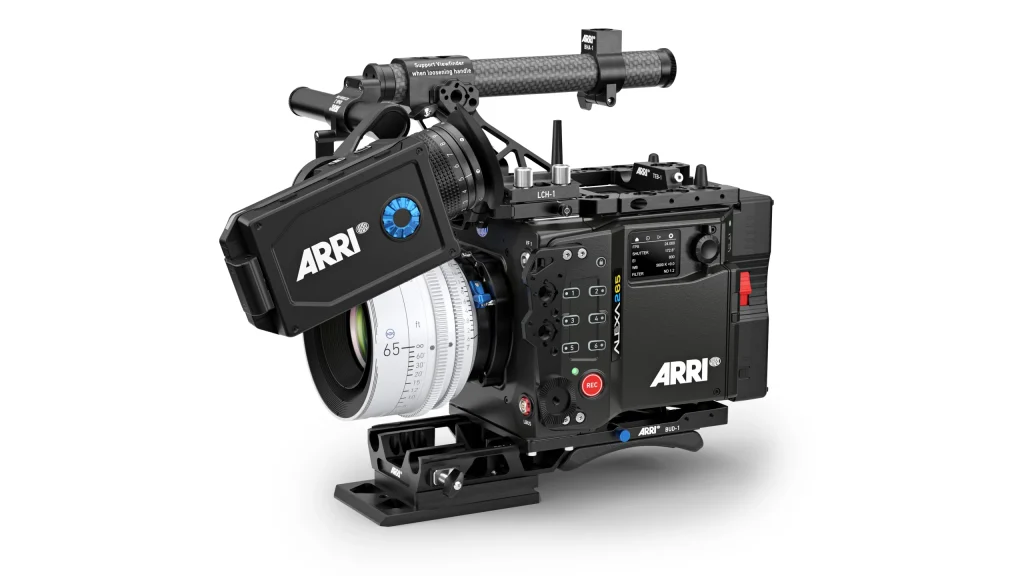
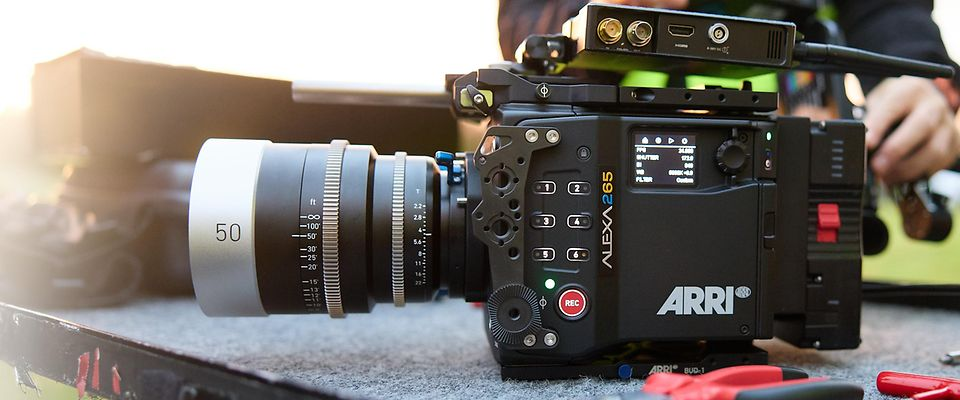
The ALEXA 265 is much smaller and lighter than the ALEXA 65.
ARRI states that the camera weighs about 3.3 kg, compared with the ALEXA 65’s much heavier body. This is a major change for 65mm production because it makes the format easier to use on stabilizers, cranes, handheld rigs, car mounts and constrained locations.
The body design is based closely on the ALEXA 35 platform, making it more familiar to crews already working with ARRI’s current-generation systems.
Why Size Matters for 65mm Filmmaking
Camera size affects how scenes are shot.
A smaller 65mm body can move more freely, fit into tighter spaces and work with more support systems. This gives directors and cinematographers more creative freedom.
Large-format cameras are often valued for their look, but they can be difficult to operate. The ALEXA 265 tries to reduce that barrier.
Lens Mount and Lens Coverage
The ALEXA 265 uses the LPL mount, which is designed for modern large-format cinema lenses.
Lens coverage is critical because the 6.5K Open Gate image area is very wide. Not every full-frame or large-format lens will fully cover the 65mm sensor area.
Cinematographers should check coverage carefully before choosing lenses, especially when shooting Open Gate.
Lens Options for 65mm
65mm lens options have expanded in recent years, but they are still more specialized than Super 35 or full-frame lenses.
Productions may use ARRI Rental 65mm lenses, large-format primes, rehoused vintage lenses or other optics designed to cover wide image circles. Testing is essential because lens character, falloff, sharpness and vignetting can change across such a large sensor.
Filter Cartridge System
The ALEXA 265 introduces a unique in-camera filter cartridge system.
This system allows special filter trays to slide in front of the sensor while protected inside a cartridge. ARRI says FSND filters from clear to ND2.7 are available, with more creative filter options planned.
The filter tray includes encoded information, which can be displayed in the camera interface and recorded as metadata.
Why the Filter System Matters
Filters are a major part of cinematography.
Neutral density filters help control exposure, especially when shooting wide open in bright conditions. Creative filters can soften highlights, change contrast or add specific optical character.
By integrating filters into the camera body, ARRI reduces the need for some external matte-box changes and makes camera builds more efficient.
Who the ARRI ALEXA 265 Is For
The ARRI ALEXA 265 is aimed at elite production environments.
It is best suited for major feature films, premium commercials, prestige streaming shows, large-scale documentaries, VFX-heavy productions and cinematographers who want a 65mm look in a more practical camera body.
It is not designed for ordinary content creators, event shooters or low-budget productions. The camera, lenses, media and workflow require a professional crew and careful planning.
Best Use Cases
The ALEXA 265 is strongest for:
Feature films that need a grand 65mm image
Luxury advertising and beauty work
Premium streaming drama
VFX plates and large-format cinematography
Projects needing immersive landscapes and close-ups
Productions already using ARRI LogC4 workflows
ARRI ALEXA 265 vs ALEXA 65
The ALEXA 265 is the modern successor to the ALEXA 65.
Both cameras serve the 65mm cinema market, but the ALEXA 265 is smaller, lighter and designed for current production workflows. It also has improved dynamic range, higher sensitivity and compatibility with newer ARRI systems.
| Feature | ALEXA 265 | ALEXA 65 |
| Sensor format | 65mm | 65mm |
| Open Gate resolution | 6.5K | 6.5K class |
| Dynamic range | 15 stops | Lower than ALEXA 265 |
| Body size | Smaller | Larger |
| Weight | About 3.3 kg | Much heavier |
| Workflow | LogC4, REVEAL, Codex Compact Drives | Older-generation workflow |
| Best advantage | Modern 65mm mobility | Proven 65mm legacy |
The key advantage of the ALEXA 265 is that it brings 65mm into more practical shooting conditions.
Key Takeaways
- ARRI ALEXA 265 was announced in December 2024.
- It is a 65mm digital cinema camera and successor to the ALEXA 65.
- The camera uses a revised ARRI A3X Rev.B CMOS sensor.
- The 6.5K Open Gate mode records 6560 x 3100.
- The Open Gate sensor area measures about 54.12 x 25.58 mm.
- ARRI lists the camera with 15 stops of dynamic range.
- Exposure index ranges from EI 160 to EI 6400.
- The camera records MXF/ARRIRAW to Codex Compact Drives.
- Frame rates range from 0.75fps to 60fps.
- The body weighs about 3.3 kg, making it far smaller than the ALEXA 65.
- The camera uses LogC4 workflow and REVEAL Color Science.
- The LPL mount and 65mm sensor require careful lens coverage checks.
Frequently Asked Questions
What is the ARRI ALEXA 265?
The ARRI ALEXA 265 is a 65mm digital cinema camera designed for premium film, commercial and streaming productions.
When was the ARRI ALEXA 265 announced?
ARRI announced the ALEXA 265 in December 2024.
What sensor does the ARRI ALEXA 265 use?
It uses a 65mm ARRI A3X Rev.B CMOS sensor with a Bayer pattern colour filter array.
What is the maximum resolution of the ARRI ALEXA 265?
The camera records 6.5K Open Gate at 6560 x 3100.
What is the sensor size?
The 6.5K Open Gate image area measures about 54.12 x 25.58 mm.
What lens mount does it use?
The camera uses the LPL mount for modern large-format cinema lenses.
What is the dynamic range?
ARRI lists the ALEXA 265 with 15 stops of dynamic range.
What codec does the ALEXA 265 record?
The camera records MXF/ARRIRAW in-camera.
What media does the camera use?
It records to Codex Compact Drive 1TB and 2TB media.
How heavy is the ARRI ALEXA 265?
The camera body weighs about 3.3 kg with antennas and LPL mount.
What frame rates does it support?
The camera supports frame rates from 0.75fps to 60fps.
Who should use the ARRI ALEXA 265?
It is best for professional cinematographers, rental houses, film studios and high-end productions that need 65mm image quality in a compact body.
Conclusion
ARRI ALEXA 265 is one of the most important modern cinema cameras for filmmakers who want the 65mm look without the heavy body and difficult workflow of older large-format systems.
It keeps the scale and image character of 65mm capture while adding a smaller body, improved dynamic range, stronger low-light performance, LogC4 workflow, REVEAL Color Science and in-camera ARRIRAW recording.
For productions with the budget, lenses and crew to support it, the ALEXA 265 offers a powerful large-format tool built for premium storytelling. It is not a general-purpose camera for everyone, but for high-end cinematography, it makes 65mm more practical than ever.
Read Also: ARRI ALEXA 35 Xtreme: Specs, Price, Recording Modes and Features