


Albinism is a rare genetic condition characterized by a lack of or significantly reduced melanin production in the body. Melanin determines the color of the skin, hair, and eyes and plays a vital role in eye development and function. Individuals with albinism often experience vision problems, sun sensitivity, and an increased risk of skin cancer. Despite these challenges, with proper care and precautions, people with albinism can lead healthy lives.
What is Albinism?
The term albinism commonly refers to oculocutaneous albinism (OCA), a group of inherited conditions that affect the skin, hair, and eyes. Another form, ocular albinism, primarily affects the eyes. The condition results from genetic changes that impair melanin production by melanocytes.
Symptoms of Albinism
Albinism affects the skin, hair, eyes, and vision. Symptoms can vary in severity and visibility.
Skin
- Light skin pigmentation compared to family members.
- May develop freckles, moles (pink or colorless), or larger sun-induced spots (solar lentigines).
- Sunburn is common, and individuals cannot tan.
For some, melanin production may increase slightly during childhood or adolescence, causing minor changes in skin pigmentation.
Hair
- Hair color ranges from white to light brown in individuals of European descent.
- For those of African or Asian descent, hair may appear yellow, red, or brown.
- Hair may darken with age or due to environmental factors, such as water minerals.
Eye Color
- Eyelashes and eyebrows are often pale.
- Eye color can vary from very light blue to brown and may appear red in certain lighting due to light reflecting off blood vessels.
- Irises may lack sufficient pigmentation, leading to extreme sensitivity to bright light (photophobia).
Vision
Vision impairments are a defining feature of all forms of albinism:
- Nystagmus: Uncontrolled, rapid eye movements.
- Strabismus: Misaligned or crossed eyes.
- Nearsightedness, farsightedness, or astigmatism.
- Reduced depth perception and poor focus.
- Misrouting of optic nerve signals, causing visual impairment.
- Legal blindness or, in rare cases, complete blindness.
Causes of Albinism
Albinism results from genetic mutations affecting melanin production. The genes involved provide instructions for producing proteins essential for melanin synthesis in melanocytes. Depending on the gene mutation, melanin may be entirely absent or produced in reduced amounts.
Types of Albinism
- Oculocutaneous Albinism (OCA):
- The most common form, caused by mutations in one of eight genes (OCA1 to OCA8).
- Affects skin, hair, and eyes, with varying levels of pigmentation.
- Ocular Albinism:
- Primarily impacts the eyes, with little to no effect on skin or hair.
- Passed through the X chromosome, mainly affecting males.
- Syndromic Albinism:
- Hermansky-Pudlak Syndrome: Includes OCA, bleeding disorders, and lung and bowel diseases.
- Chediak-Higashi Syndrome: Involves OCA, immune deficiencies, and neurological complications.
Complications of Albinism
Eye Complications
- Vision impairments can affect learning, employment, and daily activities such as driving.
Skin Complications
- High sensitivity to ultraviolet (UV) rays increases the risk of sunburn and skin cancer.
- Melanomas may appear pink or red, making them harder to detect without regular skin exams.
Social and Emotional Challenges
- People with albinism may face bullying, discrimination, and social isolation due to their appearance.
- Being treated as outsiders can lead to stress, low self-esteem, and mental health challenges.
Diagnosis and When to See a Doctor
Albinism is often noticeable at birth due to light-colored skin, hair, and eyebrows. If albinism is suspected, healthcare providers may:
- Perform an eye exam.
- Monitor changes in skin pigmentation and vision.
- Conduct genetic testing to confirm the diagnosis.
Seek medical advice if a child with albinism frequently experiences:
- Unusual bruising or nosebleeds.
- Recurrent infections (possible signs of syndromic albinism).
Risk Factors and Genetic Inheritance
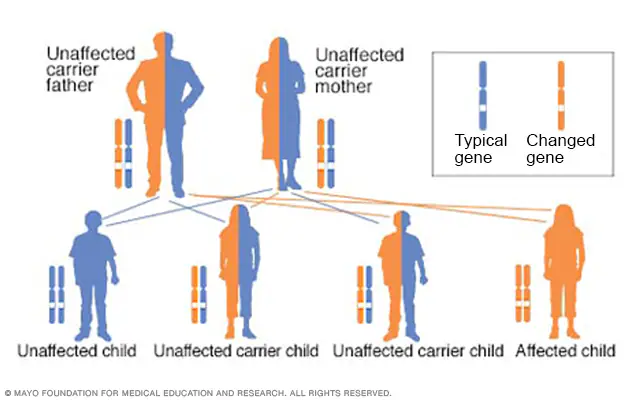
Albinism is inherited in an autosomal recessive manner, meaning both parents must carry a copy of the mutated gene for their child to inherit the condition. In ocular albinism, inheritance is typically X-linked, primarily affecting males.
Management and Prevention
While albinism has no cure, proper care can significantly improve quality of life.
Eye Care
- Regular eye exams and corrective lenses for vision impairments.
- Use of sunglasses or tinted lenses to reduce light sensitivity.
Skin Protection
- Sunscreen: Use a broad-spectrum sunscreen with a high SPF to protect against UV rays.
- Clothing: Wear sun-protective clothing, hats, and sunglasses.
- Regular Skin Checks: Routine skin exams to detect skin cancer early.
Social Support
- Promote inclusion to help reduce bullying and discrimination.
- Provide access to counseling or support groups for emotional well-being.
Genetic Counseling
If there is a family history of albinism, genetic counseling can help prospective parents understand their risks and options.
Living with Albinism
Education, awareness, and support are critical for helping individuals with albinism thrive. With appropriate eye and skin care, protection from the sun, and social support, people with albinism can lead fulfilling lives despite the challenges associated with the condition.


