


Airplane ear, also known as ear barotrauma, barotitis media, or aerotitis media, is a common condition caused by changes in air pressure. It occurs when the air pressure in the middle ear becomes imbalanced with the pressure in the environment, typically during airplane takeoff or landing. While often mild and temporary, severe cases can lead to complications requiring medical attention.
What is Airplane Ear?
Airplane ear is the result of pressure differences between the middle ear and the external environment. The eustachian tube, a narrow canal connecting the middle ear to the back of the nose and upper throat, regulates this pressure. Rapid changes in altitude, such as during an airplane’s ascent or descent, can overwhelm the eustachian tube’s ability to equalize pressure, leading to discomfort and other symptoms.
Symptoms of Airplane Ear
Airplane ear can affect one or both ears. Symptoms range from mild to severe:
Mild Symptoms
- Moderate discomfort or pain in the ear.
- A feeling of fullness or stuffiness in the ear.
- Muffled hearing or slight hearing loss.
Severe Symptoms
- Intense pain in the ear.
- Significant pressure buildup in the ear.
- Moderate to severe hearing loss.
- Ringing in the ear (tinnitus).
- Dizziness or a spinning sensation (vertigo).
- Bleeding from the ear.
When to Seek Medical Attention
Consult a doctor if symptoms such as discomfort, fullness, or hearing loss persist for more than a few days, or if severe symptoms like bleeding or vertigo occur.
Causes of Airplane Ear
Airplane ear occurs when the eustachian tube cannot equalize pressure quickly enough. This imbalance prevents the eardrum from vibrating normally. Common triggers include:
- Rapid altitude changes during airplane travel.
- Scuba diving or hyperbaric oxygen therapy.
- Explosions or sudden pressure changes, such as in war zones.
- Riding elevators in tall buildings or driving through mountainous terrain.
Risk Factors
Certain conditions can increase the risk of airplane ear by blocking or limiting eustachian tube function:
- Age: Infants and toddlers have narrower eustachian tubes, making them more susceptible.
- Illnesses: Colds, sinus infections, or middle ear infections.
- Allergies: Hay fever (allergic rhinitis) can block the eustachian tube.
- Sleeping during takeoff or landing: Reduced awareness may prevent actions like yawning or swallowing that help equalize pressure.
Complications
Although rare, untreated or severe airplane ear can lead to:
- Permanent hearing loss.
- Chronic tinnitus: Persistent ringing in the ears.
- Middle or inner ear damage.
Prevention Tips
General Tips
- Yawning and Swallowing: Activates muscles to open the eustachian tubes. Suck on candy or chew gum to encourage swallowing.
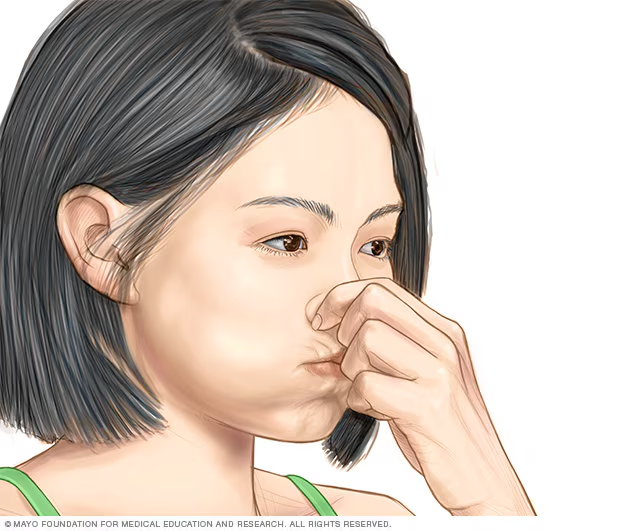
- Use the Valsalva Maneuver: Gently blow while pinching your nostrils and keeping your mouth closed. Repeat during ascent and descent to equalize pressure.
- Avoid Sleep During Takeoff and Landing: Stay awake to use self-care techniques if needed.
- Reconsider Travel Plans: Avoid flying if you have a cold, sinus infection, or recent ear surgery. Consult your doctor about safe travel timing.
Medications and Devices
- Nasal Sprays: Use a decongestant spray 30 minutes to an hour before takeoff and landing to relieve nasal congestion.
- Oral Decongestants: Use cautiously, particularly if you have heart disease, high blood pressure, or are pregnant.
- Filtered Earplugs: These slow pressure changes on the eardrum and can be found in drugstores or airports.
- Allergy Medication: Take antihistamines before your flight if you have allergies.
Surgical Options
For frequent or severe airplane ear, surgical placement of tubes in the eardrum can help drain fluid and equalize pressure.
Special Considerations for Children
Children are especially prone to airplane ear due to their underdeveloped eustachian tubes. To help them:
- Encourage Swallowing: Give infants or toddlers a bottle or pacifier during takeoff and landing. Older children can chew gum or drink through a straw.
- Avoid Decongestants: These are not recommended for young children.
- Keep Children Upright: Ensure they are seated upright when drinking or swallowing.
Managing Airplane Ear Symptoms
Mild Symptoms
- Self-Care: Yawning, swallowing, chewing gum, or performing the Valsalva maneuver can often relieve pressure and discomfort.
- Over-the-Counter Medications: Decongestants or pain relievers can help manage symptoms.
Severe Symptoms
If self-care measures do not alleviate symptoms, or if severe pain, bleeding, or hearing loss occurs, seek medical advice. A doctor may prescribe treatments such as:
- Prescription Decongestants or Steroids: To reduce inflammation.
- Pain Relievers: To manage severe discomfort.
- Surgical Intervention: For persistent or recurring cases.
Conclusion
Airplane ear is a common yet manageable condition associated with rapid pressure changes during air travel. While most cases resolve with simple self-care techniques, awareness and preventive measures can help minimize discomfort and avoid complications. For frequent travelers or those prone to severe symptoms, consulting a healthcare provider can ensure effective management and long-term relief.


