


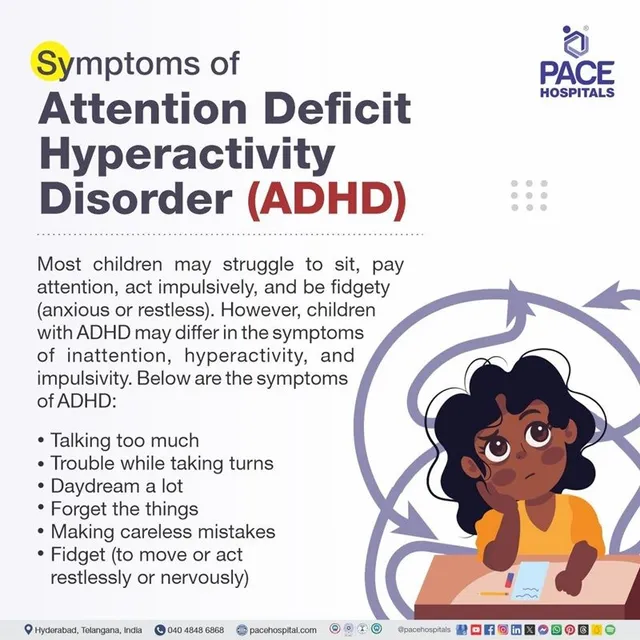
Adult attention-deficit/hyperactivity disorder (ADHD) is a mental health condition that affects focus, impulsivity, and activity levels. While ADHD is commonly associated with children, its symptoms often persist into adulthood, creating challenges in personal, professional, and social life.
Understanding Adult ADHD
What is ADHD?
ADHD in adults encompasses difficulty paying attention, impulsive behavior, and, in some cases, restlessness. Unlike childhood ADHD, hyperactivity in adults may be less pronounced, but struggles with impulsiveness and difficulty managing tasks often persist.
Why is it Different in Adults?
In adults, ADHD symptoms may not be as easily recognizable. Challenges like missed deadlines, trouble focusing, or disorganization may be mistaken for personality traits or other conditions. Often, ADHD in adults is diagnosed when its symptoms lead to significant disruption in daily life.
Symptoms of Adult ADHD
Core Symptoms
- Impulsiveness:
- Difficulty waiting in line or handling delays.
- Interrupting others or making hasty decisions.
- Inattention:
- Trouble focusing on tasks.
- Forgetfulness in daily activities.
- Restlessness:
- Feeling fidgety or constantly on the go.
Other Common Symptoms
- Disorganization and poor time management.
- Problems prioritizing tasks.
- Difficulty multitasking.
- Low frustration tolerance.
- Mood swings and irritability.
- Trouble completing projects or following through with plans.
- Poor stress management.
Severity and Diagnosis
ADHD symptoms must be persistent, disruptive, and traceable to early childhood. Unlike occasional lapses in focus or energy, ADHD significantly impacts multiple aspects of life, including work, relationships, and mental health.
When to Seek Help
Red Flags
If symptoms:
- Cause consistent issues at work or home.
- Lead to emotional distress, such as feelings of failure or frustration.
- Affect relationships and social interactions.
Who to Consult?
Seek a healthcare professional experienced in diagnosing and treating adult ADHD. This may include psychiatrists, psychologists, or general practitioners with mental health training.
Causes and Risk Factors
What Causes ADHD?
The exact causes remain unclear, but contributing factors include:
- Genetics: A family history of ADHD or other mental health disorders.
- Environment: Early exposure to toxins, such as lead.
- Developmental Issues: Problems with the central nervous system during key growth periods.
Risk Factors
- Having a close relative with ADHD.
- Maternal smoking, alcohol use, or drug consumption during pregnancy.
- Premature birth.
- Childhood exposure to environmental toxins.
Complications of Adult ADHD
ADHD can complicate life in various ways:
- Career Challenges:
- Poor job performance.
- Unemployment or frequent job changes.
- Relationship Struggles:
- Unstable relationships due to impulsivity and poor communication.
- Mental Health Issues:
- Depression, anxiety, and low self-esteem.
- Increased risk of substance use disorders.
- Other Issues:
- Financial instability.
- Legal troubles or reckless behavior.
- Poor physical health and self-care.
Coexisting Conditions
ADHD often occurs alongside other mental health conditions:
- Mood Disorders: Depression, bipolar disorder, and others may be exacerbated by repeated ADHD-related frustrations.
- Anxiety Disorders: ADHD’s challenges can heighten feelings of worry or nervousness.
- Learning Disabilities: Challenges in processing information and communication can affect academic or professional performance.
- Other Disorders: Increased risk of personality disorders, substance use disorders, and explosive behavior.
Treatment for Adult ADHD
Medications
- Stimulants:
- Commonly prescribed medications include amphetamines (Adderall) and methylphenidate (Ritalin).
- Help improve focus and reduce impulsivity.
- Non-Stimulants:
- Options like atomoxetine (Strattera) or antidepressants are prescribed if stimulants are ineffective or unsuitable.
Therapies
- Psychotherapy:
- Cognitive-behavioral therapy (CBT) to manage symptoms and build coping strategies.
- Focus on organizational skills, time management, and emotional regulation.
- Coaching and Support Groups:
- Professional ADHD coaches and peer groups provide practical guidance and emotional support.
Lifestyle Adjustments
- Routine and Organization:
- Use calendars, reminders, and apps to stay organized.
- Break tasks into smaller, manageable steps.
- Healthy Habits:
- Regular exercise, balanced nutrition, and adequate sleep improve focus and overall health.
- Stress Management:
- Practice mindfulness, meditation, or relaxation techniques.
Living with ADHD
Challenges and Resilience
ADHD in adults may bring challenges, but many individuals thrive by harnessing unique strengths, such as creativity, problem-solving, and high energy. Understanding and addressing ADHD is key to unlocking potential.
Building a Support System
- Family, friends, and healthcare professionals can provide essential support.
- Open communication about needs and challenges fosters stronger relationships.
Conclusion
Adult ADHD is a lifelong condition that affects various aspects of life but is manageable with the right combination of medication, therapy, and lifestyle changes. Awareness, early diagnosis, and treatment can help individuals lead fulfilling, productive lives while embracing their strengths.


