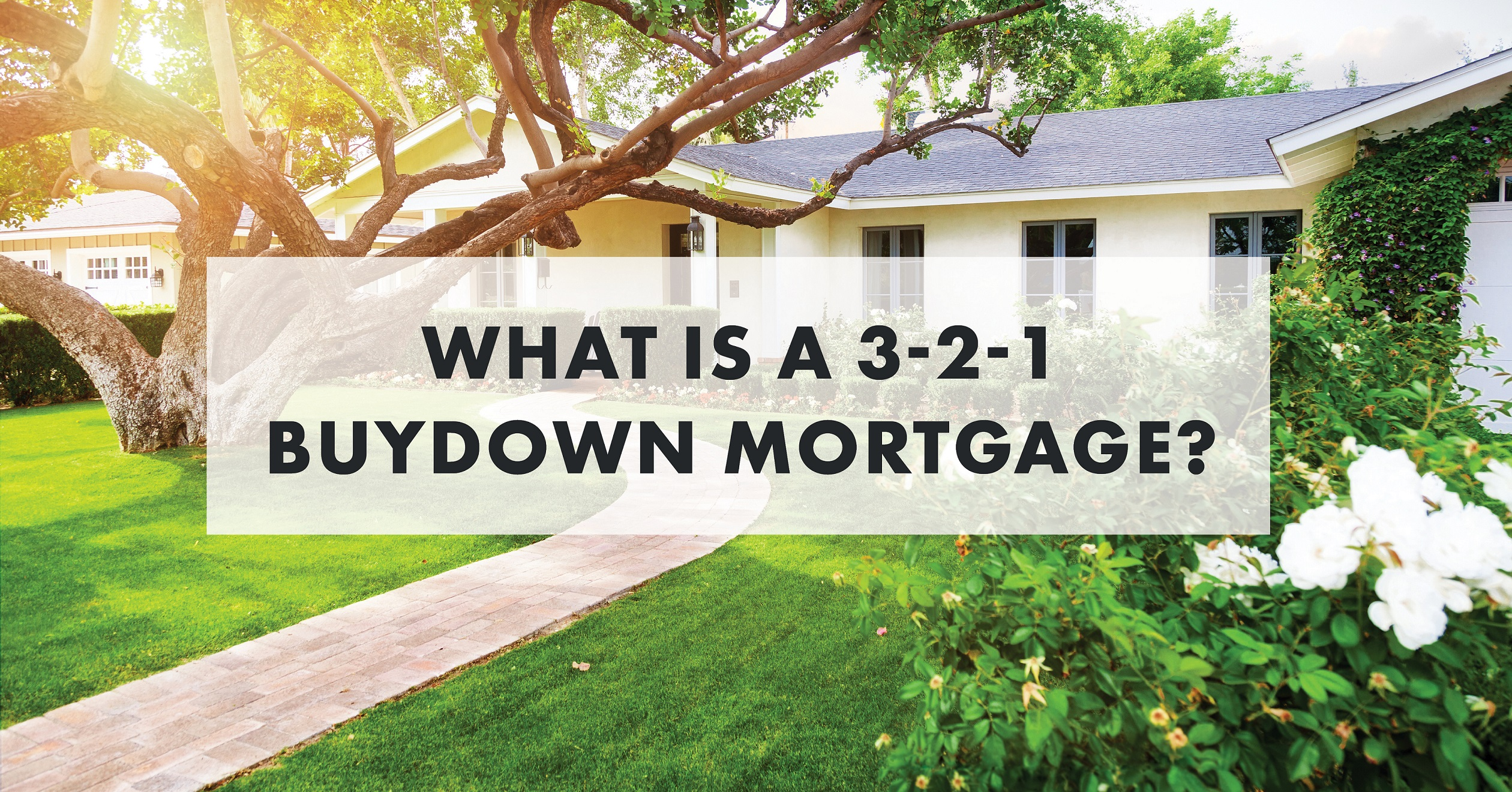
The 3-2-1 buydown mortgage became increasingly popular as rising interest rates reshaped housing affordability across global real estate markets. Designed to temporarily reduce mortgage payments during the early years of a home loan, the structure offers borrowers short-term financial relief while preserving the stability of a long-term fixed-rate mortgage.
The arrangement lowers the mortgage interest rate by:
- 3 percentage points during the first year
- 2 percentage points during the second year
- 1 percentage point during the third year
By the fourth year, the loan returns to its full permanent interest rate for the remainder of the mortgage term.
The strategy gained traction as homebuilders, lenders, and sellers searched for alternatives to outright price cuts during periods of elevated borrowing costs. For buyers, the lower introductory payments can ease the financial pressures associated with moving expenses, furnishing costs, renovations, and income transitions.
However, a 3-2-1 buydown also carries meaningful risks. The lower payments are temporary, and borrowers who fail to prepare for higher long-term obligations may face financial strain later. Understanding how these mortgages work is therefore critical for homebuyers evaluating affordability in modern housing markets.
Read Also: 25% Rule Explained
What Is a 3-2-1 Buydown Mortgage?
A 3-2-1 buydown mortgage is a financing arrangement that temporarily reduces a borrower’s mortgage interest rate during the first three years of the loan.
The structure works as follows:
| Loan Year | Interest Rate Reduction |
|---|---|
| Year 1 | 3% lower |
| Year 2 | 2% lower |
| Year 3 | 1% lower |
| Year 4 onward | Full original rate |
The mortgage itself is usually a fixed-rate loan.
The buydown only changes the payment structure during the introductory years.
Basic 3-2-1 Buydown Formula
Year 1=Rate−3%Year 2=Rate−2%Year 3=Rate−1%Year 4+=Original Rate
This staged structure creates gradually increasing mortgage payments over time.
How a 3-2-1 Buydown Works
The buydown operates through an upfront subsidy.
The Buydown Subsidy Account
The difference between:
- the reduced mortgage payments
- the full permanent payment
is deposited into a special escrow account.
The lender then draws from this account each month to supplement the borrower’s reduced payments during the buydown period.
Why Lenders Still Receive Full Payments
Although the borrower pays less initially, the lender still receives the full contractual mortgage payment because the subsidy account covers the difference.
This ensures the lender’s cash flow remains stable.
Who Pays for a 3-2-1 Buydown?
The cost is often covered by another party involved in the transaction.
Common Buydown Sponsors
The buydown may be paid by:
- the home seller
- a homebuilder
- the lender
- occasionally the employer
- sometimes the borrower
In many housing markets, builders and sellers use buydowns as incentives to attract buyers.
Read Also: 2011 Debt Ceiling Crisis Explained
Employer Relocation Assistance
Some companies also fund buydowns when relocating employees to new cities to ease housing-transition costs.
Why 3-2-1 Buydowns Became Popular
The strategy gained popularity during periods of rising mortgage rates.
Rising Rates Reduced Affordability
When interest rates increase, monthly mortgage payments rise sharply.
This reduces:
- buyer affordability
- housing demand
- refinancing activity
Instead of lowering home prices directly, many sellers and builders began offering mortgage incentives.
Builders Wanted to Preserve Home Prices
Large homebuilders often prefer buydowns over price cuts because lower prices may affect:
- neighborhood appraisals
- comparable home values
- future project pricing
- builder profit margins
Buydowns therefore became a strategic marketing tool.
Example of a 3-2-1 Buydown Mortgage
Suppose a borrower obtains:
- $400,000 mortgage
- 30-year fixed-rate loan
- permanent interest rate: 7%
Under a 3-2-1 buydown:
| Year | Effective Rate |
|---|---|
| Year 1 | 4% |
| Year 2 | 5% |
| Year 3 | 6% |
| Year 4 onward | 7% |
This structure lowers monthly payments substantially during the early years of the loan.
Read Also: 2000 Investor Limit Explained
Why Buyers Like Lower Introductory Payments
The first years of homeownership often involve substantial expenses.
Early Financial Pressures
New homeowners may face:
- moving costs
- furniture purchases
- repairs
- renovations
- property taxes
- childcare expenses
Temporary payment relief can improve short-term cash flow flexibility.
Income Growth Expectations
Some borrowers expect their income to rise because of:
- career advancement
- salary growth
- business expansion
- dual-income transitions
A 3-2-1 buydown can help bridge affordability gaps during those transitions.
Advantages of a 3-2-1 Buydown
The mortgage structure offers several potential benefits.
Lower Initial Monthly Payments
The primary advantage is reduced mortgage payments during the first three years.
This can improve:
- budgeting flexibility
- affordability
- short-term financial stability
Read Also: 2/28 ARM Explained
Easier Entry Into Expensive Markets
The structure may help buyers purchase homes in higher-cost markets where fixed-rate mortgage payments initially feel difficult.
Greater Payment Predictability Than ARMs
Unlike adjustable-rate mortgages, the permanent rate is known upfront.
Fixed Long-Term Rate
Borrowers know exactly:
- when payments will rise
- how much the permanent rate will be
This reduces uncertainty compared with traditional adjustable-rate mortgages.
Less Interest Rate Risk
A fixed-rate 3-2-1 buydown avoids future market-driven rate increases after the introductory period ends.
Risks of a 3-2-1 Buydown
Despite the benefits, the structure carries important risks.
Payment Shock
The largest risk involves rising payments after the buydown expires.
Monthly obligations increase each year during the first three years.
Payment Increase Formula
PaymentYear 4>PaymentYear 1
Borrowers who fail to prepare may struggle financially once full payments begin.
Read Also: 2-1 Buydown Explained
Affordability Illusions
Lower introductory rates may encourage buyers to purchase homes beyond their long-term financial capacity.
This can create hidden affordability problems.
Income Growth Assumptions
Many buyers assume future income increases will offset higher mortgage payments.
However, future income growth is never guaranteed.
Unexpected events such as:
- layoffs
- recessions
- medical emergencies
- business slowdowns
can create financial strain.
Potential Home Price Inflation
Some sellers may indirectly pass buydown costs to buyers.
Hidden Pricing Concerns
A seller could increase the home’s asking price to offset the subsidy expense.
This means buyers should evaluate whether the property remains fairly priced even with financing incentives.
Comparing Alternative Strategies
Sometimes buyers may benefit more from:
- negotiating a lower purchase price
- making a larger down payment
- purchasing mortgage points permanently
rather than relying on temporary payment reductions.
Read Also: 1979 Energy Crisis Explained
3-2-1 Buydown vs 2-1 Buydown
Both structures temporarily reduce mortgage payments, but the timelines differ.
| Feature | 3-2-1 Buydown | 2-1 Buydown |
|---|---|---|
| Introductory Period | 3 years | 2 years |
| Initial Reduction | 3% | 2% |
| Payment Transition | More gradual | Faster |
| Subsidy Cost | Higher | Lower |
The 3-2-1 structure creates a slower payment increase schedule but requires a larger upfront subsidy.
3-2-1 Buydown vs Adjustable-Rate Mortgage
The structures are fundamentally different.
| Feature | 3-2-1 Buydown | Adjustable-Rate Mortgage |
|---|---|---|
| Initial Lower Payments | Yes | Yes |
| Long-Term Rate Certainty | Yes | No |
| Market Rate Exposure | Limited | Higher |
| Payment Predictability | Stronger | Lower |
A 3-2-1 buydown maintains long-term rate certainty because the permanent rate is predetermined.
Why Lenders Still Carefully Underwrite Borrowers
Lenders usually qualify borrowers based on the permanent mortgage payment—not the introductory reduced payment.
Long-Term Repayment Ability Matters
This helps protect both:
- lenders
- borrowers
from excessive risk.
The lender wants to ensure the borrower can ultimately afford the full mortgage obligation after the buydown period ends.
When a 3-2-1 Buydown Makes Sense
The structure may work best for borrowers who:
- expect rising income
- want temporary payment relief
- value short-term budgeting flexibility
- plan long-term homeownership
- receive seller-funded incentives
However, borrowers already stretching affordability at the permanent payment level should proceed cautiously.
Questions Buyers Should Ask Before Choosing a 3-2-1 Buydown
Homebuyers should carefully evaluate:
- Can I comfortably afford the year-four payment?
- Am I relying too heavily on future income growth?
- Is the home fairly priced?
- Would a lower-priced property be safer financially?
- Would a permanent rate buydown be more valuable?
These questions help reduce long-term affordability risk.
Read Also: 130-30 Strategy Explained
Why the 3-2-1 Buydown Matters Today
The popularity of buydowns reflects broader changes in housing finance and monetary policy.
As interest rates rise, creative financing structures increasingly influence:
- housing demand
- affordability
- homebuilder strategies
- consumer borrowing behavior
The resurgence of buydown mortgages also demonstrates how sensitive real estate markets remain to central-bank interest-rate policy.
Frequently Asked Questions
What is a 3-2-1 buydown mortgage?
A 3-2-1 buydown mortgage temporarily lowers the borrower’s interest rate by 3% in year one, 2% in year two, and 1% in year three before returning to the permanent rate.
Who usually pays for a 3-2-1 buydown?
The cost is often paid by the seller, homebuilder, lender, employer, or occasionally the borrower.
Is a 3-2-1 buydown a fixed-rate mortgage?
Usually yes. The permanent interest rate remains fixed after the introductory buydown period ends.
What are the risks of a 3-2-1 buydown?
The biggest risk is payment shock once the mortgage reaches its full permanent rate.
Is a 3-2-1 buydown safer than an adjustable-rate mortgage?
Generally yes, because the long-term mortgage rate is predetermined rather than tied to future market-rate adjustments.
Why do builders offer 3-2-1 buydowns?
Builders use buydowns to attract buyers while avoiding direct price reductions.
Can a buyer pay for the buydown personally?
Yes. In some cases, borrowers may fund the buydown themselves if they believe the short-term payment savings justify the upfront cost.
Key Takeaways
- A 3-2-1 buydown temporarily reduces mortgage interest rates during the first three years.
- Payments gradually increase until the full permanent rate begins in year four.
- Sellers and builders commonly use buydowns as marketing incentives.
- The structure provides short-term affordability relief.
- Borrowers must prepare for higher long-term payments.
- The mortgage is generally less risky than an adjustable-rate mortgage.
- Buyers should evaluate affordability using the permanent payment structure.
Conclusion
The 3-2-1 buydown mortgage became a major affordability strategy during periods of elevated interest rates because it offers temporary payment relief while preserving the stability of a long-term fixed-rate loan.
For buyers, the structure can ease the transition into homeownership by reducing early financial pressure and improving short-term cash flow flexibility. For sellers and builders, it provides a powerful alternative to direct price reductions while helping maintain housing demand in challenging markets.
But the structure also requires financial discipline. Temporary savings should never obscure the reality of long-term mortgage obligations. Borrowers who focus only on lower introductory payments without preparing for future increases may expose themselves to significant financial stress later.
Ultimately, a 3-2-1 buydown works best when it aligns with realistic income expectations, long-term budgeting discipline, and careful housing affordability planning.
Read Also: 18-Hour City Explained