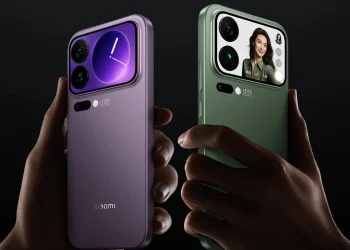
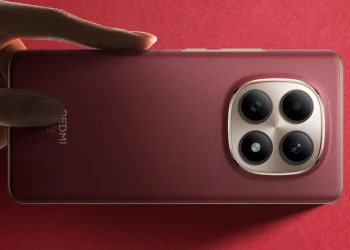
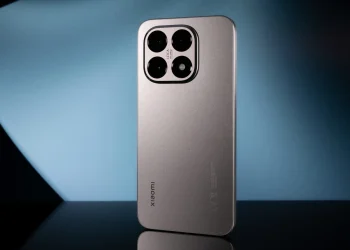
The Xiaomi 15T vs Xiaomi 15 Pro comparison highlights two phones that look similar on paper but target very different users. The Xiaomi 15T focuses on balanced performance and affordability, while the Xiaomi 15 Pro pushes closer to flagship territory with stronger hardware, better cameras, and faster charging.
At first glance, both devices share design language, display size, and battery capacity. However, once you look deeper into chipset performance, camera hardware, and overall feature set, the differences become more meaningful.
Specifications Comparison
| Feature | Xiaomi 15T | Xiaomi 15 Pro |
|---|---|---|
| Display | 6.83″ AMOLED, 120Hz | 6.83″ AMOLED, 144Hz |
| Chipset | Dimensity 8400 Ultra (4nm) | Dimensity 9400+ (3nm) |
| GPU | Mali-G720 MC7 | Immortalis-G925 |
| RAM & Storage | 12GB + 256/512GB | 12GB + 256/512GB/1TB |
| Main Camera | 50MP (1/1.55″) | 50MP (1/1.31″) |
| Telephoto | 50MP 2x | 50MP periscope 5x |
| Ultrawide | 12MP | 12MP |
| Battery | 5500mAh | 5500mAh |
| Charging | 67W wired | 90W wired + 50W wireless |
| Video | 4K max | 8K + 4K120 |
| Build | Plastic frame | Aluminum frame |
| Weight | 194g | 210g |
Design and Build Quality
The Xiaomi 15T uses a plastic frame, while the 15 Pro upgrades to an aluminum frame, which improves rigidity and overall feel.
Both phones feature Gorilla Glass protection and IP68 water resistance. However, the Pro model feels more premium in hand due to its materials and slightly thicker build.
The 15T is lighter and easier to handle. Meanwhile, the 15 Pro feels denser and more solid.
Display Performance
Both phones share a 6.83-inch AMOLED panel, but the refresh rate differs.
The Xiaomi 15T uses 120Hz, which is already smooth for most users.
The Xiaomi 15 Pro increases this to 144Hz, offering slightly smoother motion, especially in gaming.
In practice, the difference is noticeable mainly in fast-paced games. For everyday use, both displays feel equally fluid.
Performance and Benchmarks
This is where the gap becomes clear.
The Xiaomi 15 Pro uses the Dimensity 9400+ (3nm), which is significantly more powerful than the 8400 Ultra inside the 15T.
Benchmark comparison:
- Xiaomi 15T: ~1.64M AnTuTu
- Xiaomi 15 Pro: ~2.68M AnTuTu
Real-world performance
The Xiaomi 15T handles daily tasks and gaming well. However, the 15 Pro delivers faster app launches and better multitasking under heavy workloads.
In gaming, the difference becomes more obvious. The 15 Pro maintains higher frame rates and handles demanding titles more comfortably.
Thermal performance
Both phones experience thermal throttling under load.
However, the 15 Pro maintains higher sustained performance due to its more advanced chipset and likely improved cooling.
Camera Performance
Main camera analysis
The Xiaomi 15 Pro features a larger 1/1.31-inch sensor, compared to the 1/1.55-inch sensor on the 15T.
This results in:
- Better light capture
- Improved dynamic range
- More detailed images
Telephoto difference
This is the biggest camera upgrade.
- Xiaomi 15T: 2x optical zoom
- Xiaomi 15 Pro: 5x periscope zoom
The Pro model is significantly better for zoom photography and portraits.
Low-light performance
The 15 Pro performs better in low light due to its larger sensor.
The 15T still produces good results, but noise control and detail are slightly weaker.
Video performance
The Xiaomi 15 Pro supports 8K video and 4K at 120fps, while the 15T is limited to 4K60.
For creators, the Pro offers more flexibility.
Battery and Charging
Both phones include a 5500mAh battery, but charging speeds differ significantly.
- Xiaomi 15T: 67W wired
- Xiaomi 15 Pro: 90W wired + 50W wireless
The 15 Pro charges faster and offers wireless charging, which the 15T lacks.
Battery life is slightly better on the Pro due to efficiency improvements.
Software and User Experience
Both phones run Android 15 with HyperOS 3.
User experience is similar across both devices.
However, the 15 Pro may receive better long-term optimization due to its higher-end hardware.
Connectivity and Extras
The Xiaomi 15 Pro adds Wi-Fi 7 support, while the 15T is limited to Wi-Fi 6E.
Other features such as NFC, Bluetooth 6, and IR blaster are present on both devices.
Audio and Multimedia
Both phones feature stereo speakers with Dolby Atmos.
Audio performance is nearly identical, with clear sound and good loudness.
Competition and Market Position
The Xiaomi 15T sits in the upper midrange segment, competing with:
- Samsung Galaxy FE series
- Poco F-series
The Xiaomi 15 Pro moves closer to flagship competition, including:
- Samsung Galaxy S Ultra series
- Premium Android flagships
Verdict
The Xiaomi 15T vs Xiaomi 15 Pro decision depends on your priorities.
Choose the Xiaomi 15T if you want:
- Lower price
- Balanced performance
- Good battery life
Choose the Xiaomi 15 Pro if you want:
- Better performance
- Superior camera system
- Faster charging and wireless charging
Why This Phone Matters in Africa
In Kenya and similar markets, pricing plays a major role.
The Xiaomi 15T offers strong value, while the 15 Pro targets users willing to pay more for flagship features.
Pricing Sensitivity
The Xiaomi 15 Pro is significantly more expensive.
For many buyers, the 15T offers better value for money.
Network Compatibility
Both devices support 5G and work well with Kenyan networks.
Battery Reliability
Both phones offer strong battery life.
However, the 15 Pro adds faster charging and more convenience.
Repair and Resale Value
Both devices have moderate resale value.
Repairability is similar, though premium parts on the Pro may cost more.
Final Thoughts
The Xiaomi 15T is the smarter buy for most users.
The Xiaomi 15 Pro is the better phone overall, but only if you need its extra power and camera features.
Who should buy Xiaomi 15T
Users who want value and strong everyday performance
Who should buy Xiaomi 15 Pro
Power users, gamers, and photography enthusiasts
Longevity outlook
- Xiaomi 15T: 3–4 years
- Xiaomi 15 Pro: 4–5 years