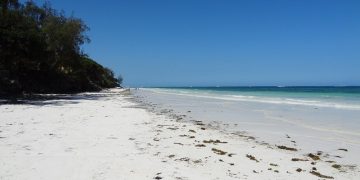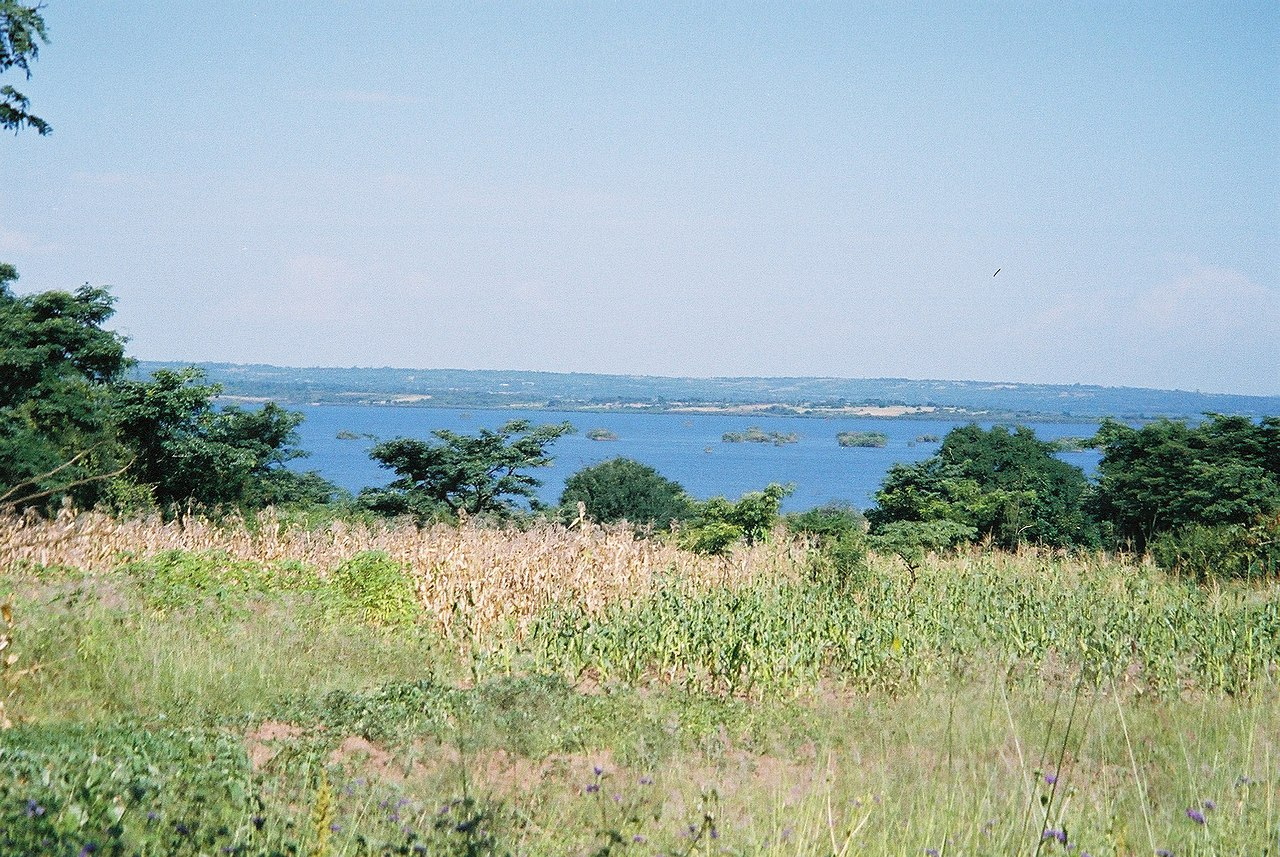
Wetlands in Kenya are among the country’s most valuable but often overlooked ecosystems. They are places where water, soil, plants, animals, and people meet. Some appear as papyrus swamps, marshes, floodplains, deltas, mangroves, mudflats, lagoons, shallow lakes, riverbanks, irrigation schemes, dams, salt marshes, coral reef flats, or seasonal pools. Others are small green pockets hidden in crowded towns, farmlands, valleys, lake edges, and dryland landscapes.
A wetland is a distinct semi-aquatic ecosystem whose groundcovers are flooded or saturated in water, either permanently, for years or decades, or only seasonally. Flooding results in oxygen-poor (anoxic) processes taking place, especially in the soils.
Kenya is known for mountains, savannahs, beaches, wildlife parks, lakes, and the Great Rift Valley, but wetlands quietly support much of the country’s ecological health. They store water, filter pollution, reduce floods, support fisheries, protect birds, recharge groundwater, provide grazing, sustain agriculture, and create habitats for plants and animals that cannot survive elsewhere.
What Are Wetlands in Kenya?
Wetlands in Kenya are ecosystems that combine features of land and water. They are shaped by waterlogged soil, wetland vegetation, seasonal or permanent flooding, shallow water, or saturated ground. Some are wet all year. Others appear only during rainy seasons.
The Ramsar Convention defines wetlands broadly as areas of marsh, fen, peatland, or water, whether natural or artificial, permanent or temporary, with static or flowing water, fresh, brackish, or salt, including areas of marine water where depth at low tide does not exceed six metres.
This definition is important because it shows that wetlands are not only swamps. They include shallow lakeshores, river edges, mangroves, deltas, mudflats, lagoons, floodplains, irrigation schemes, dams, and coastal flats.
Why Wetlands Are Different From Deep Lakes and Rivers
Wetlands are often linked to rivers and lakes, but they are not the same thing as permanent deep-water bodies. A deep lake may have wetland zones along its shores. A river may have riverine wetlands along its banks. A coastline may have marine wetlands in shallow tidal areas.
This distinction matters because wetlands are transitional ecosystems. They sit between land and water, and that is why they support unique plants, birds, fish, amphibians, insects, mammals, and human livelihoods.
Why Wetlands in Kenya Matter
Wetlands in Kenya matter because they provide ecosystem services that are essential to human life, biodiversity, and climate resilience. Although wetlands occupy a relatively small share of Kenya’s land area, their value is far greater than their size.
The Biodiversity Atlas of Kenya states that wetlands cover about 3–4% of Kenya’s land area. Their size and composition vary with climate, expanding during wet periods and shrinking during dry periods.
The supplied source also notes that Kenya’s wetlands are estimated to occupy around 3–4% of the country’s land mass, temporarily increasing to about 6% during rainy seasons.
Water Storage and Flood Control
Wetlands act like natural sponges. They absorb and store excess water during rainy seasons, then slowly release it into rivers, groundwater, and surrounding landscapes.
This helps reduce flooding downstream and supports water availability during dry periods.
Water Purification
Wetland plants, soils, and microorganisms help filter water. They trap sediments, absorb nutrients, and reduce pollutants before water enters lakes, rivers, or groundwater systems.
This makes wetlands important for water quality.
Biodiversity Habitat
Wetlands support birds, fish, reptiles, amphibians, insects, mammals, grasses, reeds, papyrus, mangroves, and aquatic plants. Many migratory birds depend on wetlands during long journeys.
Kenya’s Rift Valley lakes, Lake Victoria wetlands, coastal deltas, and papyrus swamps are especially important bird habitats.
Livelihood Support
Wetlands support fishing, grazing, farming, papyrus harvesting, tourism, salt production, water supply, reeds, craft materials, transport, and cultural practices.
For many communities, wetlands are not empty or wasted land. They are productive landscapes.
Climate Resilience
Wetlands help communities adapt to climate change by storing water, reducing flood impacts, supporting dry-season livelihoods, and protecting biodiversity.
Coastal wetlands such as mangroves can also help reduce erosion and protect shorelines.
Kenya and the Ramsar Convention
The Ramsar Convention is an international treaty focused on the conservation and wise use of wetlands, especially wetlands of international importance. The supplied source notes that Kenya acceded to the Ramsar Convention on October 5, 1990, and that Kenya Wildlife Service is designated as the convention’s implementing authority and national focal point.
The broad aim of the Ramsar Convention is to halt wetland loss and promote wise use, conservation, management, international cooperation, and public awareness.
Ramsar Sites in Kenya
Kenya has six Ramsar Sites:
Lake Nakuru
Lake Naivasha
Lake Bogoria
Lake Baringo
Lake Elementaita
Tana River Delta
The original source states that Kenya had five Ramsar Sites, all lakes in the Rift Valley: Nakuru, Naivasha, Bogoria, Baringo, and Elementaita. It also explains that they are lacustrine wetlands and important bird habitats.
For an updated article, it is important to add the Tana River Delta. Wetlands International reported that the Tana River Delta Ramsar Site covers 163,600 hectares, was officially established in October 2012, and became Kenya’s sixth Ramsar Site and the only Ramsar wetland outside the Rift Valley.
The Rift Valley Ramsar Lakes
Lake Nakuru, Lake Naivasha, Lake Bogoria, Lake Baringo, and Lake Elementaita are internationally recognized because of their ecological value, birdlife, and wetland importance.
Lake Baringo and Lake Naivasha are freshwater lakes. Lake Nakuru, Lake Bogoria, and Lake Elementaita are alkaline lakes. The supplied source notes that these relatively shallow lakes collectively cover about 1,018 square kilometres and are a major part of Kenya’s birding and tourist circuit.
Major Types of Wetlands in Kenya
The Ramsar system broadly classifies wetlands into inland, marine and coastal, and human-made wetlands. These are then subdivided into many types. The supplied source explains that Kenya’s diverse climate and topography support six main wetland types: riverine, lacustrine, palustrine, estuarine, marine, and human-made wetlands.
Riverine Wetlands in Kenya
Riverine wetlands occur along rivers and streams. They are shaped by flowing water, seasonal flooding, riverbanks, channels, oxbow areas, sandbars, and riparian vegetation.
The supplied source identifies riverine wetlands along major watercourses such as the Athi, Ewaso Ng’iro, Nyando, Yala, and Tana rivers, although the Tana is also discussed under estuarine wetlands because of its delta.
Why Riverine Wetlands Matter
Riverine wetlands are important because they provide corridors of life through both wet and dry landscapes. They support birds, fish, frogs, insects, mammals, livestock, farming, and riverbank vegetation.
In dry areas, riverine wetlands may be the only reliable green zones for long distances.
Examples of Riverine Wetlands
Important river-linked wetland systems include:
Athi River Basin
Nyando Wetland
Mara River Arc
River Sio Siteki Swamp
Tana River floodplain
Ewaso Ng’iro-linked wetlands
Yala River wetlands
These wetlands are often under pressure from agriculture, settlement, water abstraction, sand harvesting, and pollution.
Lacustrine Wetlands in Kenya
Lacustrine wetlands occur in and around lakes. They are influenced by lake water levels, shorelines, shallow zones, sediments, reeds, algae, salinity, and seasonal changes.
The supplied source notes that lacustrine wetlands are common in the Lake Victoria basin and Rift Valley region, but they also occur around crater lakes and mountain lakes such as Lake Simbi Nyaima, Lake Sonachi or Crater Lake, Lake Alice, Tyndall Tarn, Hut Tarn, and Hanging Tarn.
Rift Valley Lacustrine Wetlands
The Rift Valley wetlands include lakes such as Baringo, Bogoria, Nakuru, Elementaita, and Naivasha. These wetlands are important for flamingos, pelicans, fish eagles, ducks, waders, hippos, fish, and tourism.
Lake Elementaita was designated a Ramsar Site in 2005, gazetted as a National Wildlife Sanctuary in 2010, and later listed with Nakuru and Bogoria as part of the Kenya Lake System in the Great Rift Valley World Heritage Site in 2011.
Lake Victoria Wetlands
Lake Victoria wetlands include papyrus swamps, floodplains, river mouths, and lake-edge habitats. These wetlands support fish breeding, birdlife, local fishing, papyrus crafts, grazing, water filtration, and community livelihoods.
Yala Swamp and Dunga Wetland are among the best-known examples in the Lake Victoria basin.
Palustrine Wetlands in Kenya
Palustrine wetlands include marshes, swamps, bogs, and floodplains. They usually lack flowing water and are non-tidal. Their defining feature is persistent wetland vegetation such as papyrus, sedges, reeds, grasses, and aquatic plants.
The supplied source explains that many small palustrine wetlands serve as habitat islands within heavily populated areas, while others serve agricultural functions, such as Kingwal Swamp in Nandi County and the Nyando floodplain in Kisumu County.
Why Palustrine Wetlands Are Important
Palustrine wetlands are important for:
Papyrus habitat
Bird nesting
Water storage
Flood control
Fish breeding
Grazing
Agriculture
Carbon storage
Amphibians and insects
Community resources
They are also among the most threatened because they are often drained for farming or settlement.
Examples of Palustrine Wetlands
Important examples include:
Yala Swamp
Lorian Swamp
Loboi Swamp
Ondiri Swamp
Kingwal Swamp
Kanderi Swamp
Shompole Swamp
Nyando Wetland
Kanderi Swamp
Estuarine Wetlands in Kenya
Estuarine wetlands occur where freshwater and salty water mix. They include deltas, tidal marshes, mangroves, creeks, and brackish-water systems.
The supplied source lists estuarine wetlands in the Tana River Delta, Mombasa, Shimo La Tewa, Kilifi, Turtle Bay, and the islands of Lamu, Pate, and Manda.
Tana River Delta
The Tana River Delta is Kenya’s most important estuarine wetland. It is where Kenya’s longest river meets the Indian Ocean, creating floodplains, mangroves, grasslands, channels, beaches, brackish habitats, and rich biodiversity.
The Tana River Delta Ramsar Site covers 163,600 hectares and is eastern Africa’s second most important river delta and estuarine ecosystem, according to Wetlands International.
Sabaki Delta
The River Sabaki Delta in Kilifi County is another important estuarine and coastal wetland. It supports birds, fish, mangroves, mudflats, and coastal livelihoods.
River mouths such as Sabaki are important because they connect inland water systems to the ocean.
Marine Wetlands in Kenya
Marine wetlands are coastal wetlands exposed to ocean waves, tides, and currents. They often have high salinity and include lagoons, shingle beaches, mangroves, rocky shorelines, salt marshes, mudflats, seabeds, seagrass beds, and coral reefs.
The supplied source explains that Kenya’s marine wetlands include lagoons, shingle beaches, mangroves, rocky shorelines, salt marshes, mudflats, seabeds, and coral reefs, each with unique hydrological and topographical features.
Mangroves
Mangroves are some of Kenya’s most valuable coastal wetlands. They protect shorelines, support fish breeding, store carbon, provide wood resources, shelter birds, and support coastal livelihoods.
Mangroves are found in places such as Lamu, Tana Delta, Mida Creek, Gazi, Vanga, Kilifi, Mombasa, and other creek systems.
Seagrass Beds and Coral Reef Flats
Seagrass beds occur in shallow coastal waters and provide habitat for fish, turtles, invertebrates, and marine life. Coral reefs occur further seaward, especially around marine protected areas.
The supplied source notes that coral reefs occur around Marine Protected Areas such as Mombasa and Malindi Marine National Parks and Reserves.
Human-Made Wetlands in Kenya
Human-made wetlands include dams, reservoirs, irrigation schemes, rice fields, wastewater treatment ponds, fish ponds, canals, and water impoundments created for agriculture, hydropower, or urban use.
The supplied source identifies irrigation schemes such as Mwea, Ahero, and Bunyala, as well as hydropower dams associated with the Seven Forks Project, as part of Kenya’s human-made wetland systems.
Why Human-Made Wetlands Matter
Artificial wetlands can support birds, fish, agriculture, flood control, wastewater treatment, and local livelihoods. Rice schemes, for example, often attract waterbirds and support farming communities.
However, they must be managed carefully to avoid pollution, water waste, habitat loss, and conflict with natural wetlands.
Important Wetlands in Kenya
Kenya has many wetlands, both famous and little known. Some are internationally recognized. Others are locally important.
Yala Swamp
Yala Swamp is one of Kenya’s most important freshwater wetlands. It is located in the Lake Victoria basin and is shared around Busia and Siaya landscapes.
It supports papyrus, birds, fish, agriculture, grazing, and local livelihoods. It is also an important refuge for wetland biodiversity.
Why Yala Swamp Matters
Yala Swamp acts as a filter before water reaches Lake Victoria. It supports fish breeding, bird habitats, papyrus harvesting, and local communities.
However, it has faced pressure from drainage, farming, development, and land-use change.
Lorian Swamp
Lorian Swamp in Garissa County is one of Kenya’s major dryland wetlands. It receives water from the Ewaso Ng’iro North system and supports wildlife, pastoralists, birds, and dryland biodiversity.
A Dryland Wetland Lifeline
In arid and semi-arid areas, wetlands like Lorian are especially important because they provide rare water and vegetation.
They also show that wetlands are not found only in green or rainy regions. Some of the most important wetlands exist in drylands.
Lake Amboseli Wetland
Lake Amboseli in Kajiado County is a seasonal lake and wetland system linked to Amboseli’s dryland ecosystem.
Although Amboseli is often known for elephants and views of Mount Kilimanjaro, its wetlands and swamps are what make wildlife viewing possible, especially during dry periods.
Why Amboseli Wetlands Matter
Amboseli’s wetland systems support elephants, hippos, buffaloes, birds, and many other animals. They are fed by groundwater linked to Kilimanjaro’s hydrological systems.
These wetlands are vital because the surrounding landscape is dry for much of the year.
Ondiri Swamp
Ondiri Swamp in Kiambu County is one of Kenya’s most important urban and peri-urban wetlands. It lies near Kikuyu and is often described as a quaking bog.
Why Ondiri Swamp Matters
Ondiri is important for groundwater recharge, biodiversity, climate regulation, local history, and environmental education. Because it is close to Nairobi and Kikuyu’s growing urban area, it faces strong pressure from pollution, encroachment, farming, and settlement.
Urban wetlands like Ondiri show why conservation is not only a rural issue.
Dunga Wetland
Dunga Wetland in Kisumu County is one of the best-known Lake Victoria wetland tourism sites. It is associated with papyrus habitat, birdwatching, boardwalk experiences, boat rides, fish culture, and lakeside community life.
Why Dunga Wetland Matters
Dunga connects conservation, tourism, education, and local livelihoods. Visitors can learn about papyrus, wetland birds, fish, and community-based tourism.
It is also a good example of how wetlands can become visitor attractions without losing their ecological value when managed responsibly.
Tana River Delta
The Tana River Delta is one of Kenya’s most important wetlands. It supports floodplains, mangroves, grasslands, farming, fishing, pastoralism, birds, primates, fish, and coastal biodiversity.
Why the Tana Delta Matters
The delta is important for local communities, wildlife, and coastal resilience. It is also a Ramsar Site, making it internationally recognized.
Because it receives water from the Tana River, its health depends on both upstream and downstream management.
Sabaki Delta
The Sabaki Delta in Kilifi County is another important coastal wetland. It forms where the Athi-Galana-Sabaki River meets the Indian Ocean.
The delta supports birds, fish, mangroves, mudflats, and estuarine habitats. It is especially important for birdwatchers and coastal ecology.
Kingwal Swamp
Kingwal Swamp in Nandi County is an important palustrine wetland. It is associated with agriculture, water storage, and wetland biodiversity.
The supplied source notes that Kingwal Swamp also serves agricultural purposes.
Loboi Swamp
Loboi Swamp in Baringo County is a wetland associated with the Baringo-Bogoria landscape. It supports birds, local livelihoods, water storage, and ecological functions in a semi-arid region.
County-by-County Index of Wetlands in Kenya
The following index organizes the wetlands from the supplied source by county.
Baringo County
Loboi Swamp
Busia County
Yala Swamp
River Sio Siteki Swamp
Budalang’i Delta
Garissa County
Lorian Swamp
Kajiado County
Shompole Swamp
Lake Amboseli
Kiambu County
Ondiri Swamp
Kilifi County
River Sabaki Delta
Kisumu County
Nyando Wetland, also known as Kusa Wetland
Machakos County
Athi River Basin
Nakuru County
Rift Valley Wetlands
Nandi County
Kingwal Swamp
Narok County
Mara River Arc
Tana River County
Tana River Delta
Taita Taveta County
Kanderi Swamp
Wetlands in Kenya by Type
For easier understanding, Kenya’s wetlands can also be grouped by type.
Riverine Wetlands
Athi River Basin
Mara River Arc
Nyando Wetland
River Sio Siteki Swamp
Tana River floodplains
Ewaso Ng’iro-linked wetlands
Lacustrine Wetlands
Lake Nakuru
Lake Naivasha
Lake Bogoria
Lake Baringo
Lake Elementaita
Lake Amboseli
Lake Victoria wetlands
Lake Simbi Nyaima
Crater Lake wetlands
Palustrine Wetlands
Yala Swamp
Lorian Swamp
Loboi Swamp
Ondiri Swamp
Kingwal Swamp
Shompole Swamp
Kanderi Swamp
Estuarine Wetlands
Tana River Delta
River Sabaki Delta
Budalang’i Delta
Mombasa creeks
Kilifi creek systems
Lamu, Pate, and Manda island wetland systems
Marine Wetlands
Mangroves
Mudflats
Salt marshes
Seagrass beds
Rocky shores
Coral reef flats
Lagoons
Shallow marine areas
Human-Made Wetlands
Mwea Irrigation Scheme
Ahero Irrigation Scheme
Bunyala Irrigation Scheme
Seven Forks dams and reservoirs
Fish ponds
Water storage dams
Wastewater treatment ponds
Wetlands and Birdwatching in Kenya
Wetlands are among Kenya’s best birdwatching habitats. They support resident birds, migratory birds, waterfowl, shorebirds, raptors, and papyrus specialists.
Important Wetland Birds
Kenya’s wetlands may support:
Flamingos
Pelicans
Herons
Egrets
Storks
Fish eagles
Kingfishers
Jacanas
Ducks
Geese
Cormorants
Waders
Papyrus specialists
Migratory shorebirds
Best Wetlands for Birding
Lake Nakuru
Lake Bogoria
Lake Baringo
Lake Elementaita
Lake Naivasha
Dunga Wetland
Yala Swamp
Sabaki Delta
Tana River Delta
Mida Creek
Ondiri Swamp
Lake Amboseli wetlands
Birding tourism can help wetlands economically when managed responsibly.
Wetlands and Local Livelihoods
Wetlands support many livelihoods in Kenya.
Fishing
Wetlands provide fish breeding grounds and support fishing communities around Lake Victoria, Lake Naivasha, Lake Baringo, Tana Delta, Sabaki Delta, coastal creeks, and other water bodies.
Agriculture
Floodplains and wetland edges are often used for farming because they have moisture and fertile soils. Rice schemes such as Mwea, Ahero, and Bunyala are examples of human-made wetland agriculture.
Grazing
During dry seasons, wetlands provide pasture and water for livestock.
Papyrus and Craft Materials
Papyrus and reeds are used for mats, baskets, thatching, crafts, and household products.
Tourism
Wetlands attract birdwatchers, photographers, boaters, hikers, researchers, students, and nature lovers.
Conservation Challenges Facing Wetlands in Kenya
Wetlands in Kenya face serious threats despite their importance.
Drainage and Conversion
Many wetlands are drained for farming, settlement, roads, or commercial development. This destroys habitat and reduces water storage.
Pollution
Wetlands receive pollutants from towns, farms, industries, sewage, plastics, fertilizers, pesticides, and runoff.
Over-Abstraction of Water
Rivers and wetlands lose water when too much is taken for irrigation, industry, domestic use, and livestock.
Invasive Species
Invasive plants can choke wetlands, reduce biodiversity, and disrupt fishing or transport.
Overgrazing
Livestock pressure can damage wetland vegetation, compact soils, and increase erosion.
Climate Change
Climate change affects rainfall, drought, floods, wetland extent, water temperature, and species distribution.
Encroachment
Urban and agricultural expansion is a major threat to wetlands near towns, such as Ondiri Swamp and other peri-urban wetlands.
Nature Kenya warns that wetland conversion and degradation endanger biodiversity, disrupt ecosystem services, and pose risks to local livelihoods.
How Kenya Can Protect Wetlands
Wetland conservation requires cooperation between national government, county governments, communities, landowners, farmers, conservation groups, researchers, tourism operators, and visitors.
Complete a National Wetlands Inventory
The supplied source notes that the exact extent of Kenya’s wetlands remains uncertain partly because of lack of a wetlands inventory.
A national wetlands inventory would help identify, map, monitor, and protect wetlands more effectively.
Apply Wise Use Principles
The Ramsar Convention promotes wise use, which means conserving wetlands while allowing sustainable benefits for people.
Wise use does not mean locking communities out. It means using wetlands without destroying the ecological processes that keep them alive.
Protect Riparian Zones
Wetland edges, riverbanks, and lakeshores need protection from construction, farming, pollution, and vegetation clearing.
Support Community Conservation
Communities living near wetlands should benefit from conservation through tourism, sustainable harvesting, fishing management, education, and fair participation in decisions.
Reduce Pollution
Better waste management, sewage treatment, industrial regulation, and agricultural practices are essential.
Restore Degraded Wetlands
Some wetlands can recover through replanting, removing invasive species, restoring water flow, controlling pollution, and stopping destructive land use.
Responsible Wetland Tourism
Visitors can help protect wetlands by traveling responsibly.
Practical steps include:
Stay on boardwalks and marked paths
Do not litter
Avoid disturbing birds and nests
Use local guides
Keep noise low
Do not harvest plants or animals
Respect community rules
Avoid driving into wetland areas
Use reputable boat operators
Support conservation fees
Do not pollute water
Keep distance from wildlife
Wetlands may look soft and open, but they are sensitive ecosystems.
Frequently Asked Questions About Wetlands in Kenya
What are wetlands in Kenya?
Wetlands in Kenya are ecosystems where land and water meet. They include swamps, marshes, floodplains, deltas, mangroves, mudflats, shallow lake edges, riverbanks, irrigation schemes, dams, and coastal wetlands.
How much of Kenya is covered by wetlands?
Wetlands are estimated to cover about 3–4% of Kenya’s land area, although they can expand during rainy seasons.
What are the main types of wetlands in Kenya?
The main wetland types in Kenya are riverine, lacustrine, palustrine, estuarine, marine, and human-made wetlands.
How many Ramsar Sites are in Kenya?
Kenya has six Ramsar Sites: Lake Nakuru, Lake Naivasha, Lake Bogoria, Lake Baringo, Lake Elementaita, and Tana River Delta.
Which is Kenya’s only Ramsar Site outside the Rift Valley?
The Tana River Delta is Kenya’s only Ramsar Site outside the Rift Valley. It became Kenya’s sixth Ramsar Site after its designation in 2012.
Why are wetlands important?
Wetlands support biodiversity, water storage, flood control, water purification, fisheries, grazing, agriculture, tourism, carbon storage, and local livelihoods.
What are examples of wetlands in Kenya?
Examples include Yala Swamp, Lorian Swamp, Ondiri Swamp, Tana River Delta, Sabaki Delta, Lake Amboseli, Kingwal Swamp, Loboi Swamp, Dunga Wetland, Nyando Wetland, and Rift Valley wetlands.
What threats face wetlands in Kenya?
Threats include drainage, pollution, encroachment, over-abstraction, invasive species, overgrazing, climate change, and conversion to agriculture or settlement.
Key Takeaways
Wetlands in Kenya are vital ecosystems where water, soil, vegetation, wildlife, and human livelihoods meet.
Kenya’s wetlands are estimated to cover about 3–4% of the country’s land area, expanding in wet seasons.
Kenya’s main wetland types are riverine, lacustrine, palustrine, estuarine, marine, and human-made wetlands.
The country has six Ramsar Sites: Lake Nakuru, Lake Naivasha, Lake Bogoria, Lake Baringo, Lake Elementaita, and Tana River Delta.
Rift Valley wetlands are especially important for flamingos and other waterbirds.
Tana River Delta, Sabaki Delta, Yala Swamp, Lorian Swamp, Dunga Wetland, Ondiri Swamp, and Lake Amboseli are among Kenya’s most important wetlands.
Wetlands support fishing, farming, grazing, tourism, water filtration, flood control, and biodiversity.
Wetland protection requires mapping, wise use, pollution control, community participation, and restoration.
Conclusion
Wetlands in Kenya are whispers of the marsh, quiet but essential. They may not always command attention like mountains, beaches, or national parks, yet they keep landscapes alive.
They filter water before it reaches lakes. They soften floods before they become disasters. They shelter birds on long migrations. They feed fish, livestock, farms, and families. They store water in dry seasons. They protect coastlines. They give papyrus, reeds, mangroves, grazing land, and tourism opportunities to communities.
From Yala Swamp to Lorian Swamp, from Ondiri Swamp to Lake Amboseli, from Dunga Wetland to Tana River Delta, from Sabaki Delta to the Rift Valley lakes, Kenya’s wetlands show that some of the country’s most important ecosystems are also among its most fragile.
Their future depends on wise use. Kenya must know where its wetlands are, protect the most important ones, restore degraded areas, control pollution, and ensure communities benefit from conservation.
A wetland is not wasteland. It is water, life, memory, livelihood, and biodiversity held together in one living landscape.
Read Also: Rivers in Kenya: Complete Guide to Lifelines