The higher education sector in Kenya continues to evolve, with the number of accredited private universities steadily growing. With more choices available, students are now empowered to select from a wide variety of institutions that meet strict standards set by the Commission for University Education (CUE). Accreditation is a vital process that ensures the credibility of educational institutions, giving learners the assurance they need to pursue their studies.
The Commission for University Education (CUE) plays a pivotal role in this process. It checks the quality of facilities, governance, and curriculum of each institution before granting accreditation. As a result, all universities that meet CUE’s criteria provide education that is recognized and respected nationally and internationally. In this article, we will look at the full list of accredited private universities in Kenya as of 2025 and explain the accreditation process in detail.
Why Accreditation Matters
Accreditation by the CUE is a rigorous process that involves thorough inspections of various aspects of the university’s operations. These include reviewing teaching standards, evaluating facilities, and assessing governance structures. Parents and students alike benefit from accreditation because it guarantees that the university adheres to national standards of quality education. Furthermore, institutions with CUE accreditation have the legitimacy to offer recognized degree programs, which are essential for career development and further studies.
A Guide to Accredited Private Universities in Kenya
Kenya has a thriving private university sector, offering flexible programs, smaller class sizes, and a range of learning environments. Many private universities are equipped with modern facilities, including online learning platforms, to accommodate students from diverse backgrounds. Below, you will find a comprehensive list of all accredited private universities in Kenya for 2025, along with some additional information about constituent colleges and institutions on their way to full accreditation.
Full Breakdown of Accredited Private Universities in Kenya
In 2025, the Commission for University Education (CUE) has accredited 30 private universities in Kenya. These universities meet all the requirements necessary to offer degree programs, ensuring students receive an education that is both credible and recognized.
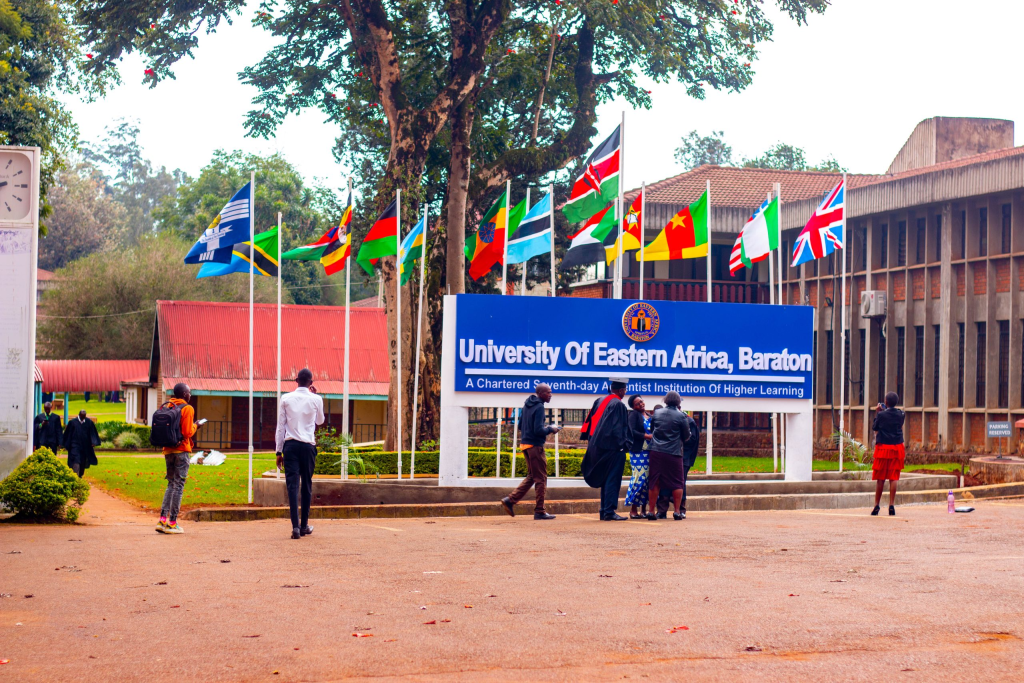
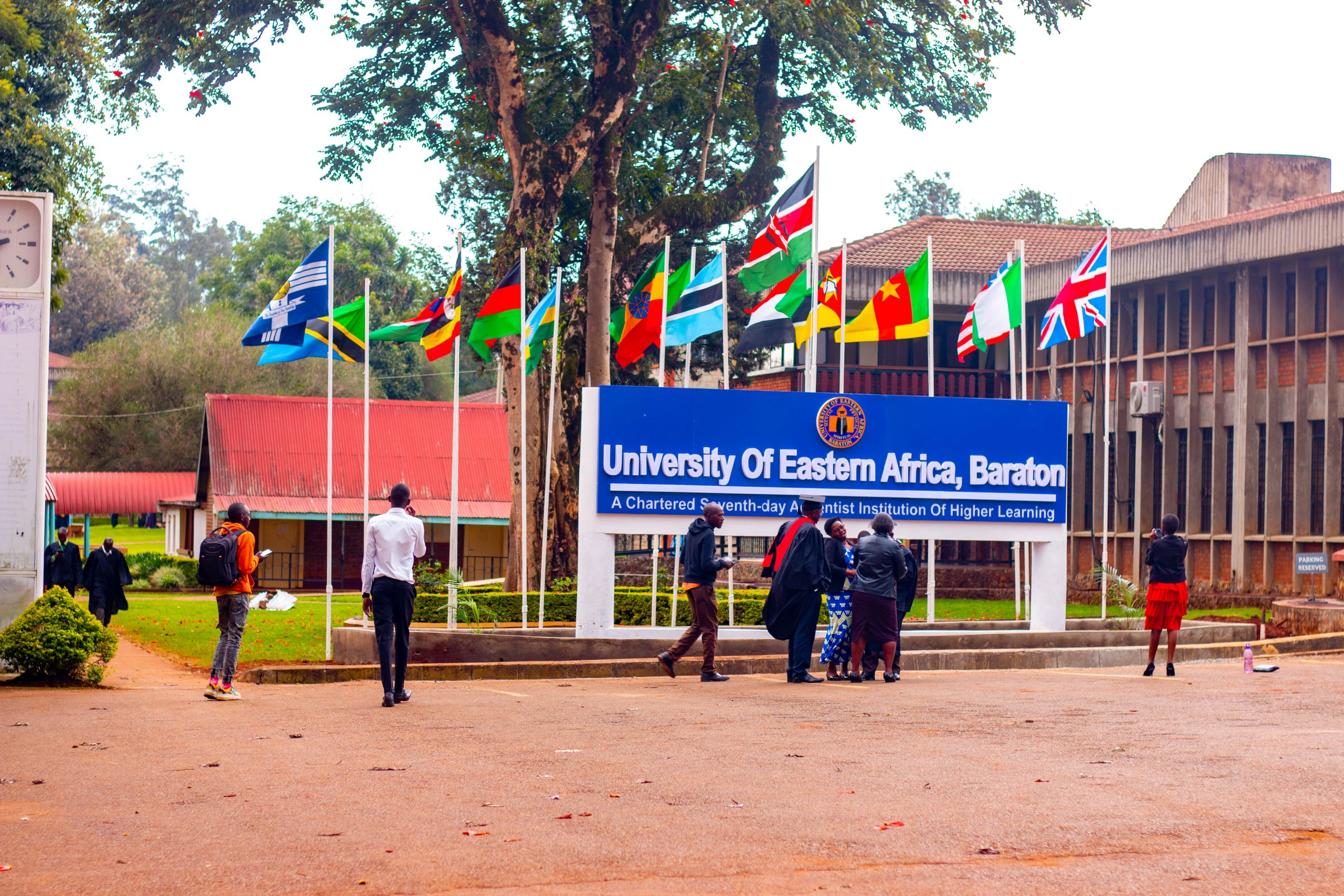
- University of Eastern Africa Baraton – 1991
- Catholic University of Eastern Africa – 1992
- Daystar University – 1994
- Scott Christian University – 1997
- United States International University – 1999
- Africa Nazarene University – 2002
- Kenya Methodist University – 2006
- St. Paul’s University – 2007
- Pan Africa Christian University – 2008
- Strathmore University – 2008
- Kabarak University – 2008
- Mount Kenya University – 2011
- Africa International University – 2011
- Kenya Highlands Evangelical University – 2011
- Great Lakes University of Kisumu – 2012
- KCA University – 2013
- Adventist University of Africa – 2013
- KAG EAST University – 2016
- Umma University – 2019
- Presbyterian University of East Africa – 2020
- The Aga Khan University – 2021
- Kiriri Women’s University of Science and Technology – 2022
- The East African University – 2022
- Zetech University – 2022
- Lukenya University – 2022
- Management University of Africa – 2024
- Tangaza University – 2024
- Islamic University of Kenya – 2024
- Riara University – 2025
- Uzima University – 2025
Constituent Colleges Under Private Universities
Some accredited private universities also have constituent colleges that adhere to the same CUE guidelines on quality and governance. These colleges act as extensions of the parent universities and offer degree programs under approved frameworks.
- Hekima University College – 1993
- Marist International University College – 2002
These colleges are particularly well-regarded for their strong emphasis on theology, philosophy, and education training.
Universities with Interim Authority
Several private institutions currently operate with Letters of Interim Authority from the Commission for University Education. While these universities are still in the process of meeting full accreditation standards, they are allowed to admit students and offer degree programs while undergoing continuous assessments by the CUE.
- GRETSA University – 2006
- Pioneer International University – 2012
- International Leadership University – 2014
- AMREF International University – 2017
These universities continue to improve their infrastructure, curriculum, and other key aspects to fulfill the CUE’s accreditation requirements.
Role of the Commission for University Education
The Commission for University Education (CUE) is the main body responsible for regulating the quality of higher education in Kenya. CUE’s mandate includes ensuring that universities operate within the standards set by the government, safeguarding the interests of students, and protecting the integrity of the country’s higher education system.
CUE can be contacted for verification of any institution, protecting students from unaccredited and unreliable educational providers. For any verification inquiries, you can reach the commission at 0207205000 or +254780656575.
Conclusion
The landscape of accredited private universities in Kenya continues to evolve, providing students with more options to pursue quality education. With the help of the Commission for University Education, which ensures that all accredited universities meet strict standards, students can be confident that their degrees will be recognized both locally and internationally. As the private university sector continues to grow, it is essential for learners to choose institutions that are accredited by the CUE to guarantee the value and credibility of their education.