


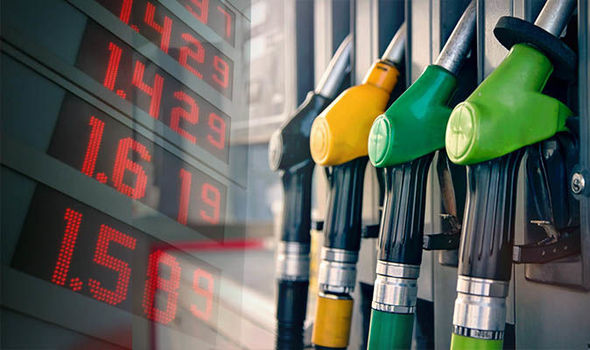
Turkmenistan fuel prices remain among the cheapest in the world as the country continues benefiting from vast natural gas reserves, state-controlled energy policies, and long-standing fuel subsidy systems. Gasoline and diesel prices directly influence transportation affordability, industrial competitiveness, logistics operations, agriculture, and household spending across the Turkmen economy.
As one of Central Asia’s largest natural gas producers, Turkmenistan possesses enormous hydrocarbon resources that support relatively low domestic fuel prices compared with many international markets. Natural gas exports remain the backbone of the national economy and play a critical role in government revenue, infrastructure development, and domestic energy policy.
Affordable transportation fuel has historically been an important part of Turkmenistan’s economic model. Although the country has gradually adjusted some subsidy programs over the years, domestic fuel prices remain significantly lower than global averages because of domestic hydrocarbon production and centralized state pricing structures.
Turkmenistan fuel prices therefore provide important insight into state-controlled energy policy, inflation trends, transportation affordability, and the broader direction of the Turkmen economy. Fuel are any materials that can react with other substances to release energy as thermal energy or to be used for work. The concept was originally applied solely to those materials capable of releasing chemical energy but has since also been applied to other sources of heat energy, such as nuclear energy (via nuclear fission and nuclear fusion).
Read Also: Sri Lanka Fuel Prices and Electricity Costs
Current Fuel Prices in Turkmenistan
The table below shows the latest available fuel prices in Turkmenistan.
| Fuel Type | Date | Price (TMT) | Price (USD) | Unit |
|---|---|---|---|---|
| Gasoline (Octane-95) | 18 May 2026 | 1.5 | 0.429 | Per liter |
| Diesel | 18 May 2026 | 1.0 | 0.286 | Per liter |
Turkmenistan currently maintains some of the world’s lowest retail transportation fuel prices.
Current Electricity and Natural Gas Situation in Turkmenistan
Although separate electricity and natural gas pricing data was not provided, natural gas remains central to Turkmenistan’s energy system.
Massive Natural Gas Reserves
Turkmenistan possesses some of the world’s largest natural gas reserves.
Domestic Energy Supply
Domestic energy production supports low-cost electricity generation and fuel supply.
Export-Oriented Economy
Natural gas exports remain critically important for government revenue and foreign trade.
Why Fuel Prices in Turkmenistan Are So Low
Several major factors help Turkmenistan maintain extremely affordable fuel prices.
Vast Hydrocarbon Resources
Large natural gas reserves provide abundant domestic energy supply.
State-Controlled Pricing
Authorities heavily regulate fuel pricing across the economy.
Historical Subsidy Policies
The country has historically maintained generous energy subsidy systems.
Limited Import Dependency
Domestic fuel production reduces exposure to international energy supply disruptions.
Gasoline Prices in Turkmenistan
Gasoline prices currently average 1.5 TMT per liter or approximately $0.429 USD per liter.
Among the Cheapest Globally
Turkmenistan consistently ranks among countries with very low gasoline prices.
Affordable Transportation
Cheap gasoline supports lower transportation costs for consumers and businesses.
Consumer Spending Benefits
Low fuel prices help moderate transportation-related living expenses.
Diesel Prices in Turkmenistan
Diesel currently costs approximately 1.0 TMT per liter.
Freight and Cargo Transportation
Diesel powers commercial transportation, logistics, and freight systems.
Agricultural Dependence
Agricultural machinery and irrigation systems rely heavily on diesel fuel.
Infrastructure and Industrial Use
Construction and industrial operations consume substantial diesel volumes.
Regional Transportation Networks
Diesel affordability supports domestic cargo and regional transportation activity.
Energy Policy and State Control
Energy policy remains heavily centralized within Turkmenistan’s economy.
Government Regulation
Fuel prices remain largely controlled by state institutions and policy decisions.
Strategic Export Management
Natural gas exports remain strategically important for economic stability.
Domestic Energy Priorities
Affordable domestic energy continues supporting transportation and industrial activity.
Infrastructure Development
Hydrocarbon revenue supports infrastructure and modernization projects.
How Turkmenistan Compares to Other Countries
Turkmenistan fuel prices remain among the lowest globally because of domestic energy abundance.
Read Also: Qatar Fuel Prices and Electricity Costs
Compared With Iran
Iran also maintains extremely low fuel prices through subsidies and hydrocarbon production.
Compared With Qatar
Qatar benefits from vast gas reserves and affordable domestic energy pricing.
Compared With Kazakhstan
Kazakhstan maintains relatively low fuel prices because of oil production but generally higher than Turkmenistan.
Compared With Global Averages
Turkmenistan’s gasoline and diesel prices remain far below most international averages.
Economic Impact of Fuel Prices in Turkmenistan
Energy prices strongly influence Turkmenistan’s broader economy.
Household Affordability
Low transportation fuel costs support household purchasing power.
Industrial Competitiveness
Affordable diesel benefits logistics, agriculture, and industrial production.
Inflation Management
Cheap fuel helps reduce transportation inflation and logistics costs.
Economic Stability
Hydrocarbon revenues remain central to national economic performance.
Government Policies Affecting Fuel Prices
Government policy remains central to Turkmenistan’s energy market.
Fuel Subsidy Systems
Authorities continue maintaining state-supported pricing structures.
Export Revenue Dependence
Natural gas exports remain critical for fiscal stability.
Energy Infrastructure Investment
Pipeline development and gas infrastructure remain national priorities.
Economic Diversification Challenges
Reducing dependence on hydrocarbon exports remains a long-term economic issue.
Future Fuel Price Forecast for Turkmenistan
The outlook for Turkmenistan fuel prices depends heavily on global energy markets and domestic policy.
Natural Gas Export Trends
Export revenues will continue influencing domestic subsidy capacity.
Global Energy Demand
International gas demand may affect long-term fiscal conditions.
Infrastructure Expansion
Pipeline and export infrastructure projects remain strategically important.
State Energy Policies
Domestic fuel prices will likely remain heavily regulated.
Frequently Asked Questions About Fuel Prices in Turkmenistan
Why are fuel prices so low in Turkmenistan?
Turkmenistan benefits from massive natural gas reserves and state-controlled subsidy systems.
What is the current gasoline price in Turkmenistan?
Gasoline prices currently average 1.5 TMT per liter or approximately $0.429 USD per liter.
Why is diesel cheaper than gasoline in Turkmenistan?
Diesel pricing reflects domestic energy policy and industrial transportation priorities.
Does Turkmenistan produce oil and natural gas?
Yes. Turkmenistan is one of Central Asia’s largest natural gas producers.
Why are fuel prices important in Turkmenistan?
Fuel prices affect transportation, agriculture, logistics, industrial activity, and inflation.
Are fuel prices expected to rise in Turkmenistan?
Future prices will depend on export revenues, energy policy, and global gas markets.
Read Also: Nepal Fuel Prices and Electricity Costs
Conclusion
Turkmenistan fuel prices remain closely connected to massive natural gas reserves, state-controlled pricing systems, and hydrocarbon export revenues. Gasoline and diesel costs continue influencing transportation affordability, industrial competitiveness, logistics operations, and household spending across the economy.
Although Turkmenistan maintains some of the world’s cheapest transportation fuel prices, the economy remains heavily dependent on natural gas exports and centralized energy policy. Long-term economic diversification and infrastructure modernization continue representing important strategic priorities.
Looking ahead, Turkmenistan’s energy future will depend on global natural gas demand, export infrastructure expansion, domestic subsidy policy, and broader regional economic developments. Monitoring Turkmenistan fuel prices therefore remains essential for understanding both domestic economic conditions and the evolving Central Asian energy landscape.


