


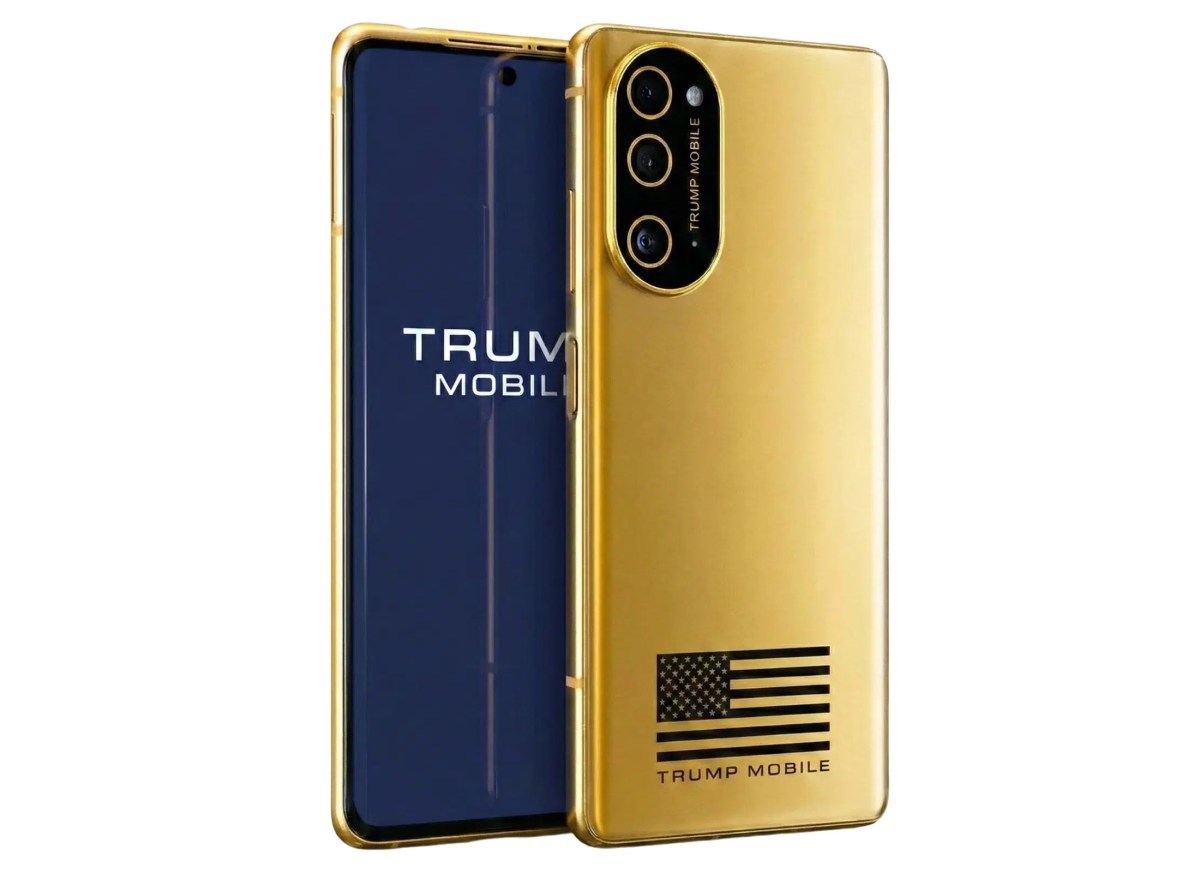
Trump Mobile has confirmed that customer information was exposed online, adding another major controversy to the company’s already troubled smartphone launch and telecommunications rollout. According to reports, exposed customer information included names, phone numbers, home addresses, and email addresses that were accessible through the company’s website.
Trump Mobile is an American mobile virtual network operator (MVNO) owned by T1 Mobile that uses a licensed brand from The Trump Organization.[a][3][2][4] It was founded on June 16, 2025, by Donald Trump Jr. and Eric Trump.
| Website | trumpmobile.com |
|---|
The confirmation came after reports from media outlet TechCrunch highlighted the exposure of sensitive customer data connected to Trump Mobile operations. The company says it is currently investigating the incident and claims there is no evidence so far that the exposed data has been used maliciously. But now there’s another problem. Trump Mobile has confirmed to TechCrunch that it has exposed customer information, including names, phone numbers, home addresses, and email addresses on its website.
Read Also: Trump Mobile Launches in the US with Gold Trump T1 Phone and ‘47 Plan’
The incident raises fresh concerns about data security, customer privacy, and operational preparedness surrounding Trump Mobile, which has already faced criticism and delays tied to its first smartphone launch. The company’s smartphone project has attracted attention because the device is reportedly based on a rebranded version of the HTC U24 Pro, a phone originally released in 2024.
The latest development also highlights the increasing cybersecurity and privacy risks facing modern telecommunications companies and digital service providers, especially those handling sensitive customer information online. Even when companies claim there was no direct cyberattack or system intrusion, accidental exposure of personal information can still create serious privacy, legal, and reputational consequences.
As investigations continue, questions remain regarding how long the customer data was publicly accessible, how many users may have been affected, and whether regulatory notification requirements will apply.
What Happened With Trump Mobile?
Trump Mobile confirmed that customer data was exposed online.
Information That Was Exposed
According to the company, exposed information included:
- Customer names
- Phone numbers
- Home addresses
- Email addresses
Sensitive Personal Information
The exposed details could potentially be valuable for:
- Phishing attacks
- Identity fraud
- Spam campaigns
- Social engineering attempts
Discovery of the Exposure
The issue was first reported publicly by TechCrunch.
Public Website Accessibility
Reports indicate the information was accessible directly through the website without requiring a network breach.
Trump Mobile’s Response
The company says it has started an internal investigation.
Ongoing Investigation
Trump Mobile claims it is:
- Reviewing the exposure
- Investigating the source
- Monitoring for evidence of misuse
No Evidence of Malicious Activity Yet
The company says it has not yet identified evidence that exposed data has been abused.
Investigation Still Ongoing
However, investigations into exposed customer information can often take time.
Third-Party Platform Provider Linked to the Incident
Trump Mobile says the exposure involved an external platform provider.
Third-Party Operations Support
According to company spokesperson Chris Walker, the exposure was connected to:
- A third-party platform provider
- Systems supporting certain Trump Mobile operations
Read Also: Trump T1 Phone Shipping Begins After Long Delays
Provider Not Named Publicly
The company has not disclosed the identity of the external provider involved.
Third-Party Risks in Modern Technology Services
Many digital businesses rely heavily on external vendors and cloud platforms.
Trump Mobile Says There Was No “Breach”
The company emphasized that its internal infrastructure was not hacked.
No Network Intrusion Claimed
Trump Mobile stated there was:
- No breach of company systems
- No direct network intrusion
- No attack on infrastructure
Exposure vs. Breach
However, cybersecurity experts often distinguish between:
- A malicious breach
- Public exposure caused by misconfiguration or poor security practices
Publicly Accessible Data Still Creates Risk
Even without hacking, exposed personal information can still lead to serious privacy concerns.
Customer Notification Questions
The company is still evaluating whether affected users need formal notification.
Regulatory Considerations
Many jurisdictions require companies to notify users after personal data exposure incidents.
Potential Legal Obligations
Notification requirements often depend on:
- Number of affected users
- Nature of exposed data
- Local privacy laws
Why Customer Data Exposure Is Serious
Exposed personal data can create multiple cybersecurity risks.
Identity Theft Risks
Attackers can potentially use exposed information for:
- Fraud attempts
- Fake account creation
- Identity theft schemes
Phishing and Social Engineering
Phone numbers and emails can support targeted phishing campaigns.
Reputation Damage
Data incidents can significantly damage customer trust.
Regulatory and Legal Risks
Companies may face:
- Regulatory investigations
- Legal claims
- Financial penalties
Trump Mobile’s Troubled Launch History
The data exposure adds to previous issues surrounding the company.
Delayed Smartphone Launch
Trump Mobile’s first smartphone launch reportedly faced multiple delays.
Originally Expected Earlier
The device was initially expected to begin shipping much earlier.
Rebranded Smartphone Allegations
Reports claim the Trump Mobile smartphone may be based on a rebranded HTC U24 Pro.
Rebranding Practices in Smartphones
Rebranding existing devices is relatively common in the mobile industry, especially among smaller or emerging brands.
Why Telecom and Mobile Companies Face High Cybersecurity Risks
Telecommunications companies manage large amounts of sensitive data.
Valuable Customer Information
Mobile providers store:
- Personal identification data
- Phone numbers
- Billing information
- Device details
Constant Cybersecurity Threats
Telecom companies are frequent targets for:
- Data theft
- SIM swap fraud
- Account takeovers
- Phishing operations
Third-Party Vendor Dependence
Modern digital businesses increasingly rely on external service providers.
Supply Chain Security Risks
Third-party platforms can introduce vulnerabilities.
Shared Infrastructure Complexity
Many online services use interconnected cloud systems and vendor tools.
Misconfiguration Risks
Data exposure incidents are often caused by:
- Incorrect database settings
- Publicly accessible cloud storage
- Weak access controls
rather than direct hacking.
Growing Importance of Data Privacy Compliance
Governments globally are strengthening data privacy regulations.
Consumer Privacy Expectations
Users increasingly expect stronger protection of personal information.
Stricter Compliance Rules
Companies face growing obligations regarding:
- Data handling
- Security controls
- Breach notifications
Cybersecurity Reputation Matters
Data security now significantly affects public trust and brand perception.
Public and Industry Reactions
The incident has generated criticism online and within technology circles.
read Also: Beelink SER9 Max Mini PC: Quiet, Powerful, and Compact for 1080p Gaming & 4K Video
Questions About Security Preparedness
Critics have questioned whether Trump Mobile was fully prepared for handling customer data securely.
Timing Concerns
The exposure comes during a sensitive launch period for the company.
Increased Media Scrutiny
Technology and cybersecurity media are closely following developments.
Broader Smartphone Industry Challenges
Launching a new smartphone brand is increasingly difficult.
Competitive Mobile Market
New entrants compete against established companies such as:
- Samsung
- Apple
- Xiaomi
- Motorola
Security Expectations
Consumers expect modern mobile companies to maintain strong cybersecurity practices.
Importance of Customer Trust
Trust remains critical in telecommunications and mobile services.
What Customers Should Do After Data Exposure Reports
Users impacted by data exposures should remain cautious.
Monitor Emails and Messages
Users should watch for:
- Suspicious emails
- Unexpected phone calls
- Phishing attempts
Avoid Suspicious Links
Customers should avoid opening unfamiliar links or attachments.
Enable Strong Account Security
Recommended practices include:
- Strong passwords
- Multi-factor authentication
- Account monitoring
Watch for Fraud Attempts
Exposed personal information may sometimes be used in impersonation scams.
Frequently Asked Questions
What customer data was exposed by Trump Mobile?
The company confirmed exposure of:
- Names
- Phone numbers
- Home addresses
- Email addresses
Was Trump Mobile hacked?
The company says there was no direct network breach but confirms customer data was publicly exposed online.
Who was responsible for the exposure?
Trump Mobile says the issue was linked to a third-party platform provider supporting some operations.
Has customer data been misused?
The company says it has not yet found evidence of malicious use.
Will customers be notified?
Trump Mobile says it is still evaluating whether formal customer notifications are necessary.
Conclusion
Trump Mobile’s confirmation that customer information was exposed online represents a significant setback for the company as it attempts to establish itself within the highly competitive telecommunications and smartphone market. While the company insists there was no direct breach of its internal infrastructure, the exposure of sensitive customer information still raises serious concerns regarding data security practices, third-party platform management, and operational readiness.
The incident also underscores the growing importance of cybersecurity and privacy protection in modern digital services, especially for companies handling personal customer data. As investigations continue, the situation may further highlight the broader challenges technology companies face in balancing rapid product launches, external vendor relationships, and increasingly strict consumer expectations surrounding online privacy and data protection.


