Traditional Foods and Recipes of Kimilili
Traditional foods of Kimilili offer a rich culinary experience rooted in heritage, community, and local produce. These dishes reflect the diverse cultures of the Luhya people and other communities in Bungoma County, passed down through generations and still enjoyed today at home, in markets, and during special occasions.
Why Traditional Foods Matter in Kimilili
- Cultural Identity:
Traditional meals represent the values, rituals, and celebrations of local communities. - Nutritional Value:
Many indigenous ingredients are rich in nutrients and medicinal benefits. - Local Availability:
Most ingredients used are grown or raised locally, making the dishes sustainable and accessible. - Community Bonding:
Food preparation is often communal, especially during festivals, weddings, and ceremonies.
Popular Traditional Foods of Kimilili
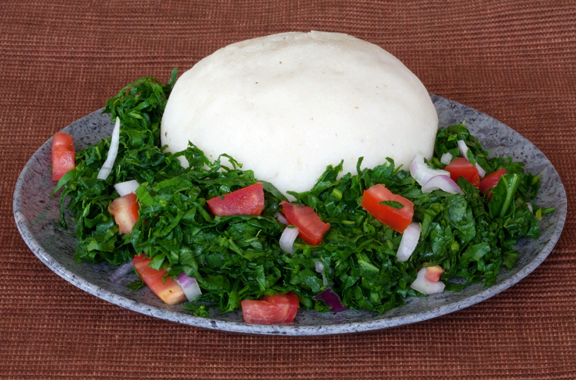
1. Obusuma (Ugali)
- Made from maize flour or millet flour
- A staple in nearly every household
- Served with vegetables, meat, or fermented milk (Mursik)
2. Ingoho (Luhya Chicken Stew)
- Traditionally prepared using free-range chicken
- Cooked with onions, tomatoes, garlic, and local spices
- Often served to guests as a sign of honor and respect
3. Mrenda (Jute Mallow) and Dek (Cowpea Leaves)
- Slimy leafy vegetables rich in iron and vitamins
- Often boiled and mixed with bicarbonate of soda and groundnut paste
- Served alongside ugali
4. Kamale (Termites)
- Seasonal delicacy harvested after rain
- Roasted or fried with salt
- High in protein and enjoyed as a snack or with porridge
5. Mbushe (Fermented Finger Millet Porridge)
- Thick, sour, and highly nutritious
- Prepared over several days by fermenting millet flour
- Commonly served to nursing mothers and during ceremonies
6. Imondo (Cassava and Beans Mix)
- Boiled cassava mixed with red or yellow beans
- A filling, energy-rich meal common in rural homes
7. Bemba (Sweet Potatoes) and Nduma (Arrowroots)
- Served for breakfast or as a side dish
- Can be boiled, roasted, or fried for variety
8. Omena (Silver Fish Stew)
- Small dried fish from Lake Victoria
- Cooked with tomatoes, onions, and sometimes groundnut paste
- Often enjoyed with ugali
Traditional Cooking Methods Used in Kimilili
| Method | Description |
|---|---|
| Open Fire Cooking | Common for stews and boiling vegetables in clay pots |
| Roasting | Used for termites, maize, sweet potatoes |
| Fermentation | For porridge and vegetables like isogo and mursik |
| Steaming in Banana Leaves | Common during festivals, especially for cassava and fish |
| Grinding Stones | Traditionally used to grind millet, sorghum, and groundnuts |
Special Occasions Featuring Traditional Foods
- Weddings: Ingoho (chicken), ugali, and vegetable stews
- Funerals and Ceremonies: Cassava, millet porridge, and traditional vegetables
- Harvest Festivals: Roasted maize, groundnut stew, and fermented drinks
- Welcoming Guests: Chicken stew and ugali as a sign of respect and warmth
Preserving Culinary Heritage
- Encouraging young people to learn ancestral recipes
- Including traditional dishes in local restaurant menus
- Promoting indigenous foods at cultural festivals and food exhibitions
- Sharing food stories and recipes within families and community groups
Final Thoughts
The traditional foods of Kimilili are more than meals—they are a living expression of identity, memory, and togetherness. From the rich taste of ingoho to the simplicity of boiled cassava, these recipes continue to nourish both body and soul. Embracing these dishes helps preserve a vibrant cultural legacy while supporting local agriculture and nutrition.