TiVo acquisitions tell the story of a company operating at the center of one of the biggest shifts in media history: the move from scheduled television to searchable, on-demand, personalized entertainment.
From 2002 to 2016, TiVo Corporation and its predecessor-related acquisition history included 16 acquisitions with a total disclosed deal value of about $4.4 billion and an average disclosed deal size of roughly $276.7 million. The company’s M&A activity focused mainly on software, video, digital media, hardware, search, advertising, developer tools, and digital rights management.
The most important deal in this history is the 2016 acquisition of TiVo by Rovi. Rovi agreed to acquire TiVo for about $1.1 billion in cash and stock, then adopted the TiVo brand after the transaction closed. The deal combined two entertainment technology companies with complementary strengths in discovery, digital entertainment products, metadata, licensing, and intellectual property.
That ownership context matters. Many of the acquisitions listed under TiVo Corporation were part of Rovi’s earlier strategy before the company took the TiVo name. The combined company later merged with Xperi in 2020, creating a larger digital entertainment technology and IP licensing platform.
What Is TiVo Corporation?
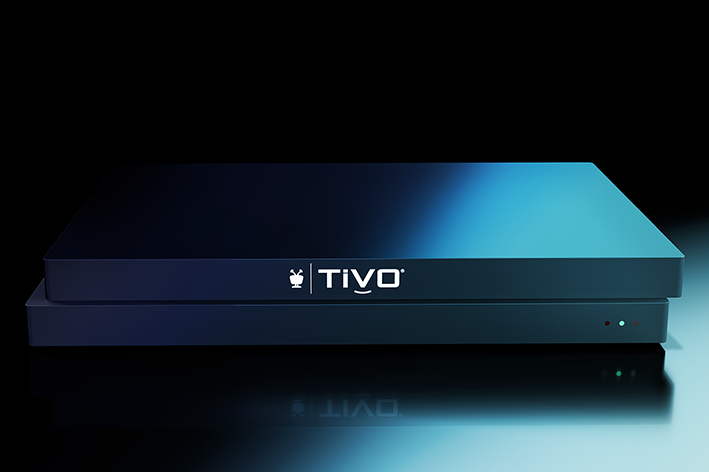
TiVo became famous for digital video recording. Its DVR technology allowed users to record television programs, pause live TV, and watch shows on their own schedule. For many consumers, TiVo helped make television feel more flexible before streaming became dominant.
TiVo Corporation, after Rovi acquired TiVo and adopted its name, operated as a digital entertainment technology company focused on content discovery, entertainment metadata, search, recommendation technology, digital media software, advertising technology, hardware-related entertainment systems, and intellectual property licensing.
This is why TiVo acquisitions cover more than DVR hardware. The company’s acquisition record includes entertainment discovery engines, recommendation platforms, predictive analytics, advertising measurement, software installation tools, copy protection, connected device software, and digital rights management.
At its core, TiVo’s acquisition strategy followed a simple question: how do viewers find, manage, monetize, protect, and experience entertainment content as television becomes more digital?
Why TiVo Acquisitions Matter
TiVo acquisitions matter because they show how the television technology business evolved.
In the early 2000s, the key battleground was control over digital media, software installation, copy protection, electronic program guides, and connected devices. Later, the battle shifted toward search, discovery, recommendations, analytics, advertising attribution, and cross-device viewing.
TiVo and Rovi tried to build around that shift.
Gemstar-TV Guide added a major entertainment guide and advertising platform. Veveo and Digitalsmiths strengthened search, recommendations, and discovery. Fan TV and SideReel supported online entertainment discovery. TRA added advertising measurement linked to consumer behavior. Snapstick added multi-device content collaboration. BD+ DRM technology strengthened content protection.
The strategy reflected the changing business of television. As content exploded across cable, streaming, web video, apps, and devices, viewers needed better discovery. Advertisers needed better measurement. Content owners needed protection and licensing. Device makers needed software and metadata.
TiVo acquisitions aimed to address those needs.
Full List of TiVo Corporation Acquisitions
| Acquiree | Announced Date | Price | Main Category | Strategic Value |
|---|---|---|---|---|
| TiVo | Apr 29, 2016 | $1.1B | Hardware, Software, Video | Combined Rovi and TiVo, adding DVR technology, entertainment products, metadata, and IP licensing strength. |
| Fan TV | Nov 3, 2014 | $12.0M | Entertainment Discovery | Adds tools for finding, watching, and sharing movies and TV shows across mobile, web, and TV. |
| Veveo | Feb 24, 2014 | $69.0M | Search and Conversational Interfaces | Adds intelligent conversational search for mobile and video devices. |
| Digitalsmiths | Jan 29, 2014 | $135.0M | Video Discovery and Recommendations | Adds personalized search, recommendations, and video discovery technology. |
| IntegralReach | Jun 3, 2013 | $10.0M | Predictive Analytics | Adds analytics using data from set-top boxes, smart TVs, tablets, and streaming systems. |
| TRA | Jul 17, 2012 | $20.0M | Advertising Analytics | Adds platform matching ad exposure with actual consumer purchases. |
| Snapstick | May 21, 2012 | $20.0M | Multi-Device Digital Media | Adds interactive content streaming and device collaboration technology. |
| Digiforge | May 5, 2011 | $14.7M | Support Services | Adds support service capabilities. |
| SideReel | Feb 28, 2011 | $35.5M | Online Video Discovery | Adds tools for users to find, track, and watch shows, movies, and web TV series online. |
| Muze | Apr 15, 2009 | $16.5M | Entertainment Metadata and Discovery | Adds search, discovery, sharing, and purchasing solutions for entertainment products. |
| Gemstar-TV Guide | Dec 7, 2007 | $2.8B | Digital Media and Advertising | Adds electronic program guide, entertainment advertising, metadata, and discovery assets. |
| BD+ DRM Technology | Nov 20, 2007 | $45.0M | Digital Rights Management | Adds Blu-ray digital rights management technology. |
| Mediabolic | Jan 3, 2007 | $43.5M | Connected Device Software | Adds software for connected consumer electronics, TVs, and set-top boxes. |
| InstallShield Software | Jun 16, 2004 | $76.0M | Developer Tools | Adds Windows software installation and development tools. |
| Midbar Tech | Nov 6, 2002 | $25.0M | Content Protection Technology | Adds flexible digital media protection technologies. |
| TTR Technologies | Nov 6, 2002 | $5.3M | Music Copy Protection | Adds music copy protection technology. |
TiVo Acquisitions Timeline
2002: Copy Protection and Digital Rights Management Foundations
The acquisition history begins in 2002 with Midbar Tech and TTR Technologies. Both deals focused on protection technology.
TTR Technologies developed music copy protection technology. Midbar Tech designed and developed digital protection solutions.
These deals reflected a major industry concern in the early digital media era: how to protect content as music, video, and software moved from physical formats into digital distribution. Before streaming became the dominant model, media companies worried deeply about copying, piracy, and digital control.
2004: InstallShield and Software Deployment
In 2004, TiVo Corporation’s predecessor-related acquisition history includes InstallShield Software for $76.0 million. InstallShield provided professional Windows software installation and development tools.
This acquisition was not directly about television viewing. It reflected a broader software infrastructure strategy. Software installation and deployment tools were important at a time when desktop software, enterprise tools, and packaged applications still dominated many parts of the technology market.
2007: Connected Devices, Blu-ray DRM, and Gemstar-TV Guide
The year 2007 was a major turning point.
Mediabolic added software for connected consumer electronics devices, televisions, and set-top boxes. That deal supported the idea that entertainment would move across devices, not remain locked inside a traditional television box.
BD+ DRM technology added a component of Blu-ray Disc digital rights management. This strengthened content protection capabilities at a time when Blu-ray was still a major high-definition media format.
Gemstar-TV Guide was the largest acquisition in this history, valued at about $2.8 billion. The company provided a digital entertainment advertising platform and was associated with electronic program guides and entertainment discovery.
The Gemstar-TV Guide deal was strategically important because program guides, metadata, and discovery tools are central to television navigation. Viewers need to know what is on, where to find it, and how to access it. Advertisers and distributors also need data and placement opportunities.
2009: Muze and Entertainment Metadata
In 2009, Muze was acquired for $16.5 million. Muze provided solutions that enabled search, discovery, sharing, and purchasing of entertainment products.
This acquisition fit the broader discovery strategy. As content libraries expanded, metadata became more valuable. Metadata helps describe shows, movies, artists, genres, actors, episodes, ratings, descriptions, and related content. Without strong metadata, search and recommendations become weaker.
2011: Online Video Tracking and Support Services
In 2011, SideReel and Digiforge were acquired.
SideReel helped users find, track, and watch shows, movies, and web TV series online. This deal reflected the rise of internet video and fragmented viewing. Audiences were no longer simply checking a cable guide; they were looking for content across many online sources.
Digiforge added support service capabilities.
2012: Multi-Device Viewing and Advertising Measurement
In 2012, Snapstick and TRA were acquired.
Snapstick offered a device collaboration platform that allowed users to stream interactive content across multiple devices. That reflected a growing trend: viewers were using phones, tablets, laptops, TVs, and set-top boxes together.
TRA added advertising analytics by matching ad exposure with actual product purchases. This was important because advertisers wanted proof that TV advertising worked. Connecting exposure to purchase behavior helped strengthen accountability in media buying.
2013: Predictive Analytics for Connected Viewing
IntegralReach was acquired in 2013 for $10.0 million. The company developed a predictive analytics platform using data from set-top boxes, smart TVs, tablets, stream servers, and other connected systems.
This acquisition reflected a shift toward data-driven entertainment. As viewing became digital, companies could analyze behavior, predict preferences, and improve recommendations.
2014: Search, Recommendations, and Entertainment Discovery
The year 2014 was especially important for discovery technology.
Digitalsmiths was acquired for $135.0 million. It connected consumers to relevant video content through personalized search, recommendations, and discovery.
Veveo was acquired for $69.0 million. It developed intelligent conversational interfaces for mobile and video devices.
Fan TV was acquired for $12.0 million. It helped people find, watch, and share movies and TV shows across iOS, the web, and TV.
Together, these acquisitions show a clear strategy: make it easier for people to find entertainment across an increasingly fragmented media landscape.
2016: Rovi Acquires TiVo and Adopts the TiVo Name
In April 2016, Rovi agreed to acquire TiVo for $10.70 per share in cash and stock, with total consideration of about $1.1 billion. The companies said the combined business would bring together complementary products, services, and intellectual property assets.
After the deal closed, Rovi changed its name to TiVo. The transaction combined Rovi’s entertainment discovery, metadata, and licensing assets with TiVo’s DVR brand, products, and technology.
This was the defining transaction in TiVo Corporation’s acquisition story. It turned TiVo from a standalone DVR pioneer into the name of a broader entertainment technology and licensing company.
Biggest TiVo Acquisitions by Deal Value
| Rank | Acquiree | Announced Date | Deal Value | Strategic Area |
| 1 | Gemstar-TV Guide | Dec 7, 2007 | $2.8B | Program guides, metadata, advertising, and entertainment discovery |
| 2 | TiVo | Apr 29, 2016 | $1.1B | DVR technology, entertainment products, and IP licensing |
| 3 | Digitalsmiths | Jan 29, 2014 | $135.0M | Personalized video search and recommendations |
| 4 | InstallShield Software | Jun 16, 2004 | $76.0M | Software installation and developer tools |
| 5 | Veveo | Feb 24, 2014 | $69.0M | Conversational video search |
| 6 | BD+ DRM Technology | Nov 20, 2007 | $45.0M | Blu-ray digital rights management |
| 7 | Mediabolic | Jan 3, 2007 | $43.5M | Connected TV and device software |
| 8 | SideReel | Feb 28, 2011 | $35.5M | Online video tracking and discovery |
| 9 | Midbar Tech | Nov 6, 2002 | $25.0M | Digital media protection |
| 10 | TRA | Jul 17, 2012 | $20.0M | Advertising attribution and analytics |
The two largest transactions, Gemstar-TV Guide and TiVo, explain the company’s strategic direction. Gemstar-TV Guide strengthened metadata, guides, and advertising. TiVo added a consumer brand, DVR technology, and intellectual property assets.
Most Common Acquisition Categories
| Category | Number of Deals | Strategic Meaning |
| Software | 4 | Supports discovery, connected devices, installation tools, analytics, and platform technology. |
| Video | 3 | Strengthens video search, viewing, tracking, and digital entertainment experiences. |
| Digital Media | 3 | Expands entertainment metadata, online viewing, and media discovery. |
| Hardware | 2 | Reflects DVR, connected device, and content protection technology. |
| Search Engine | 2 | Supports video search, entertainment navigation, and recommendation tools. |
This category mix shows that TiVo acquisitions were concentrated around digital entertainment infrastructure. The company was not simply buying media content. It was buying the technology layer that helps users find, control, measure, and protect entertainment.
Strategic Lessons From TiVo Acquisitions
Discovery Became the New Program Guide
Traditional television guides were once enough. But as content spread across cable, streaming, web video, and apps, discovery became more complex. Digitalsmiths, Veveo, Fan TV, Muze, and SideReel all supported the need for better discovery.
Metadata Is a Hidden Asset
Entertainment metadata may not be visible to viewers, but it powers search, recommendations, guides, ads, and licensing. Gemstar-TV Guide and Muze show how important metadata became.
DVR Hardware Was Not Enough
TiVo’s original DVR technology was influential, but hardware alone could not protect the company from streaming, smart TVs, and platform shifts. The acquisition history shows attempts to build beyond DVRs into software, discovery, data, and licensing.
Advertising Measurement Became More Important
TRA and IntegralReach show how the company moved toward analytics. Media companies and advertisers needed better data to understand what viewers watched and how advertising affected behavior.
Intellectual Property Became Central
The Rovi-TiVo combination brought together product technology and IP licensing. The later Xperi-TiVo merger further emphasized entertainment technology and intellectual property licensing.
How TiVo Acquisitions Fit Its Business Model
TiVo’s business model evolved over time.
In its earlier public identity, TiVo was associated with DVR hardware and subscription services. But as the market changed, the business became more dependent on licensing, metadata, discovery, software, advertising technology, and entertainment navigation.
Acquisitions fit this model by adding tools that helped the company serve pay-TV operators, device makers, advertisers, content distributors, and media technology partners.
A cable operator might need search, recommendations, metadata, and guide technology. A device maker might need connected entertainment software. An advertiser might need attribution and analytics. A content owner might need digital rights management. A consumer might need a better way to find shows across platforms.
TiVo acquisitions were aimed at these layers of the entertainment technology stack.
Financial and Ownership Context
TiVo Corporation’s listed acquisition history from 2002 to 2016 includes 16 acquisitions, with total disclosed value of about $4.4 billion and an average disclosed deal size of approximately $276.7 million.
The largest deal was Gemstar-TV Guide at $2.8 billion. The second-largest was the 2016 acquisition of TiVo by Rovi for about $1.1 billion.
The ownership structure changed again in 2020. Xperi and TiVo completed their merger on June 1, 2020, forming a digital entertainment technology platform and a large intellectual property licensing business.
That means TiVo’s acquisition history should be viewed in three phases:
- Rovi’s pre-2016 acquisition strategy around metadata, discovery, software, and licensing
- The 2016 Rovi-TiVo combination and adoption of the TiVo name
- The 2020 Xperi-TiVo merger and the broader entertainment technology platform that followed
Competitive Impact of TiVo Acquisitions
TiVo competed in a changing market shaped by cable operators, set-top box makers, streaming services, smart TVs, entertainment search platforms, metadata providers, advertising technology companies, and intellectual property licensors.
Its acquisitions helped the company compete in several ways.
Gemstar-TV Guide strengthened entertainment guide and metadata assets. Digitalsmiths, Veveo, Fan TV, Muze, and SideReel improved discovery. TRA and IntegralReach added advertising and predictive analytics. Mediabolic and Snapstick added connected device and multi-device capabilities. BD+ and earlier protection technologies strengthened DRM and content control.
However, the broader market moved quickly. Streaming platforms increasingly controlled their own interfaces, recommendation systems, and user data. Smart TV platforms and app stores became powerful gateways. Traditional DVR hardware lost relevance as cloud DVR, streaming libraries, and on-demand viewing grew.
TiVo’s acquisitions helped build a larger entertainment technology platform, but they did not fully protect the brand from the structural decline of standalone DVR hardware.
Advantages of the Acquisition Strategy
Stronger Entertainment Discovery
Acquisitions such as Digitalsmiths, Veveo, Fan TV, SideReel, and Muze improved search, recommendations, and discovery.
Greater Metadata Depth
Gemstar-TV Guide and Muze strengthened entertainment metadata, a valuable layer in digital media navigation.
Expanded Advertising Analytics
TRA and IntegralReach gave the company stronger data and advertising measurement capabilities.
Broader Connected Device Capabilities
Mediabolic and Snapstick helped address the shift toward connected TVs, set-top boxes, and multi-device viewing.
Larger IP and Licensing Platform
The Rovi-TiVo combination and later Xperi merger strengthened the company’s role in entertainment technology licensing.
Disadvantages of the Acquisition Strategy
DVR Market Decline
TiVo’s iconic DVR business faced pressure from streaming, on-demand libraries, cloud DVR, and cable-provided recording features.
Integration Complexity
The company bought businesses across software, metadata, advertising, DRM, hardware, and analytics. Integrating those capabilities was complex.
Platform Dependency
TiVo depended heavily on relationships with pay-TV operators, device makers, and media distributors.
Streaming Disruption
Streaming services increasingly controlled the discovery experience directly, reducing the role of third-party guides and DVR interfaces.
Brand Confusion
After Rovi acquired TiVo and adopted the TiVo name, the brand represented both consumer DVR heritage and a broader licensing and entertainment technology platform.
Case Studies of Major TiVo Acquisitions
Gemstar-TV Guide
Gemstar-TV Guide was the largest acquisition in the listed history at $2.8 billion. It added electronic program guide, advertising, metadata, and entertainment navigation capabilities.
The deal mattered because program guides and metadata were essential to digital TV. As content choices expanded, viewers needed better ways to navigate programming.
TiVo
The 2016 Rovi acquisition of TiVo was valued at about $1.1 billion. It combined Rovi’s discovery, metadata, and IP licensing assets with TiVo’s DVR brand and technology.
This transaction gave the combined company a more recognizable consumer brand and a larger entertainment technology portfolio.
Digitalsmiths
Digitalsmiths was acquired for $135.0 million in 2014. It specialized in personalized search, recommendations, and content discovery.
The acquisition fit the move toward recommendation-led entertainment navigation. As viewers faced more content choices, personalization became increasingly important.
Veveo
Veveo was acquired for $69.0 million in 2014. It developed intelligent conversational interfaces for mobile and video devices.
This deal strengthened voice-like and conversational search capabilities, a useful feature as consumers increasingly used mobile devices and connected TV interfaces.
TRA
TRA was acquired for $20.0 million in 2012. It matched advertising exposure with consumer purchase behavior.
The acquisition helped address a long-running media industry challenge: proving whether advertising drives measurable sales impact.
Common Mistakes When Analyzing TiVo Acquisitions
Confusing Rovi and TiVo
Rovi acquired TiVo in 2016 and then adopted the TiVo name. Many acquisitions listed under TiVo Corporation reflect Rovi’s earlier strategy.
Treating TiVo Only as a DVR Company
TiVo’s brand is tied to DVRs, but the acquisition history is broader. It includes metadata, discovery, advertising analytics, DRM, connected device software, and IP licensing.
Ignoring the Xperi Merger
TiVo merged with Xperi in 2020, creating a larger digital entertainment technology and IP licensing platform.
Overlooking Metadata
Entertainment metadata is not flashy, but it powers program guides, search, recommendations, and content discovery.
Assuming Discovery Stayed Independent
Streaming platforms increasingly built their own discovery systems, reducing opportunities for third-party discovery providers in some markets.
Lessons for Business Owners and Investors
TiVo’s acquisition history offers several useful lessons.
First, early innovation does not guarantee long-term control. TiVo helped popularize the DVR, but streaming changed the market.
Second, platform shifts can weaken hardware businesses. As viewing moved to apps, cloud DVR, and smart TVs, standalone DVR hardware became less central.
Third, metadata and discovery are valuable but highly competitive. Whoever controls the viewer interface often controls discovery.
Fourth, intellectual property can become a major business model when product markets mature or decline.
Finally, acquisitions must match market direction. TiVo and Rovi invested in discovery, analytics, and licensing, but the pace of streaming disruption made the entertainment technology market difficult.
Key Takeaways
- TiVo Corporation’s listed acquisition history includes 16 acquisitions from 2002 to 2016.
- Total disclosed deal value was about $4.4 billion.
- The average disclosed acquisition size was approximately $276.7 million.
- TiVo acquisitions focused mainly on software, video, digital media, hardware, and search.
- Gemstar-TV Guide was the largest listed acquisition at $2.8 billion.
- Rovi acquired TiVo in 2016 for about $1.1 billion and adopted the TiVo name.
- Digitalsmiths, Veveo, Fan TV, SideReel, and Muze strengthened entertainment discovery.
- TRA and IntegralReach added advertising and predictive analytics.
- Mediabolic and Snapstick supported connected-device and multi-device entertainment.
- TiVo later merged with Xperi in 2020.
- The main risks included streaming disruption, DVR market decline, platform dependency, brand confusion, and integration complexity.
- TiVo’s acquisition history reflects the transition from DVR hardware to entertainment software, metadata, and IP licensing.
Frequently Asked Questions
What are TiVo acquisitions?
TiVo acquisitions are companies and technologies acquired by TiVo Corporation or its predecessor-related business to expand in DVR technology, entertainment discovery, metadata, digital media, advertising analytics, software, and intellectual property licensing.
How many acquisitions did TiVo Corporation make?
TiVo Corporation’s listed acquisition history includes 16 acquisitions from 2002 to 2016.
What is the total value of TiVo acquisitions?
The total disclosed value of TiVo acquisitions is about $4.4 billion.
What is TiVo’s average acquisition size?
TiVo’s average disclosed acquisition size is approximately $276.7 million.
What was TiVo’s biggest listed acquisition?
Gemstar-TV Guide was the largest listed acquisition, valued at about $2.8 billion.
Did TiVo acquire Rovi or did Rovi acquire TiVo?
Rovi acquired TiVo in 2016 for about $1.1 billion, then adopted the TiVo name after the transaction closed.
Why was the TiVo acquisition important?
The 2016 transaction combined TiVo’s DVR brand and technology with Rovi’s entertainment discovery, metadata, and IP licensing assets.
What did Digitalsmiths add to TiVo?
Digitalsmiths added personalized video search, recommendations, and content discovery technology.
What happened to TiVo after 2016?
After Rovi acquired TiVo and adopted the TiVo name, TiVo later merged with Xperi in 2020 to form a larger digital entertainment technology and IP licensing company.
Which sectors dominate TiVo acquisitions?
The most common sectors are software, video, digital media, hardware, and search.
What are the risks of TiVo’s acquisition strategy?
The main risks included DVR market decline, streaming disruption, platform dependency, integration complexity, and brand confusion after ownership changes.
Conclusion
TiVo acquisitions show how a company associated with DVR innovation tried to adapt to a changing entertainment technology market. Across 16 listed acquisitions from 2002 to 2016, TiVo Corporation and its predecessor-related business expanded in digital rights management, software tools, electronic program guides, entertainment metadata, connected device software, online video discovery, predictive analytics, advertising measurement, personalized recommendations, conversational search, and DVR technology.
The largest transactions explain the company’s direction. Gemstar-TV Guide strengthened program guides, metadata, and advertising. Digitalsmiths, Veveo, Fan TV, SideReel, and Muze expanded discovery. TRA and IntegralReach added data and analytics. The 2016 Rovi acquisition of TiVo brought the DVR pioneer into a broader entertainment technology and licensing company.
The strategy had logic. As entertainment became digital, users needed search and recommendations, advertisers needed measurement, and device makers needed software and metadata. But the market moved quickly. Streaming platforms, smart TVs, cloud DVR, and app-based viewing reduced the importance of standalone DVR hardware and changed who controlled the viewer experience.
For business leaders and investors, TiVo acquisitions offer a useful case study in media technology disruption. A strong brand and valuable patents can matter, but long-term success depends on controlling the platform where customers actually spend their time.
Disclaimer: This article is for informational and educational purposes only. It is not investment advice, financial advice, or a recommendation to buy or sell any security. Always conduct your own research and consider speaking with a qualified financial adviser before making investment decisions.
Read Also: Thoma Bravo Acquisitions: How Thoma Bravo Built Its Business Through M&A