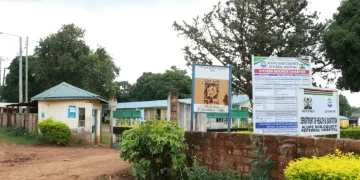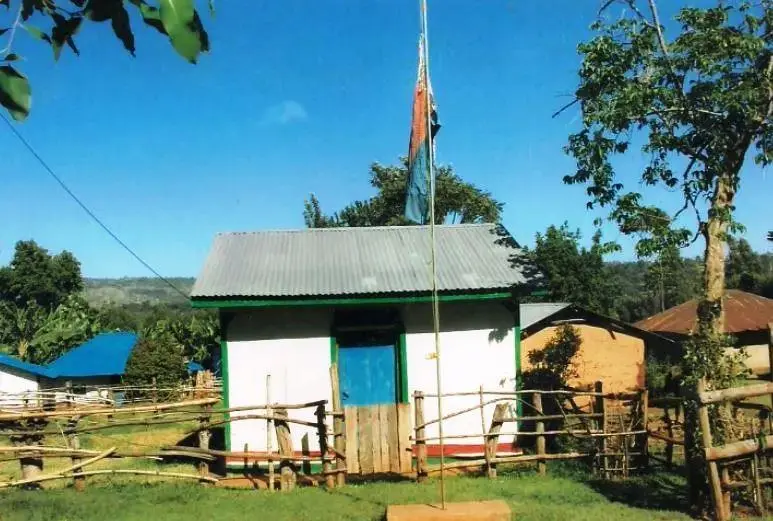
Tucked within Gamalenga Village in Vihiga County, the Chabuga Mausoleum stands as a symbolic cradle of one of Kenya’s most influential indigenous faith movements — the African Divine Church (ADC). Founded in 1948 as an expression of spiritual independence and cultural reclamation, the ADC arose in response to the colonial church structures that undermined African traditions and autonomy. The movement was deeply inspired by the Nomiya Luo Church, one of Africa’s earliest independent Christian congregations, and quickly gained a devoted following across Western Kenya.
The humble residence of Rev. Saul Chabuga Chamwama, fondly remembered as the Father of the African Divine Church, became both a place of worship and the birthplace of a movement. Leading the church from 1949 to 1970, Bishop Chabuga laid the foundation for a distinctly African faith — one that embraced Christian values while affirming African identity. His legacy was carried forward by his son, Bishop James Chabuga (1970–2005), and later by Bishop John Lilege Saiya, who served from 2005 and spearheaded the church’s modernization through strategic development plans.
At its core, the ADC draws inspiration from John 15:1–17, where Christ speaks of the true vine—a metaphor for spiritual growth and fruitfulness. This imagery became the essence of the church’s name and mission: to grow, bear fruit, and empower both spiritually and economically. Today, the Chabuga Mausoleum remains a revered heritage shrine, preserving not just the memory of its founders but also the story of African resilience, faith, and self-determination. The ADC headquarters, still based in Gamalenga, continues to guide millions of followers across Kenya and beyond, rooted in the vision that began within these sacred grounds.