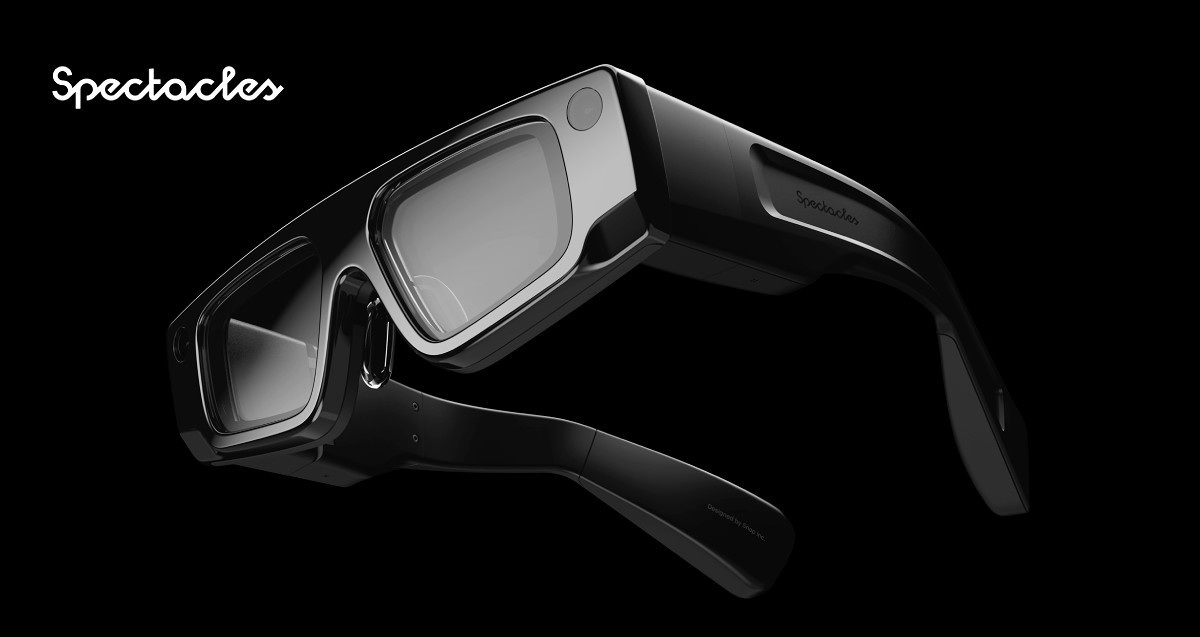
Snap Inc. has officially announced it will launch its first commercially available AR glasses—called Specs—in 2026. The announcement was made during the Augmented World Expo (AWE) 2025 in Long Beach, California, where Snap revealed the Specs as a breakthrough in personal augmented reality wearables.
This marks a major shift from Snap’s previous strategy, where the Spectacles 5, launched in September 2024, were restricted to developers via a $99/month program. The new Specs will be available to the general public and are expected to redefine the intersection between digital content and the real world.
A Revolution in Computing, According to Snap
Evan Spiegel, co-founder and CEO of Snap Inc., described Specs as “the most advanced personal computer in the world.” He emphasized Snap’s long-term vision of seamlessly merging digital and physical experiences through wearable technology.
“We believe the time is right for a revolution in computing that naturally integrates our digital experiences with the physical world,” Spiegel stated at AWE 2025.
The Specs will come equipped with see-through lenses designed to overlay digital experiences onto the real world, enabling users to interact with their surroundings in a deeply immersive way.
Over $3 Billion Invested in AR Glasses
Snap confirmed that it has invested over $3 billion in AR development over the past 11 years, underscoring its commitment to augmented reality as a core part of its future.
The new Specs will represent the culmination of years of hardware and software R&D, combining advances in spatial computing, AI, and user interaction to deliver a compelling consumer-grade product.
Snap OS and AI-Powered Ecosystem
Alongside the Specs announcement, Snap unveiled several major updates to Snap OS, its custom operating system for AR devices. New features include:
- Deep AI integrations with OpenAI and Gemini on Google Cloud
- Tools for location-based AR experiences, such as:
- Fleet Management App
- Guided Mode
- Guided Navigation
These enhancements are aimed at improving real-time interaction and developer support, making it easier to build smart, context-aware AR applications.
Partnerships and WebXR Support
Snap is also partnering with Niantic Spatial to bring its Visual Positioning System (VPS) to Lens Studio and Specs. This will help Snap create an AI-powered map of the world, enabling more precise AR experiences.
In addition, WebXR browser support is coming soon, allowing for AR interactions directly from a web browser, which opens up new possibilities for developers and users alike.
What This Means for the Future of Wearables
The launch of Specs represents Snap’s bold step toward competing in the growing consumer AR space, alongside companies like Meta and Apple. While Snap’s previous AR devices targeted developers and creators, the Specs will mark its official entrance into the mass market.
As the boundaries between physical and digital worlds continue to blur, Specs could redefine how people communicate, navigate, and create content.