


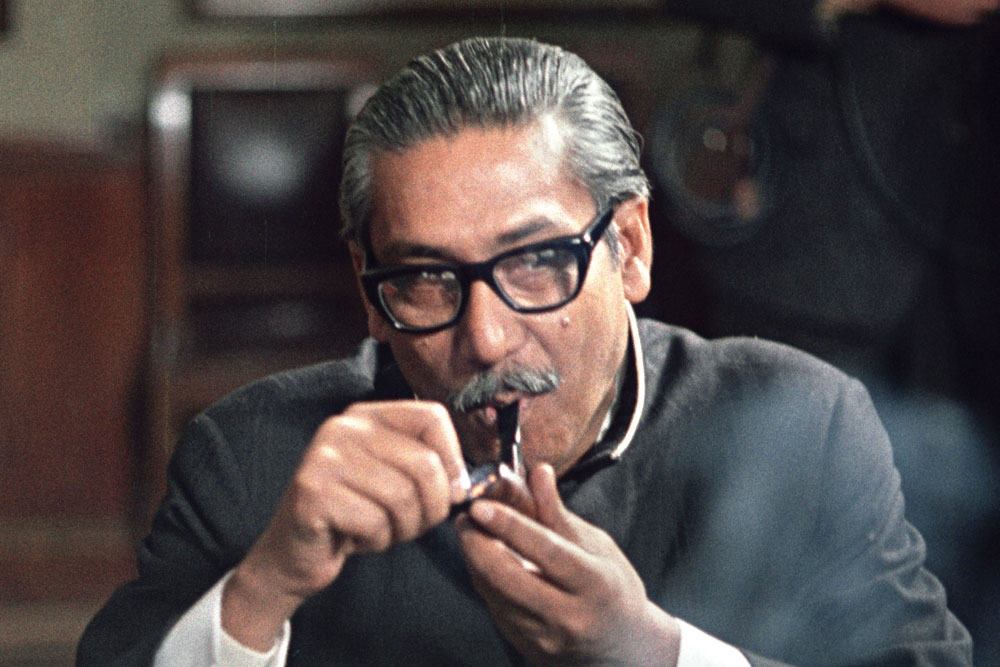
Sheikh Mujibur Rahman: The Architect of Bangladesh’s Independence ‘Father of the Nation’. From his early activism to his presidency, discover how he shaped the nation’s history and remains a revered figure.
Sheikh Mujibur Rahman: Bangladesh’s Founding Father
Introduction to Sheikh Mujibur Rahman
Sheikh Mujibur Rahman, popularly known as Bangabandhu or ‘Friend of Bengal,’ was a pivotal figure in Bangladesh’s struggle for independence. As a charismatic leader, he served as both President and Prime Minister before his tragic assassination in 1975. His profound influence on Bangladesh’s political landscape earned him the title ‘Father of the Nation,’ a designation enshrined in the national constitution since 2011.
Early Life and Political Awakening
Born on March 17, 1920, in Tungipara, Sheikh Mujib was raised in a politically active family. His early education was interrupted by eye surgery, which sparked his interest in politics. He emerged as a significant student activist in Calcutta, where he attended Islamia College and later became involved with the All India Muslim League.
Rise to Political Prominence
Sheikh Mujib’s political career was marked by his advocacy for Bengali rights and autonomy within Pakistan. He was instrumental in the Awami League’s transformation into a major political force advocating for the economic and political rights of East Bengalis against the dominant West Pakistani regime.
The Road to Bangladesh’s Independence
Mujib’s leadership was crucial during the critical moments leading up to Bangladesh’s independence. His impassioned speeches, including the iconic address on March 7, 1971, mobilized the masses for the liberation struggle. Despite being imprisoned during the war, his declaration of independence on March 26, 1971, marked the formal start of the Bangladesh Liberation War.
Governing the New Nation
After Bangladesh’s victory in December 1971, Sheikh Mujib returned to a war-torn country facing immense challenges. He focused on rebuilding the country, promoting secularism, and establishing Bangladesh on the international stage. However, his tenure was also marked by economic difficulties and political unrest, which led to his controversial decision to create a one-party state in 1975.
Assassination and Legacy
Sheikh Mujibur Rahman’s life was tragically cut short on August 15, 1975, when he was assassinated by military officers. His death plunged the country into political chaos and marked the end of his direct influence. However, his vision and sacrifices continue to resonate with Bangladeshis, and his legacy is celebrated annually on his birthday and the day of his death.
Conclusion
Sheikh Mujibur Rahman’s profound impact on Bangladesh’s formation and his enduring legacy as the ‘Father of the Nation’ reflect his unwavering commitment to his people’s welfare and national identity. His life remains a testament to the power of leadership and vision in overcoming great adversities.
Further Reading and Resources:
- Sheikh Mujibur Rahman’s Speeches
- History of Bangladesh’s Independence
- Sheikh Mujibur Rahman’s Biographies and Memoirs
This overview provides insight into the life of one of South Asia’s most influential political figures, highlighting his pivotal role in creating the nation of Bangladesh and shaping its early years.


