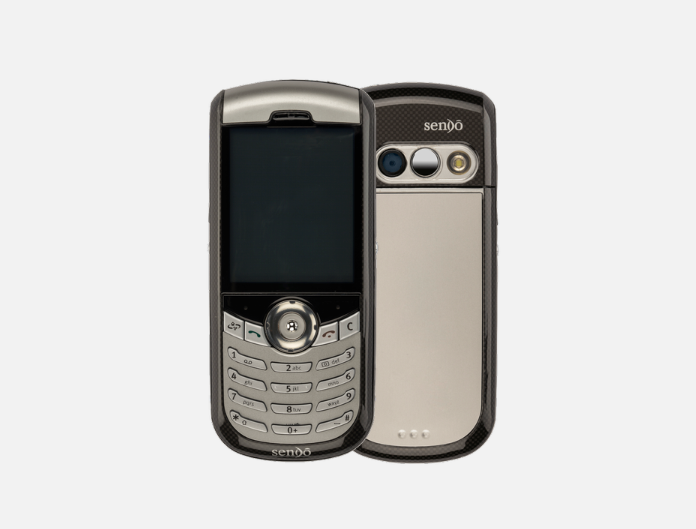
Released in Q4 2003, the Sendo X marked the brand’s entry into the smartphone era. Powered by Symbian 6.1 with Series 60 UI, it boasted multimedia support, a video recorder, and Bluetooth 1.1. Unlike its feature-phone predecessors, the Sendo X offered 32MB internal memory with an MMC/SD card slot, a VGA camera with LED flash, and an MP3/MP4 player—all in a compact 120g body.
📋 Sendo X Full Specifications
| Category | Details |
|---|---|
| Launch | Announced: Q4 2003 Status: Discontinued |
| Network | GSM 900 / 1800 / 1900 GPRS: Class 8 EDGE: No |
| Body | Dimensions: 110 x 49 x 23 mm (108 cc) Weight: 120 g SIM: Mini-SIM |
| Display | Type: TFT, 65K colors Size: 2.2 inches (~28.3% screen-to-body ratio) Resolution: 176 x 220 pixels (~128 ppi) |
| Platform | OS: Symbian 6.1, Series 60 v1.0 UI Chipset: TI OMAP 5910 CPU: 120 MHz ARM925T |
| Memory | Internal: 32MB Card Slot: MMC/SD (expandable) |
| Camera | Rear: VGA (0.3 MP) with LED flash Video recording: Yes Selfie: None |
| Sound | Alert types: Vibration, downloadable polyphonic ringtones Loudspeaker: No 3.5mm jack: No |
| Comms | Bluetooth: 1.1 Infrared port: Yes USB: Proprietary WLAN: No |
| Features | MP3/MP4 player HTML browser with SSL SyncML WAP 2.0/xHTML support |
| Battery | Type: Removable Li-Po 1050 mAh Standby: Up to 170 h Talk time: Up to 7 h |
| Colors | Unspecified |
Sendo X Specs Summary
The Sendo X blended functionality and media into a Symbian-powered shell. With a 0.3MP camera, MP3 player, video capture, and expandable storage, it was ideal for users entering the smartphone age. While it lacked WLAN and a front camera, its support for Bluetooth, HTML browsing, and solid battery life ensured relevance in the early 2000s market.