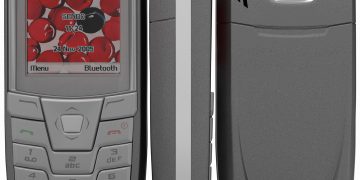
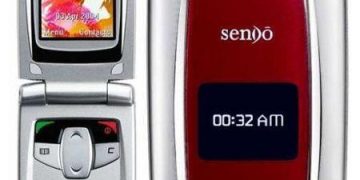
The Sendo D800, released in 2000, marked one of the early mobile phones designed for pure functionality. Built with a minimalistic monochrome display, a compact design, and basic SMS capabilities, this device catered to users seeking a simple communication tool without modern complexities.
Despite being discontinued, the Sendo D800 remains a nostalgic favorite among collectors of vintage mobile phones.
📋 Sendo D800 Full Specifications
| Category | Details |
|---|---|
| Launch | Announced: 2000 Status: Discontinued |
| Network | GSM (2G only) |
| 2G Bands | GSM 900 / 1800 |
| GPRS / EDGE | Not supported |
| Body | 102 x 44 x 19 mm Weight: 68 g SIM: Mini-SIM |
| Display | Monochrome graphic, 96 x 64 pixels, 6 lines Ice Blue backlight |
| Memory | No card slot Message templates supported |
| Camera | No main or selfie camera |
| Sound | Alert: Vibration, monophonic ringtones No loudspeaker, No 3.5mm jack |
| Comms | No Wi-Fi, Bluetooth, or GPS Infrared port: Yes |
| USB/Radio | No USB port No radio |
| Features | Clock, alarm, predictive text, battery backup, organizer |
| Games | 4 preinstalled: FlippIT, Quaddro, Scizzors, Splash |
| Battery | Removable Li-Ion 830 mAh |
| Colors | Not officially listed |
Sendo D800 Specs Summary
The Sendo D800 was among the earliest mass-market feature phones, prioritizing durability, lightweight build, and reliable GSM connectivity. It came with SMS messaging, soft keys, a monochrome display, and an infrared port, which was a premium connectivity feature at the time.
Though lacking modern features like a camera or Bluetooth, it served its purpose during an era where mobile communication was just gaining momentum.