


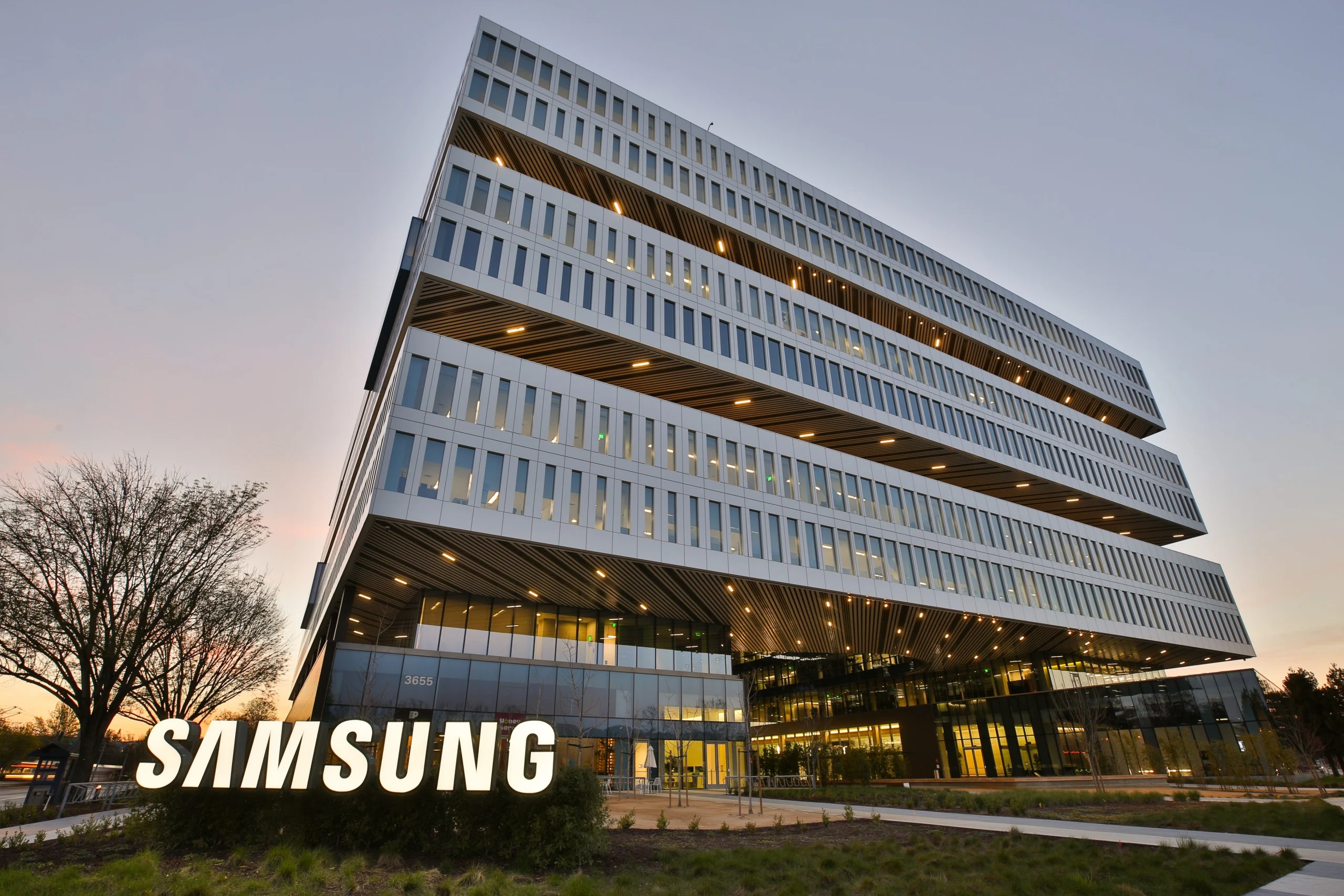
Samsung has temporarily avoided what could have become the largest labor strike in its history after a major union suspended its planned industrial action following a fresh round of negotiations. The dispute, centered around employee bonuses and profit-sharing demands within Samsung’s semiconductor business, had threatened to disrupt one of the world’s most important technology supply chains at a critical time for the global chip industry.
The electronics manufacturer Samsung Electronics has assembly plants and sales networks in 74 countries and employs more than 270,000 workers. Samsung employees in South Korea went on a one-day strike on 7 June 2024. The strike was extended from 8 July to 1 August. It was the first employee led strike in the Samsung Group. Workers in India went on strike since September 2024 for union recognition.
Samsung Group historically has a no-union policy and has been engaged in union-busting activities around the world, including setting up management unions, surveilling workers and retaliating against workers who try to unionize.
The labor union representing workers within Samsung’s Device Solutions division had planned an 18-day strike after accusing the company of failing to adequately share profits with employees despite posting strong financial performance and record sales. However, negotiations led by South Korea’s Minister for Labor and Employment resulted in a tentative agreement that has now paused the planned strike while union members vote on whether to approve the deal.
The proposed agreement includes significant changes to Samsung’s bonus structure, including a special bonus tied directly to operating profits within the company’s semiconductor division. Samsung also reportedly agreed to accept demands related to removing bonus payout caps and introducing a more transparent profit-linked compensation structure.
The situation highlights growing tensions between major global technology corporations and workers seeking larger shares of profits during periods of strong corporate earnings. It also underscores Samsung’s extraordinary importance to South Korea’s economy, where the company accounts for a substantial share of exports, employment, and market capitalization.
Given Samsung’s dominant role in the global semiconductor industry, any major disruption to its operations would likely have had consequences extending far beyond South Korea, potentially affecting international electronics supply chains, chip availability, and technology manufacturing worldwide.
Why the Samsung Union Planned a Strike
The dispute emerged from disagreements over compensation and profit sharing.
Employee Bonus Concerns
Workers argued that Samsung employees were not receiving a fair share of company profits despite strong business performance.
Record Sales and Profits
Samsung’s semiconductor business has experienced periods of extremely high revenue and profitability driven by:
- AI demand
- Memory chip recovery
- Data center expansion
- Smartphone and electronics production
Demands From the Labor Union
The union requested several compensation-related changes.
Profit-Based Bonuses
The union wanted bonuses equivalent to:
- 15% of Samsung operating profits
Removal of Bonus Caps
Workers also demanded:
- Elimination of bonus payout limits
Formalized Bonus Structure
The union sought a more transparent compensation framework tied directly to profitability.
Planned 18-Day Strike
Before negotiations resumed, the union had planned a large-scale industrial action.
Potentially the Largest Strike in Samsung History
The proposed walkout would have lasted:
- 18 days
making it one of the biggest labor disputes the company has faced.
Device Solutions Division Impact
The strike targeted Samsung’s:
- Device Solutions business
which includes semiconductor and chip manufacturing operations.
Why the Strike Was So Important
Samsung plays an outsized role in South Korea’s economy and the global technology sector.
Semiconductor Industry Importance
Samsung is one of the world’s largest semiconductor manufacturers.
Key Product Areas
The company produces:
- Memory chips
- Mobile processors
- Storage components
- Semiconductor technologies
Global Supply Chain Risks
A prolonged strike could have disrupted:
- Chip production
- Electronics manufacturing
- Supply chain stability
Economic Importance to South Korea
Samsung’s role in the national economy is enormous.
Contribution to Exports
Samsung reportedly accounts for:
- 22.8% of South Korea’s total exports
Market Capitalization Influence
The company represents:
- 26% of Korea’s market capitalization
National Economic Impact
Any major disruption affecting Samsung has broader implications for:
- Employment
- Financial markets
- Economic growth
- International trade
Government Intervention and Negotiations
South Korean authorities stepped in to help prevent escalation.
Read Also: Samsung Faces Largest Worker Strike in Company History Over Bonus Dispute
Labor Ministry Involvement
Negotiations were led by:
- South Korea’s Minister for Labor and Employment
Mediation Efforts
Government involvement reflects the economic importance of the dispute.
Tentative Agreement Reached
The negotiations resulted in a preliminary agreement between Samsung and the union.
Details of the Proposed Samsung Bonus Agreement
The tentative deal includes several major concessions.
Special Bonus for Chip Division
Samsung would provide:
- Special bonus equal to 10.5% of operating profits
within the semiconductor division.
Removal of Bonus Caps
Samsung reportedly agreed to:
- Abolish bonus payout caps
Major Union Demand Addressed
This was one of the labor union’s key requests.
Profit-Linked Compensation Structure
The company would also:
- Link bonuses directly to operating profits
More Transparent System
Workers had requested a formalized performance-based bonus structure.
Semiconductor Division Bonus Pool
The tentative agreement also allocates:
- 40% of the total bonus pool
to the chip division, in addition to the special bonus.
Union Member Vote
The agreement is not yet final.
Voting Period
Union members are scheduled to vote between:
- May 22 and May 27
on whether to accept the proposal.
Possibility of Further Action
If members reject the deal, labor tensions could potentially resume.
Read Also: Samsung Chip Production Disrupted by Labor Protest in South Korea
Estimated Financial Impact of the Strike
The planned strike carried major economic risks.
Estimated Direct Losses
South Korean Prime Minister Kim Min-seok estimated that direct losses could have reached:
- KRW 1 trillion
- Approximately $660 million
if the strike had proceeded.
Semiconductor Production Risks
Extended disruption could have impacted:
- Production schedules
- Export shipments
- Global technology supply chains
Why Labor Issues Are Increasing in the Tech Industry
The Samsung dispute reflects wider global labor trends.
Growing Worker Expectations
Employees increasingly demand larger shares of profits during periods of strong corporate earnings.
Pressure From Inflation and Cost of Living
Economic pressures are contributing to wage and bonus disputes worldwide.
Semiconductor Industry Profitability
The AI and data center boom has significantly boosted semiconductor revenues.
Increased Union Activity
Technology-sector labor organization efforts have grown in several countries.
Samsung’s Strategic Importance Globally
Samsung is not only critical to South Korea but also to the global electronics ecosystem.
Key Supplier for Technology Products
Samsung supplies components used in:
- Smartphones
- Servers
- Consumer electronics
- Automotive systems
AI and Memory Chip Demand
The company benefits heavily from growing demand for:
- High-bandwidth memory
- AI accelerators
- Advanced semiconductors
Competition With Global Rivals
Samsung competes directly with companies such as:
- TSMC
- SK Hynix
- Micron
- Intel
Why Semiconductor Stability Matters Globally
The chip industry remains strategically critical worldwide.
Chips Power Modern Technology
Semiconductors are essential for:
- Smartphones
- AI systems
- Cloud computing
- Vehicles
- Industrial equipment
Supply Chain Sensitivity
Any disruption can affect multiple industries simultaneously.
Governments Prioritizing Semiconductor Security
Many countries now view semiconductor production as a strategic national priority.
Broader Implications for Samsung
The dispute may influence Samsung’s future labor relations and compensation policies.
Potential Shift in Compensation Strategy
Samsung may face pressure to maintain more profit-linked compensation structures.
Employee Retention Challenges
Competition for semiconductor talent remains intense globally.
Increased Focus on Workforce Stability
Maintaining labor stability is increasingly important for major technology firms.
Frequently Asked Questions
Why was the Samsung union planning a strike?
The union argued that workers were not receiving fair profit-sharing despite Samsung’s strong financial performance.
What division was affected?
The planned strike targeted Samsung’s Device Solutions semiconductor business.
What did the tentative agreement include?
The proposal includes:
- Special profit-linked bonuses
- Removal of bonus caps
- Expanded semiconductor division bonus allocation
How important is Samsung to South Korea?
Samsung reportedly accounts for:
- 22.8% of South Korea’s exports
- 26% of its market capitalization
Has the strike been completely canceled?
Not yet. Union members still need to vote on the tentative agreement.
Conclusion
Samsung’s decision to suspend the planned strike following new negotiations represents a significant development not only for the company but also for South Korea’s economy and the global semiconductor industry. The dispute highlighted growing tensions around employee compensation, profit-sharing, and workforce expectations at a time when semiconductor companies are benefiting from surging demand tied to artificial intelligence and advanced computing technologies.
The tentative agreement may help stabilize Samsung’s labor situation in the short term while avoiding potentially severe financial and supply chain disruptions. However, the situation also reflects a broader global shift where workers within highly profitable technology industries are increasingly seeking more direct participation in corporate success through transparent and performance-linked compensation structures.


