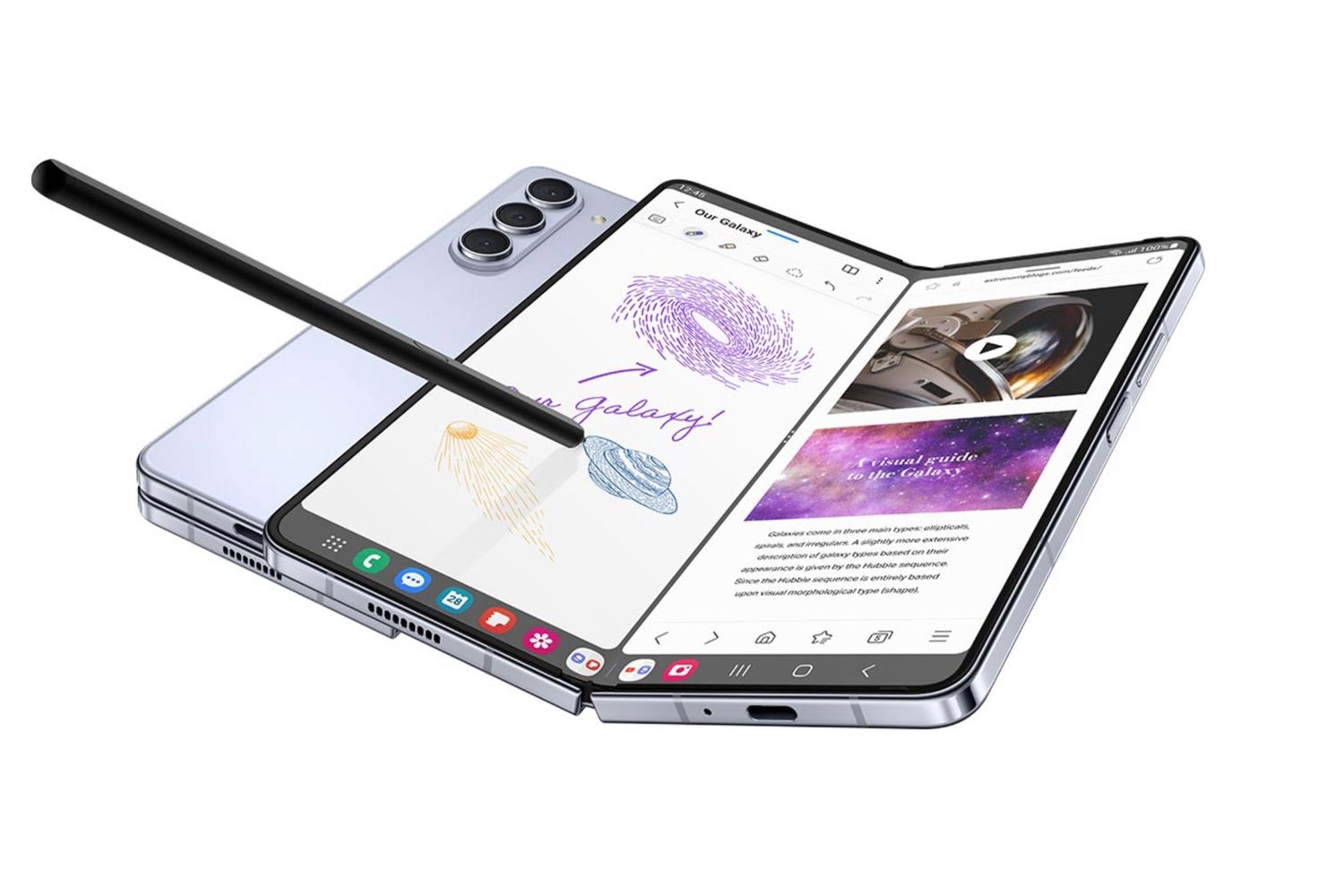
Samsung has officially expanded the rollout of the stable One UI 8.5 update for the Samsung Galaxy Z Fold5 and Samsung Galaxy Z Flip5, marking another major step in the company’s aggressive software support strategy for foldable devices.
After initially launching the update in South Korea last week, Samsung has now begun distributing the stable firmware to additional global markets, with India among the first countries outside Samsung’s home market to receive the release.
The wider rollout reinforces Samsung’s growing reputation as one of the fastest Android manufacturers when it comes to long-term software updates — an area that has become increasingly important as consumers keep smartphones longer and expect flagship devices to remain relevant for years.
For foldable phone users especially, software optimization plays a critical role in delivering a polished experience across multitasking, large-screen usability, battery management, and AI-powered features.
Samsung Expands One UI 8.5 Rollout Beyond South Korea
Samsung traditionally begins major software rollouts in South Korea before expanding globally in phases.
That pattern has continued with One UI 8.5.
The update is now reaching additional regions including India, suggesting Samsung is confident in the firmware’s stability after its initial domestic release.
Firmware Versions Rolling Out in India
According to the rollout details:
- Galaxy Z Fold5 users are receiving firmware version F946BXXU6GZE2
- Galaxy Z Flip5 users are receiving firmware version F731BXXU6GZE3
Users who have not yet received the update notification can manually check for availability through:
Settings > Software update > Download and install
As with most Samsung software deployments, availability may vary depending on:
- Carrier approvals
- Region
- Device model
- Staged rollout timing
One UI 8.5 Continues Samsung’s Software Leadership Push
Over the past several years, Samsung has transformed its reputation in Android software support.
The company now competes directly with Google in terms of long-term Android update commitments.
That improvement has become one of Samsung’s strongest competitive advantages in the premium smartphone market.
Why Software Updates Matter More Than Ever
Consumers increasingly use smartphones for longer periods before upgrading.
As device prices continue rising, buyers expect extended software support to justify premium purchases.
Software updates now influence:
- Security
- Performance optimization
- Battery efficiency
- Camera improvements
- AI capabilities
- App compatibility
- Resale value
For foldable smartphones in particular, software refinement is especially important because foldables rely heavily on optimized multitasking and adaptive interface design.
Samsung Foldables Depend Heavily on Software Optimization
Unlike traditional smartphones, foldable devices introduce unique software challenges.
Samsung’s One UI platform plays a central role in making the foldable experience practical and polished.
Key areas include:
- App continuity between screens
- Split-screen multitasking
- Flex Mode optimization
- Large-screen UI scaling
- Taskbar integration
- Gesture navigation
One UI has gradually evolved into one of the most sophisticated foldable Android interfaces available.
Galaxy Z Fold5 and Flip5 Remain Important Devices for Samsung
Although newer foldables are expected later in 2026, the Galaxy Z Fold5 and Flip5 remain major parts of Samsung’s foldable ecosystem.
The devices helped Samsung further solidify its dominance in the foldable smartphone market.
Galaxy Z Fold5 Focused on Productivity
The Fold5 continues targeting power users seeking:
- Tablet-like multitasking
- Large-screen productivity
- S Pen support
- Advanced app workflows
- Premium hardware
Its book-style foldable design positions it as a hybrid between smartphone and tablet.
Galaxy Z Flip5 Prioritized Portability
Meanwhile, the Flip5 appealed more heavily to mainstream consumers focused on:
- Compact design
- Fashion-oriented styling
- Pocketability
- Social media use
- Improved cover screen functionality
Together, the two devices helped Samsung maintain leadership in foldables while competitors continued struggling to scale globally.
One UI 8.5 Likely Includes AI and Productivity Enhancements
Samsung has not fully detailed every change included in One UI 8.5 for the Fold5 and Flip5 globally, but expectations are high given Samsung’s increasing focus on AI-powered software experiences.
Galaxy AI Is Becoming Central to Samsung’s Ecosystem
Artificial intelligence has rapidly become the defining trend across the smartphone industry in 2026.
Samsung has aggressively integrated Galaxy AI features throughout its ecosystem.
Potential One UI 8.5 enhancements may include:
- Smarter multitasking tools
- AI-assisted text summaries
- Improved translation features
- Enhanced voice processing
- Better image editing
- Predictive battery optimization
- Context-aware suggestions
Foldables are particularly well-suited for AI-powered workflows because their larger displays support multitasking and content creation more effectively than conventional smartphones.
Foldable Software Has Become a Competitive Battlefield
While hardware innovation initially drove foldable smartphone excitement, software quality increasingly determines the user experience.
Many Android manufacturers now produce foldable hardware, but Samsung continues maintaining a major advantage in software maturity.
Samsung’s Foldable Software Advantage
Samsung benefits from years of foldable software refinement and close collaboration with Google.
That partnership has enabled Samsung to optimize:
- Android large-screen behavior
- Multi-window functionality
- App compatibility
- Foldable transitions
- Productivity features
Competitors often struggle to match Samsung’s ecosystem polish.
One UI 8.5 therefore represents more than just another update — it reinforces Samsung’s broader foldable leadership strategy.
Security and Stability Updates Remain Crucial
In addition to feature additions, One UI 8.5 likely includes important security improvements and system optimizations.
Security updates have become increasingly critical as smartphones store:
- Financial information
- Authentication credentials
- Sensitive communications
- Work-related data
- AI-generated personal content
Samsung’s enterprise and security reputation remains one of its strongest assets, particularly among premium users and business customers.
Samsung’s Global Rollout Strategy Reflects Confidence
Samsung’s decision to quickly expand the rollout beyond South Korea suggests the company is increasingly confident in its software testing pipeline.
Historically, major Android updates often experienced delays due to:
- Carrier approvals
- Regional customization
- Device optimization
- Stability concerns
Samsung has significantly accelerated its update rollout speed in recent years.
That faster deployment helps Samsung compete more effectively against Apple’s tightly controlled software ecosystem.
Samsung Continues Strengthening Customer Retention
Long-term software support has become an increasingly powerful retention tool for smartphone manufacturers.
By consistently updating older premium devices, Samsung encourages customers to remain within the Galaxy ecosystem.
That ecosystem now spans:
- Smartphones
- Foldables
- Tablets
- Smartwatches
- Laptops
- Earbuds
- Smart home products
The broader and more integrated the ecosystem becomes, the more valuable software consistency becomes as well.
Foldables Are Becoming More Mainstream
The One UI 8.5 rollout also highlights how foldables are gradually transitioning from experimental devices into mainstream premium smartphones.
Consumers increasingly expect foldables to receive the same level of software attention and long-term support as traditional flagship devices.
Samsung’s update strategy appears designed to reinforce buyer confidence in foldable longevity.
Samsung Faces Growing Foldable Competition
Although Samsung remains the global foldable leader, competition is intensifying rapidly.
Rivals including:
- Honor
- Huawei
- Oppo
- Vivo
- Xiaomi
- Motorola
continue releasing increasingly advanced foldable devices.
Many competitors now challenge Samsung on hardware thinness, battery capacity, or camera systems.
Software experience, however, remains one of Samsung’s strongest differentiators.
One UI 8.5 Could Improve Device Longevity
Software optimization can significantly improve long-term smartphone usability.
Updates often enhance:
- Thermal efficiency
- Battery management
- App responsiveness
- Memory handling
- Camera processing
For foldable devices, ongoing optimization is especially important because foldable form factors involve more complex hardware interactions.
Frequently Asked Questions
Which Samsung foldables are receiving One UI 8.5?
The stable One UI 8.5 update is rolling out for the Galaxy Z Fold5 and Galaxy Z Flip5.
Where is the One UI 8.5 update available?
The rollout started in South Korea and is now expanding globally, including India.
How can I check for the One UI 8.5 update?
Users can manually check through:
Settings > Software update > Download and install
What firmware version is the Fold5 receiving?
The Galaxy Z Fold5 update in India carries firmware version F946BXXU6GZE2.
What firmware version is the Flip5 receiving?
The Galaxy Z Flip5 update in India uses firmware version F731BXXU6GZE3.
Does One UI 8.5 include AI features?
Samsung has not detailed all features yet, but Galaxy AI enhancements are widely expected.
Read Also: Samsung Galaxy Watch5 Pro Specifications and Review
Conclusion
Samsung’s global rollout of One UI 8.5 for the Galaxy Z Fold5 and Flip5 reinforces the company’s growing dominance not only in foldable hardware, but also in Android software support.
The update reflects Samsung’s broader strategy of delivering long-term value through consistent software improvements, AI integration, security enhancements, and foldable-specific optimizations.
As foldables become more mainstream and competition intensifies, software quality may increasingly determine which companies succeed in the premium mobile market.
For Samsung, One UI 8.5 is not just another firmware update — it is part of a much larger effort to strengthen the Galaxy ecosystem and maintain leadership in one of the smartphone industry’s most important emerging categories.