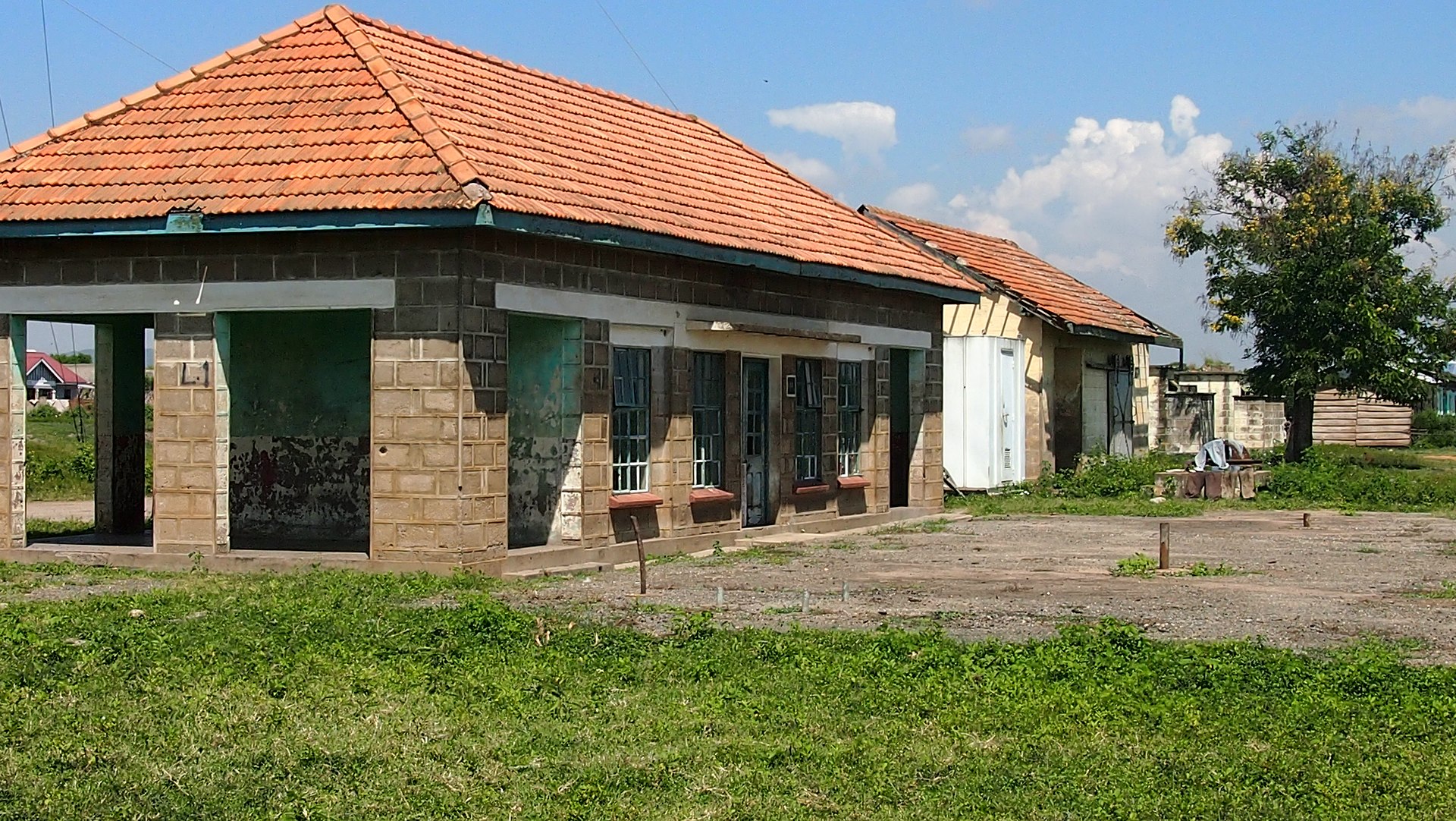
The railway stations in Uganda form part of the historic Uganda Railways network, which connects the country to neighboring Kenya, South Sudan, the Democratic Republic of the Congo, and Tanzania. Uganda’s railway system dates back to the early 20th century, built primarily for trade, mineral transport, and colonial administration. While many sections are old and in need of repair, railway infrastructure remains central to Uganda’s long-term transport strategy, especially with new standard gauge railway (SGR) projects under development.
Existing Railway Stations in Uganda
Uganda’s operational and historic stations include:
- Malaba (Uganda) – A major border station connecting Uganda with Kenya.
- Tororo – Located near the Kenya border, it is a junction for the northern railway line.
- Iganga – An important stop on the main line between Tororo and Kampala.
- Jinja – A key station with a bridge over the Victoria Nile, near the old copper smelter.
- Busembatia – Located on the eastern main line.
- Kampala Railway Station – Uganda’s capital and central hub of the railway system.
- Kasese – A southwestern railhead serving cement works and the historic Kilembe copper mines.
- Port Bell – A branch line from Kampala connecting to Lake Victoria ferries.
- Mbale – A station on the northern extension.
- Kumi – Part of the northern line.
- Aloi – Northern Uganda.
- Soroti – Junction town in eastern Uganda.
- Lira – A northern station connecting the north-central region.
- Gulu – Northern Uganda’s major station.
- Pakwach – A river port station on the Albert Nile.
- Arua – Formerly connected station in northwestern Uganda.
- Nalukolongo – Home to Uganda Railways workshops.
- Kilembe – Serving the copper mine.
Proposed Railway Expansions
Uganda’s railway master plan includes ambitious projects to revive and expand rail connectivity. Proposed lines include:
- Standard Gauge Railway (SGR) – Linking Malaba, Tororo, Iganga, Jinja, Mukono, Wakiso, and Kampala, extending to Gulu, Pakwach, and further into South Sudan.
- South Sudan Connection – From Gulu and Nimule to Juba.
- Congo Link – Extension from Kasese westwards to Kisangani in the DRC.
- Tanzania Link – From Masaka southwards to Biharamulo in Tanzania.
- Oil Route – Proposed line to Hoima, serving Uganda’s upcoming oil refinery.
The SGR is part of the wider East African Rail Master Plan, which aims to standardize and modernize railway infrastructure across the region.
Importance of Railway Stations in Uganda
The railway stations in Uganda were historically built to transport copper, cotton, and coffee to the coast. Today, they are being revitalized to support regional trade, industrialization, and oil development. The government’s investment in standard gauge railways is expected to reduce transport costs, increase efficiency, and strengthen Uganda’s role as a logistics hub in East and Central Africa.
Stations like Kampala, Jinja, and Malaba remain crucial for trade with Kenya, while Kasese and Gulu are important for linking western and northern Uganda to regional networks. Once fully modernized, Uganda’s railway stations will significantly boost economic growth and regional integration.