


The Qatar Photo Spots list for 2026 highlights a growing number of locations across the country that have become popular for photography, reflecting Qatar’s expanding tourism and cultural landscape. From central Doha landmarks to desert installations, these sites offer a mix of modern architecture, heritage and curated public spaces.
The selection, compiled by ILoveQatar.net, comes as the country continues to position itself as a destination for both regional and international visitors. The range of locations underscores Qatar’s investment in infrastructure, cultural venues and urban design, all of which contribute to its visual appeal.
Qatar Photo Spots feature iconic landmarks
Among the most prominent Qatar Photo Spots is the Museum of Islamic Art, which remains a central attraction along the Doha Corniche. The museum’s courtyard arches provide a framed view of the skyline, making it a widely photographed site.
Similarly, the National Museum of Qatar stands out for its distinctive architecture inspired by the desert rose. The structure has become one of the country’s most recognisable visual landmarks, attracting visitors interested in both design and cultural heritage.
In addition, the Lusail Plaza Towers offer a modern urban setting. Located along Lusail Boulevard, the towers are frequently used as a backdrop for cityscape photography, particularly due to their symmetrical layout.
Read Also: Best Internet Providers in Qatar: Simplified Guide 2024
Qatar Photo Spots highlight urban and leisure spaces
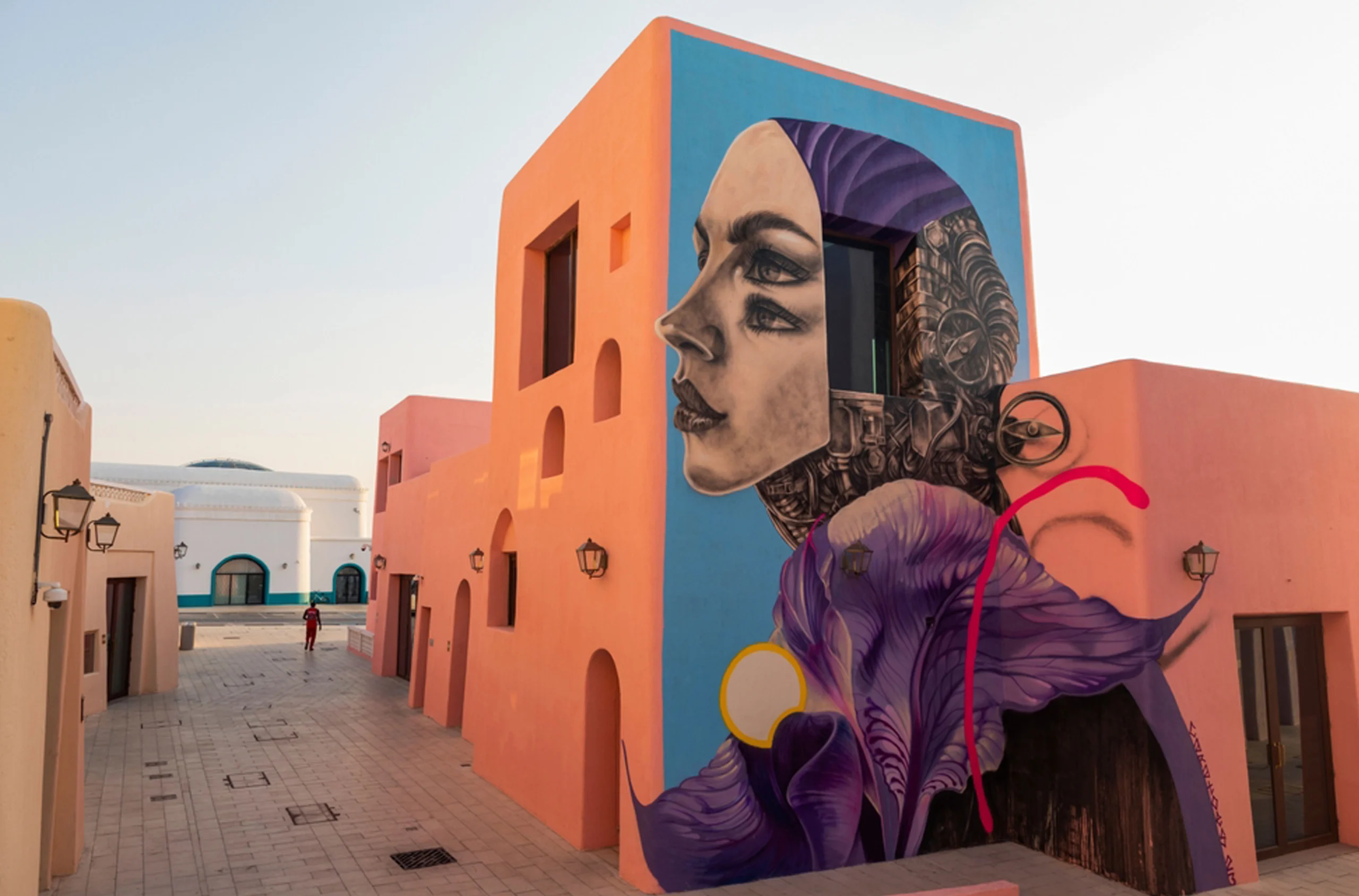
Urban developments and leisure destinations also feature prominently in the Qatar Photo Spots list. The Mina District at Old Doha Port, known for its pastel-coloured buildings, reflects a more contemporary aesthetic that appeals to younger visitors.
Shopping and lifestyle venues have also emerged as key photography locations. Villaggio Mall is noted for its canal design and themed interiors, while Place Vendôme Mall offers a more formal setting with large-scale architecture and luxury branding.
These locations highlight how commercial spaces are increasingly designed with visual appeal in mind, aligning with broader tourism strategies.
Cultural and religious sites among Qatar Photo Spots
Cultural and religious landmarks also form a significant part of the Qatar Photo Spots landscape. The Katara Cultural Village, particularly its Blue Mosque, is known for its detailed patterns and architectural design.
Meanwhile, the Education City Mosque offers a quieter setting within Qatar Foundation. Its design reflects a blend of modern and traditional elements, contributing to its appeal as a photography location.
Souq Waqif, one of Doha’s oldest marketplaces, continues to attract photographers seeking traditional settings. Its narrow alleys, textured walls and warm lighting provide a contrast to the country’s modern developments.
Unique installations expand Qatar Photo Spots appeal
Beyond urban and cultural sites, the Qatar Photo Spots list includes unique installations and public art projects. One example is “Shadows Travelling on the Sea of the Day,” an installation by Olafur Eliasson located near Al Zubarah.
The artwork, consisting of circular structures set against the desert landscape, offers a distinct visual contrast that has drawn attention from photographers and visitors.
In addition, infrastructure spaces such as Hamad International Airport have also become notable for photography. The Orchard, an indoor garden within the airport, combines greenery and glass architecture to create a controlled yet visually striking environment.
Parks and public spaces enhance accessibility
Public parks and open spaces further expand the accessibility of Qatar Photo Spots. Locations such as Crescent Park in Lusail and the Umbrella Tunnel along the Corniche provide structured settings for photography while remaining accessible to the general public.
Al Sadd Metro Station, known for its murals created during the POW! WOW! Doha festival, adds a contemporary urban art element to the list. These spaces reflect efforts to integrate art and design into everyday public infrastructure.
Moreover, Gewan Island’s Crystal Walk and Qanat Quartier at The Pearl Island highlight waterfront and residential developments that combine aesthetics with leisure.
Broader implications for tourism and urban design
The growing list of Qatar Photo Spots reflects broader trends in tourism and urban planning. As countries compete to attract visitors, visual appeal and “photogenic” environments have become increasingly important.
In Qatar’s case, the integration of cultural, commercial and public spaces into a cohesive visual identity supports its tourism strategy. These developments also contribute to the country’s branding as a destination that blends tradition with modernity.
Furthermore, the diversity of locations—from heritage sites to contemporary installations—indicates a deliberate effort to cater to different visitor interests.
Outlook for Qatar Photo Spots
The continued expansion of Qatar Photo Spots is expected as new projects and developments are completed. Future additions may further enhance the country’s appeal, particularly as global travel demand evolves.
For now, the 2026 list provides a snapshot of how Qatar’s built environment and cultural investments are shaping its image. As more visitors document and share these locations, their visibility is likely to increase.
The emphasis on accessible, visually distinctive spaces suggests that photography will remain a key element of the tourism experience. In turn, the growth of such locations may influence future urban design and cultural initiatives across the region.


