


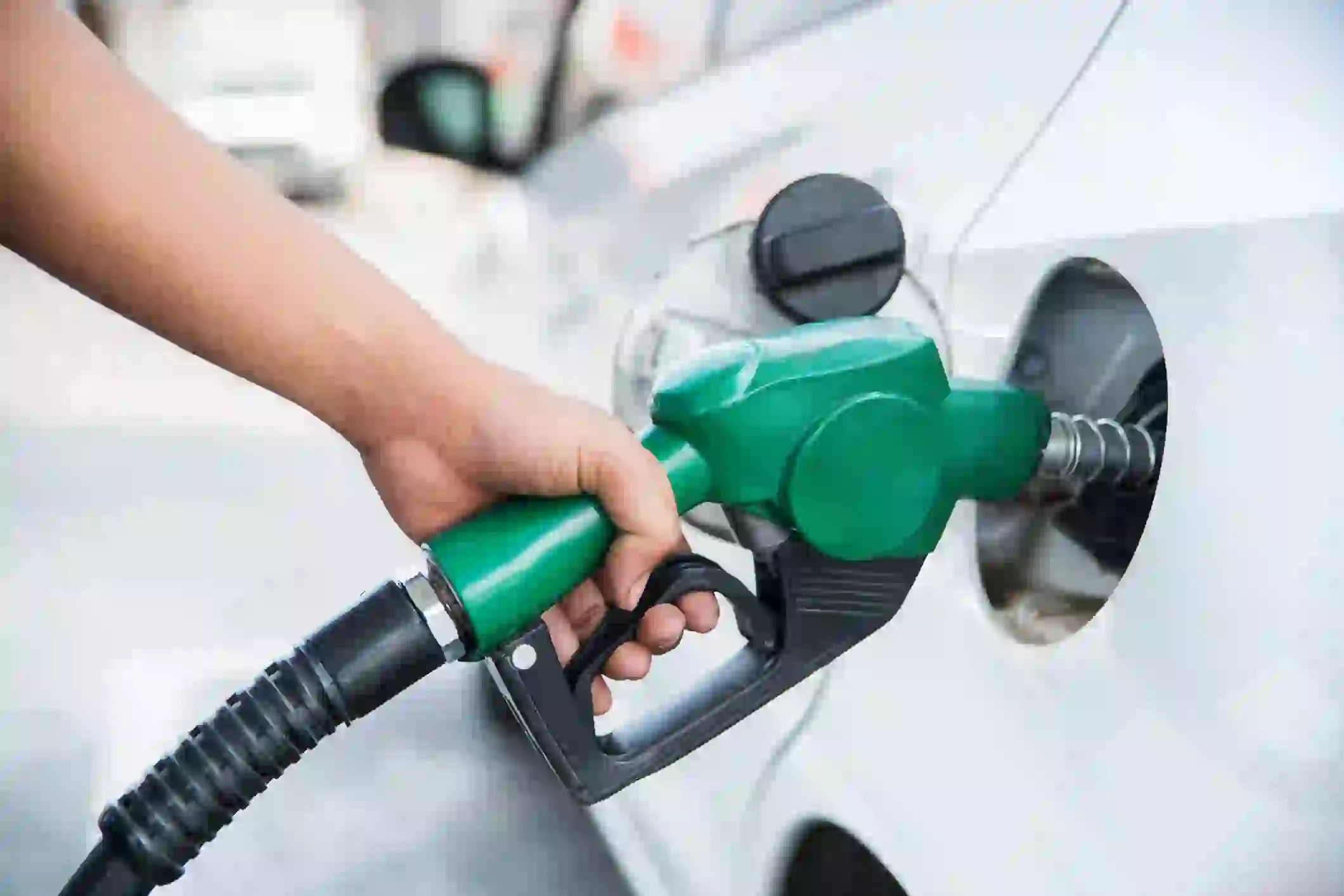
Norway fuel prices remain among the most closely watched energy indicators in Europe as the country balances oil wealth, environmental policy, electric vehicle adoption, and energy market volatility. Gasoline, diesel, and electricity prices directly affect transportation costs, household budgets, industrial competitiveness, and consumer behavior across one of the world’s wealthiest economies.
Despite being one of the world’s largest oil and natural gas exporters, Norway maintains relatively high transportation fuel prices because of taxes, environmental policies, and carbon reduction goals. At the same time, the country benefits from abundant hydropower resources that help maintain comparatively competitive electricity prices for households and businesses.
Norway’s energy system is unique because it combines major fossil fuel exports with aggressive renewable energy and electric vehicle policies. The country has become a global leader in EV adoption, supported by high fuel taxes, government incentives, and strong electricity infrastructure.
Norway fuel prices therefore provide important insight into European energy markets, climate policy, transportation trends, and the future of low-carbon economies. Fuel are any materials that can react with other substances to release energy as thermal energy or to be used for work. The concept was originally applied solely to those materials capable of releasing chemical energy but has since also been applied to other sources of heat energy, such as nuclear energy (via nuclear fission and nuclear fusion).
Read Also: Moldova Fuel Prices and Energy Costs
Current Fuel Prices in Norway
The table below shows the latest available fuel and electricity prices in Norway.
| Fuel Type | Date | Price (NOK) | Price (USD) | Unit |
|---|---|---|---|---|
| Gasoline (Octane-95) | 18 May 2026 | 22.68 | 2.446 | Per liter |
| Diesel | 18 May 2026 | 20.71 | 2.234 | Per liter |
| Electricity (Households) | 1 Sept 2025 | 1.881 | 0.203 | Per kWh |
| Electricity (Business) | 1 Sept 2025 | 0.948 | 0.102 | Per kWh |
Gasoline prices in Norway remain among the highest in Europe, while business electricity costs remain significantly lower than household rates.
Current Electricity Prices in Norway
Electricity pricing in Norway reflects the country’s extensive hydropower resources and modern electricity infrastructure. Residential electricity currently averages 1.881 NOK per kWh, while businesses pay approximately 0.948 NOK per kWh.
Residential Electricity Costs
Norwegian households rely heavily on electricity for heating, appliances, lighting, and electric vehicle charging, particularly during long winter seasons.
Electricity affordability remains important because colder temperatures increase household energy consumption significantly.
Business Electricity Costs
Commercial electricity rates support industries such as aluminum production, manufacturing, shipping, technology, and maritime services.
Norway’s industrial competitiveness benefits from relatively stable and renewable-based electricity generation.
Hydropower Dominance
Hydroelectric power supplies the majority of Norway’s electricity generation, making the country one of Europe’s cleanest electricity producers.
Current Natural Gas Prices in Norway
Although separate natural gas pricing data was not provided, Norway remains one of Europe’s most important natural gas exporters.
Major European Gas Supplier
Norway supplies large volumes of natural gas to European markets through extensive pipeline infrastructure.
Domestic Energy Role
Natural gas also supports industrial production and export revenues within the Norwegian economy.
Energy Security Importance
Norwegian gas exports became increasingly important for Europe following disruptions in broader global energy markets.
Why Fuel Prices in Norway Are Rising or Falling
Several key factors influence Norway fuel prices.
Environmental Taxes
Norway imposes significant fuel taxes aimed at reducing emissions and encouraging cleaner transportation alternatives.
Global Oil Prices
International crude oil markets continue influencing gasoline and diesel pricing.
Carbon Reduction Policies
Climate policy and emissions reduction targets remain central to transportation fuel pricing structures.
Currency Exchange Rates
The Norwegian krone’s performance against major currencies affects import and export pricing dynamics.
EV Transition
Rapid electric vehicle adoption is gradually reshaping transportation fuel demand patterns.
Gasoline Prices in Norway
Gasoline prices currently average 22.68 NOK per liter or approximately $2.446 USD per liter.
High Fuel Taxation
Norway maintains high fuel taxes to discourage fossil fuel consumption and support climate goals.
Transportation Costs
Gasoline prices directly affect commuting, freight transportation, and household mobility expenses.
Electric Vehicle Shift
High gasoline costs have accelerated Norway’s transition toward electric transportation.
Diesel Prices in Norway
Diesel currently costs approximately 20.71 NOK per liter.
Freight and Logistics
Diesel remains essential for shipping, freight transportation, construction, and industrial operations.
Maritime Sector
Norway’s shipping and maritime industries consume significant diesel volumes.
Industrial and Commercial Impact
Transportation and logistics companies closely monitor diesel pricing because it affects operational costs.
Read Also: Lithuania Fuel Prices and Energy Costs
Electricity Prices and Power Costs
Electricity remains central to Norway’s low-carbon economic model.
Renewable Electricity Leadership
Hydropower gives Norway one of the cleanest electricity systems globally.
EV Charging Infrastructure
Low-emission electricity supports widespread electric vehicle charging networks across the country.
Industrial Energy Demand
Energy-intensive industries rely on stable and renewable electricity supply.
Household Heating Needs
Electric heating remains widespread because of Norway’s cold climate.
Norway’s Electric Vehicle Revolution
Norway has become the global leader in electric vehicle adoption.
EV Incentives
Government incentives, tax exemptions, and charging infrastructure have accelerated EV adoption.
Fuel Price Influence
High gasoline and diesel prices encourage consumers to switch to electric vehicles.
Charging Infrastructure Expansion
Norway continues investing heavily in nationwide charging networks.
Global Climate Leadership
The country is widely viewed as a model for transportation electrification policies.
How Norway Compares to Other Countries
Norway fuel prices remain among the highest globally.
Compared With Sweden
Both Nordic economies maintain strong environmental taxation and renewable energy policies.
Compared With Germany
Norway generally benefits from cleaner electricity generation and stronger EV adoption rates.
Compared With Oil-Producing Countries
Unlike many oil exporters, Norway uses taxation to maintain high domestic fuel prices despite large oil revenues.
Compared With Global Electricity Prices
Norwegian electricity prices remain relatively competitive given Europe’s broader energy market conditions.
Economic Impact of Fuel Prices in Norway
Energy prices strongly influence Norway’s broader economy.
Transportation Costs
Fuel prices affect logistics, commuting, aviation, and shipping sectors.
Household Budgets
Electricity and transportation expenses remain important household financial considerations.
Industrial Competitiveness
Renewable electricity helps support manufacturing and industrial sectors.
Government Revenue
Fuel taxes contribute significant government revenue while supporting climate initiatives.
Energy Export Wealth
Oil and gas exports remain major contributors to Norway’s sovereign wealth fund and fiscal stability.
Government Policies Affecting Fuel Prices
Government policy remains central to Norway’s energy market.
Carbon Taxes
Norway uses carbon pricing and environmental taxes aggressively to reduce emissions.
EV Incentive Programs
Electric vehicle adoption policies remain among the world’s most advanced.
Renewable Energy Policy
Hydropower and renewable infrastructure continue receiving strong policy support.
Climate Transition Goals
Norway aims to accelerate decarbonization while maintaining energy export competitiveness.
Future Fuel Price Forecast for Norway
The future outlook for Norway fuel prices depends heavily on environmental policy and global energy markets.
Oil Market Trends
Global crude oil prices will continue influencing gasoline and diesel pricing.
EV Market Growth
Electric vehicle adoption is expected to continue reducing transportation fuel demand.
Renewable Energy Expansion
Hydropower and clean energy investment will remain central to long-term electricity strategy.
Carbon Policy Tightening
Future climate policies may increase pressure on fossil fuel consumption further.
Frequently Asked Questions About Fuel Prices in Norway
Why are fuel prices high in Norway?
Norway fuel prices remain high because of taxes, environmental policy, and carbon reduction strategies.
What is the current gasoline price in Norway?
Gasoline prices currently average 22.68 NOK per liter or approximately $2.446 USD per liter.
Why is electricity relatively affordable in Norway?
Norway benefits from extensive hydropower generation and renewable electricity infrastructure.
Is Norway still an oil-producing country?
Yes. Norway remains one of the world’s largest oil and natural gas exporters.
Why does Norway promote electric vehicles?
The government uses EV incentives and high fuel taxes to reduce emissions and accelerate clean transportation.
Are fuel prices expected to rise in Norway?
Future prices will depend on global oil markets, taxation policies, and climate regulations.
Conclusion
Norway fuel prices remain deeply connected to environmental policy, oil wealth, renewable electricity generation, and transportation electrification. Gasoline, diesel, and electricity prices continue shaping consumer behavior, industrial competitiveness, and climate transition efforts across one of Europe’s most advanced economies.
Although Norway remains a major global oil and gas exporter, the country has positioned itself as a world leader in renewable energy and electric vehicle adoption. High fuel taxes and extensive hydropower infrastructure have helped accelerate the transition toward low-emission transportation and cleaner electricity systems.
Looking ahead, Norway’s energy future will depend on balancing fossil fuel exports, climate policy, renewable energy investment, and continued transportation electrification. Monitoring Norway fuel prices therefore remains essential for understanding both European energy trends and the broader global transition toward cleaner energy systems.
Read Also: Ireland Fuel Prices and Energy Costs


