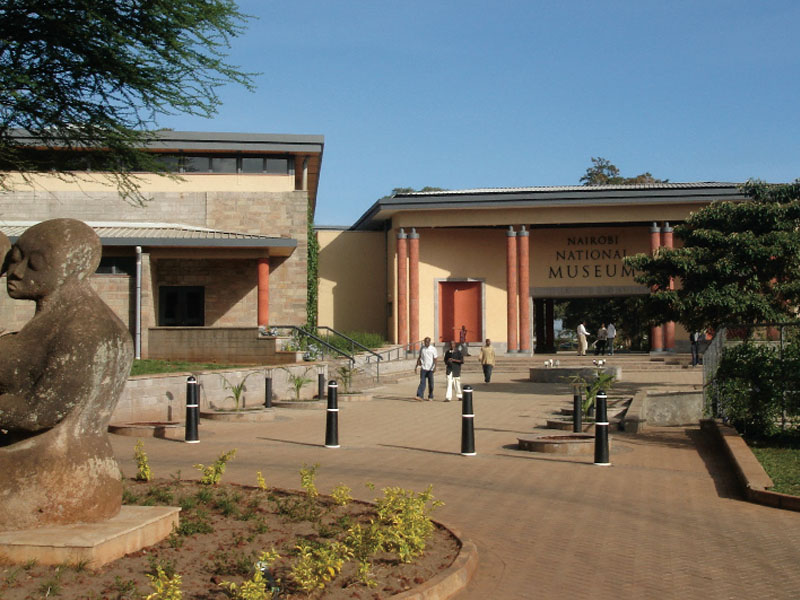
Kenya is a country rich in history, culture, and natural heritage, preserved in its many museums and historical sites. Administered primarily by the National Museums of Kenya (NMK), these institutions offer a glimpse into Kenya’s diverse cultural and natural history. Here is a detailed list of Kenya’s museums, categorized for easier exploration.
Community and Cultural Museums
1. Abasuba Community Peace Museum
- Location: Mfangano Island
- Significance: Focuses on Suba culture, peacebuilding, and the history of the Abasuba people.
2. Aeumbu Community Peace Museum
- Location: Near Embu
- Significance: Promotes cultural preservation and peace among local communities.
3. Akamba Community Peace Museum
- Location: Near Machakos
- Significance: Celebrates the heritage of the Akamba community and their role in peacebuilding.
4. Lari Memorial Peace Museum
- Location: Kiambu District
- Significance: Honors victims of the Lari Massacre and promotes peace and reconciliation.
5. Seu-Seu Community Peace Museum
- Location: Kenya
- Significance: Dedicated to cultural preservation and peace education.
Historical and Heritage Museums
6. Fort Jesus Museum
- Location: Mombasa
- Significance: A UNESCO World Heritage Site, showcasing the history of Portuguese, Arab, and Swahili interactions.
7. Kabarnet Museum
- Location: Kabarnet
- Significance: Features exhibits on the Kalenjin culture and Rift Valley history.
8. Karen Blixen Museum
- Location: Near Nairobi
- Significance: Former home of Danish author Karen Blixen, known for her memoir Out of Africa.
9. Kapenguria Museum
- Location: Kapenguria
- Significance: Famous for its association with Kenya’s independence leaders, including Jomo Kenyatta.
10. Lamu Museum
- Location: Lamu
- Significance: Celebrates Swahili culture and maritime history.
11. Krapf Memorial Museum
- Location: Rabai
- Significance: Dedicated to Johann Ludwig Krapf, a German missionary who introduced Christianity to East Africa.
12. Rabai Museum
- Location: Rabai
- Significance: Focuses on the introduction of Christianity and early missionary activities in Kenya.
13. Siyu Fort
- Location: Lamu Archipelago
- Significance: A historic Swahili fort, showcasing the region’s rich cultural heritage.
Prehistoric and Archaeological Sites
14. Gede National Monument
- Location: Malindi
- Significance: Features ruins of a 12th-century Swahili town surrounded by dense forest.
15. Kariandusi Pre-Historic Site Museum
- Location: Near Nakuru
- Significance: One of Kenya’s earliest archaeological sites, known for stone tools.
16. Koobi Fora Pre-Historic Site
- Location: Turkana
- Significance: A UNESCO World Heritage Site, famous for significant hominid fossil discoveries.
17. Olorgesailie Pre-Historic Site
- Location: Olorgesailie
- Significance: Known for its ancient hand axes and artifacts dating back over a million years.
18. Thimlich Ohinga
- Location: Migori County
- Significance: A UNESCO World Heritage Site, showcasing ancient dry-stone enclosures.
19. Takwa Ruins
- Location: Lamu Archipelago
- Significance: Remains of a 15th-century Swahili settlement.
20. Mnarani Ruins
- Location: Kilifi
- Significance: Ancient ruins of a Swahili settlement, including mosques and tombs.
Natural and Wildlife Museums
21. Nairobi Botanic Garden
- Location: Nairobi
- Significance: Features Kenya’s diverse plant life, promoting conservation and education.
22. Nairobi Snake Park
- Location: Nairobi
- Significance: Home to a variety of snake species and other reptiles, offering educational displays.
23. Loiyangalani Desert Museum
- Location: Loiyangalani, Turkana
- Significance: Highlights the culture of the Lake Turkana region and its unique ecosystem.
Art and Memorial Museums
24. African Heritage Pan African Gallery
- Location: Nairobi
- Significance: Celebrates African art, artifacts, and crafts from across the continent.
25. African Heritage House
- Location: Mlolongo, Machakos County
- Significance: A stunning display of African art and architecture, offering guided tours and cultural experiences.
26. August 7th Memorial Park
- Location: Nairobi
- Significance: A tribute to the victims of the 1998 US Embassy bombing in Nairobi.
27. Nairobi Gallery
- Location: Nairobi
- Significance: An art and cultural space featuring historical exhibits and local art collections.
National Museums
28. Nairobi National Museum
- Location: Nairobi
- Significance: Kenya’s flagship museum, featuring exhibits on history, culture, and natural heritage.
29. Kisumu Museum
- Location: Kisumu
- Significance: Dedicated to the culture and history of western Kenya.
30. Nyeri Museum
- Location: Nyeri
- Significance: Showcases the rich cultural and historical heritage of the Central Highlands.
31. Meru Museum
- Location: Meru
- Significance: Focuses on the culture and traditions of the Meru people.
32. Narok Museum
- Location: Narok
- Significance: Highlights Maasai culture and history.
Transport Museums
33. Nairobi Railway Museum
- Location: Nairobi
- Significance: Chronicles the history of Kenya’s railway system, including vintage locomotives and artifacts.
Specialized Museums
34. Wajir Museum
- Location: Wajir
- Significance: Celebrates the culture of northern Kenya and its unique pastoral heritage.
35. Hyrax Hill Site Museum
- Location: Nakuru
- Significance: Features archaeological sites and exhibits on ancient human settlements.
Why Visit Kenya’s Museums?
Kenya’s museums preserve and showcase the country’s rich history, culture, and biodiversity. Whether you’re exploring ancient ruins, learning about indigenous communities, or enjoying art and wildlife exhibits, these museums offer invaluable insights into Kenya’s past and present.
These museums are more than historical sites—they are custodians of Kenya’s legacy, offering an educational and inspiring experience for locals and visitors alike.