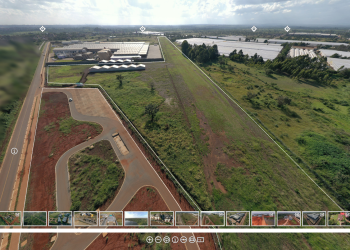
Tanzania is setting a new benchmark in regional and international air travel with the construction of the Msalato International Airport in its capital city, Dodoma. This state-of-the-art airport, with a budget of US$ 329.47 million, is expected to elevate Tanzania’s standing as a key player in East Africa’s aviation and transport sectors. Set to be one of the largest airports in the region, Msalato will serve as a critical gateway for both domestic and international flights, contributing significantly to the nation’s economic development and tourism industry.
A Major Investment in Tanzania’s Future
The development of Msalato International Airport represents a strategic investment in Tanzania’s infrastructure, helping to expand its aviation capabilities and improve connectivity within East Africa and beyond. The project is designed to support the growing demand for air travel in the region while promoting Dodoma as a central hub for business, tourism, and trade.
At an investment of US$ 329.47 million, the airport will not only cater to the current aviation needs but also provide the capacity for future expansion. This project is aligned with Tanzania’s long-term vision to modernize its infrastructure and attract international investment.
Key Features and Facilities of Msalato International Airport
Once completed, Msalato International Airport will feature a range of advanced facilities designed to accommodate high volumes of air traffic and provide a seamless travel experience. Key highlights include:
- Runway and Aircraft Movement Capacity:
The airport is designed to handle over 50,000 aircraft movements annually. With its modern infrastructure, it will support large international flights and domestic routes, providing a strategic advantage to both passengers and cargo services. - Passenger Terminals and Amenities:
The terminal will be equipped with world-class amenities, ensuring comfort and efficiency for both travelers and staff. Facilities such as duty-free shops, restaurants, lounges, and VIP areas will enhance the overall passenger experience. - Cargo Handling Capabilities:
Msalato International Airport will include dedicated cargo terminals, allowing for the efficient movement of goods across East Africa. This will support the region’s growing trade needs and foster economic growth by improving logistics and distribution channels. - Advanced Security Systems:
The airport will feature state-of-the-art security measures, including biometric screening, surveillance systems, and advanced baggage scanning technologies to ensure the safety of all passengers and staff. - Environmental Sustainability:
In line with global sustainability trends, the airport is being built with eco-friendly practices, aiming to minimize environmental impact through energy-efficient designs and sustainable construction methods.
Economic and Social Impact on Tanzania
The Msalato International Airport is poised to bring far-reaching benefits to Tanzania. As one of the largest infrastructure projects in East Africa, its impact extends beyond aviation and travel. Some of the key benefits include:
- Job Creation and Skill Development:
During its construction and once operational, the airport will create thousands of jobs, both directly and indirectly. Skilled labor in aviation, logistics, and construction will be in high demand, providing opportunities for local workers and training initiatives. - Boost to Tourism:
The airport will make Tanzania more accessible to international tourists, encouraging visits to the country’s renowned wildlife reserves, national parks, and coastal areas. This is expected to significantly increase the tourism revenue, which is a crucial sector for Tanzania’s economy. - Trade and Business Opportunities:
As a transportation hub, Msalato International Airport will open up new trade routes, making Tanzania an even more attractive destination for international investors and businesses. The airport’s advanced cargo capabilities will also streamline the export and import of goods, enhancing the country’s competitiveness in the global market. - Regional Connectivity:
Msalato will improve connectivity between East Africa and the rest of the world, facilitating easier travel between Tanzania and key international markets. This will strengthen regional ties and increase access to business opportunities across Africa and beyond.
Project Timeline and Completion
Construction of Msalato International Airport is projected to be completed within four years, making it one of the most ambitious infrastructure projects in the country. The timeline reflects the scale of the airport and the level of detail required to meet international aviation standards. The completion of the airport will not only place Dodoma at the center of Tanzania’s transportation network but will also help boost the city’s development as a modern capital.
Why Msalato International Airport Is a Game-Changer for East Africa
Msalato International Airport will play a vital role in positioning Tanzania as a regional aviation leader. With its advanced facilities, strong capacity for growth, and strategic location, it will become a key hub in East Africa, attracting tourists, businesses, and trade from around the world.
As one of the largest airports in East Africa, Msalato will complement existing airports like Dar es Salaam’s Julius Nyerere International Airport and Kilimanjaro International Airport, further establishing Tanzania as a key transportation gateway in the region. The airport will contribute significantly to East Africa’s aviation infrastructure, helping to meet the growing demand for air travel within the continent.
Conclusion
The development of Msalato International Airport is a milestone in Tanzania’s ongoing efforts to modernize its infrastructure and position itself as a leading economic and tourism destination in East Africa. With its impressive capacity, advanced amenities, and far-reaching economic impact, Msalato will undoubtedly become a vital asset to Tanzania and the broader East African region.