Microfinance Institutions in Kakamega have become essential engines for grassroots economic development. By extending credit and savings solutions to individuals and businesses traditionally excluded from mainstream banking, these institutions help fuel entrepreneurship, create jobs, and lift families out of poverty. Here’s what you need to know about the major players and how they are transforming the county’s financial landscape.
1. Kakamega County Microfinance Corporation (KCMC)
Launched by the county government, KCMC focuses on supporting small businesses, farmers, youth, and women with affordable microloans and financial education. The agency operates through decentralized service centers in various sub-counties, aiming to increase financial inclusion in both rural and urban areas of Kakamega.
2. SMEP Microfinance Bank – Kakamega Branch
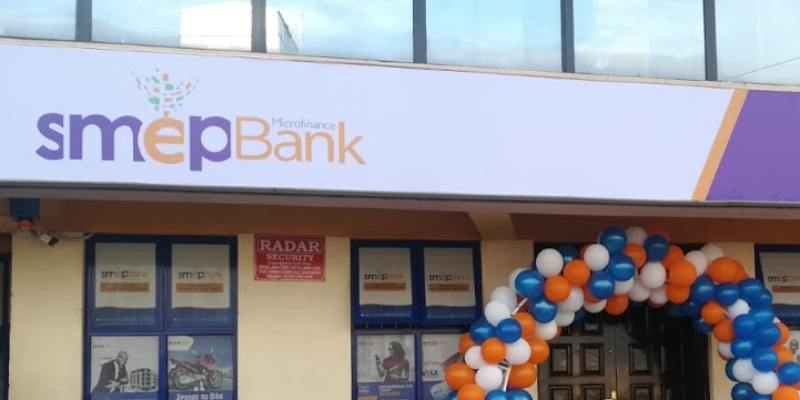
SMEP is a regulated microfinance bank that offers a variety of personal and business loan products. In Kakamega, it serves small and medium enterprises with credit lines, savings plans, and financial advisory services. Their solutions are designed to help traders grow stable businesses and manage capital more effectively.
3. Rafode Microfinance
Rafode is a non-deposit-taking microfinance institution offering group and individual loans to small-scale traders and farmers. Operating in Kakamega and several western counties, Rafode supports clients with financial literacy training to promote responsible borrowing and sustainable business growth.
4. Kenya Women Microfinance Bank (KWFT)
KWFT plays a significant role in financially empowering women in Kakamega. It offers customized loan products for agriculture, education, business expansion, and housing. The institution also encourages disciplined saving and reinvestment, especially among rural women and smallholder farmers.
5. One Acre Fund
Headquartered in Kakamega, One Acre Fund is a nonprofit social enterprise that supports smallholder farmers. It provides asset-based financing—mainly in the form of farm inputs—and technical training to boost agricultural productivity. Its model has improved food security and household income for thousands of rural families.
Conclusion
Microfinance institutions in Kakamega bridge the financial gap for communities that lack access to formal banking. Whether it’s through loans to market vendors, training for farmers, or capital for youth-led enterprises, these institutions are vital to sustainable development and poverty reduction in the county. Understanding their role and services equips residents and investors to better leverage financial tools for long-term growth.
References
- Kakamega County Government: https://kakamega.go.ke
- SMEP Microfinance Bank: https://www.smep.co.ke
- Rafode Microfinance: https://www.rafode.co.ke
- Kenya Women Microfinance Bank: https://www.kwftbank.com
- One Acre Fund: https://oneacrefund.org